If you're shopping for the best under sink water filter for well water, you're probably already annoyed by something at the tap. Maybe the water smells faintly like rotten eggs in the morning. Maybe tea tastes metallic. Maybe the sink develops orange or brown stains no amount of scrubbing seems to fix. Those aren't cosmetic quirks. They usually mean your water needs a system built for well conditions, not a generic city-water filter with better marketing than staying power.
Most under-sink filter roundups miss the part that matters most to well owners. A strong drinking water filter is only half the job. The other half is protecting that filter from the sediment, iron, manganese, and microbial problems that make well water harder on cartridges, membranes, and UV chambers. I’ve seen plenty of homeowners buy an expensive under-sink unit, install it directly on untreated well water, and then wonder why flow drops, taste gets weird again, or replacement costs start stacking up faster than expected.
A good setup for well water usually isn't a single box. It's a complete system. Test the water first. Match the filtration technology to the actual contaminants. Add the right pre-filter so the under-sink unit can do its job. Then price the system based on what well water does to filters over time, not what a product page promises under ideal conditions.
Here’s the side-by-side view before we dig in.
| Filtration approach | Best for | Main strength | Main weakness | Typical complete-system note |
|---|---|---|---|---|
| Carbon block under-sink | Taste, odor, some metals, general polishing | Good usability, no wastewater, usually simpler install | Won't solve every dissolved contaminant issue and isn't a bacteria treatment | Needs sediment protection on most wells |
| Reverse osmosis under-sink | Dissolved contaminants, broad reduction goals | Strong all-around contaminant reduction potential | Sensitive to sediment and iron, creates wastewater, slower by design | Usually needs pre-filtration before the RO unit |
| UV paired with filtration | Microbial risk after proper pre-treatment | Targets bacteria risk without changing taste much | Doesn't work well if water is cloudy or full of particles | Must be paired with sediment control and usually another filter stage |
| Complete staged system | Most well-water homes with mixed issues | Protects filter life and improves consistency | More parts to maintain and more planning up front | Best fit when the water report shows multiple problems |
That 'Well Water Smell' Is a Warning Sign
A lot of well water problems start small. You fill a glass and notice a dull metallic finish. The guest bathroom toilet tank stains faster than it should. White laundry starts looking tired. Then the kitchen faucet begins to sputter a little, and suddenly that cheap filter choice from a year ago doesn’t look so cheap anymore.
Private well owners live with a different reality than city-water households. Municipal water is treated and regulated before it reaches the home. Well water isn't. That means your water can carry a shifting mix of sediment, iron, manganese, sulfur compounds, hardness minerals, nitrates, and microorganisms, depending on your geology, recent weather, the condition of the well, and how the plumbing system is set up.
Practical rule: If your water leaves stains, smells off, or changes with the season, treat that as a filtration design problem, not just a nuisance.
The mistake I see most often is buying an under-sink system for the symptom instead of the cause. A homeowner wants better-tasting water, so they install a sleek kitchen filter. But if the actual issue is oxidized iron and grit grinding through cartridges, or bacteria risk that a basic carbon block can't address, the “fix” becomes a short-term patch.
That’s why the best under sink water filter for well water is rarely just the unit under the sink. It’s the combination that works with your well instead of against it. Sometimes that means a carbon block system protected by a sediment stage. Sometimes it means reverse osmosis with a dedicated pre-filter. Sometimes it means you shouldn’t start under the sink at all until the incoming water is stabilized.
Homeowners who get this right usually stop chasing symptoms. Their filter lasts longer. Flow stays consistent. The water tastes better because the system is finally dealing with the actual problem.
Test Before You Invest in Any Water Filter
A homeowner sees brown staining in the sink, notices a sulfur smell on some mornings, and buys an under-sink filter to fix the drinking water. Six weeks later, flow drops, the cartridges are coated with rust-colored sludge, and the odor is still there. I’ve seen that sequence many times on private wells. The filter was not the first problem. It was the last piece in a system that had not been diagnosed.

A quick strip test can help you spot a broad issue, but it is not enough to choose equipment with confidence. Well water needs a lab report or a reliable local water analysis that shows what is entering the house. Homeowners who want help reading those results can use Water Filter Advisor's advice library as a starting point before they compare systems.
What to test for first
Start with the contaminants that shorten filter life or point to the wrong treatment method.
- Sediment and turbidity. Sand, silt, and fine particulate plug cartridges early and can foul RO components fast.
- Iron and manganese. These cause staining, metallic taste, dark residue, and heavy loading on any under-sink filter.
- Hardness minerals. Scale can reduce performance and increase maintenance.
- Nitrates. Many homeowners assume any drinking water filter will reduce them. That is a costly assumption.
- Microbial contamination. Coliform or other bacteria concerns change the equipment plan immediately.
Those results do more than identify contaminants. They tell you whether an under-sink unit can handle final polishing, or whether the water needs treatment upstream first.
Why the report matters more than the product page
Product pages are written to sell broad compatibility. Well water rarely behaves that way. A carbon filter that performs well on taste and odor can clog quickly if the actual issue is sediment and oxidized iron. A system that improves flavor may do very little for nitrates. A good-looking under-sink unit also does not solve a bacteria problem by itself.
That is why I recommend buying in this order. Test first. Then decide on pre-filtration. Then choose the under-sink unit that fits the treated water reaching the kitchen. That sequence usually saves money because it prevents premature cartridge changes and protects the more expensive components.
This is also where long-term cost starts to become clear. A filter rated for a certain lifespan on cleaner water may reach that limit much sooner on a well with grit, iron, or seasonal swings. The box does not tell you how fast your cartridges will load up if the incoming water is unstable. Your test report gives you the best clue.
Lab test first, video second
Many homeowners want to know what a proper water testing process looks like before paying for one. This walkthrough is a helpful primer.
A simple testing checklist
Use this before you buy anything:
- Pull a current sample. Do not rely on an old inspection report or a neighbor’s water test.
- Request a well-focused panel. Include sediment indicators, iron, manganese, hardness, nitrates, and bacteria.
- Note what you see and smell. Staining, rotten egg odor, cloudiness, and seasonal changes help explain the lab numbers.
- Shop with the report in hand. Choose equipment that answers the actual findings, not generic claims.
If the lab report and the marketing copy disagree, trust the lab report.
Comparing Under Sink Filtration Technologies for Wells
A clear lab report usually narrows the field fast. For well water under the sink, choices are carbon block, reverse osmosis, and UV paired with filtration. Each solves a different problem. The expensive mistake is expecting one cartridge or one compact unit to handle every well issue by itself.
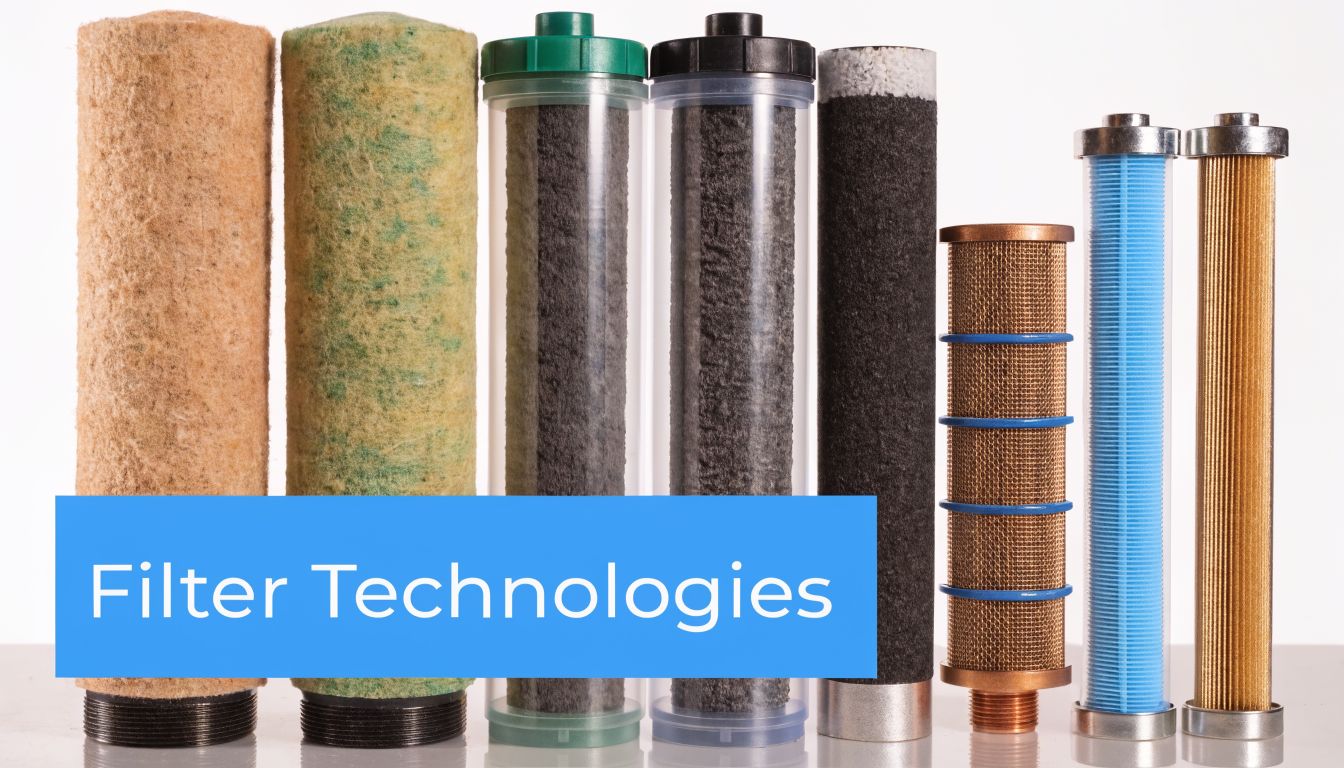
On city water, an under-sink filter often works as a standalone upgrade. On a well, it usually works best as the last stage in a treatment chain. That difference matters because iron, sediment, sulfur odor, and bacteria can overwhelm the wrong technology long before the rated filter life on the box.
Carbon block systems
Carbon block systems are often the easiest to live with. They keep normal faucet flow, do not waste water, and usually need less maintenance than RO. They also do a good job improving taste and odor and reducing many chemical contaminants, which makes them a strong finishing filter after the water has already been cleaned up upstream.
For well owners, that last part is the key trade-off. Carbon can polish water very well, but it does not like heavy sediment, iron loading, or active bacterial problems. If raw well water hits the carbon first, pressure drops early, cartridges foul faster, and replacement costs climb.
I install carbon block systems most often on wells that already have the big problems handled. That includes sediment control at minimum, and often separate treatment for iron or sulfur if those are present.
Carbon block works best on well water that is already reasonably clean by the time it reaches the kitchen sink.
Reverse osmosis systems
Reverse osmosis is the strongest under-sink option for dissolved contaminants. If the report shows nitrates, arsenic, sodium, fluoride, or a broad mix of dissolved solids, RO usually gives the homeowner the best chance of getting the drinking water where it needs to be.
It also has the most conditions attached to it. RO membranes are fine filters. Fine filters clog. On well water, that means shortened membrane life if sediment or iron gets through, more frequent prefilter changes, slower production, and wastewater that some homeowners do not expect until after installation. The water quality can be excellent. The operating cost can also be higher than online roundups suggest, especially on a well with seasonal swings.
For many wells, RO is the right drinking water core, but only if the incoming water has already been stabilized enough that the membrane is not doing everyone else’s job.
UV systems
UV belongs in the conversation any time the well has a bacteria history, a shallow casing, flooding risk, or a test result that points to microbial contamination. It treats a problem carbon and RO are not designed to solve on their own.
UV also has strict limits. It does not remove iron, manganese, sediment, hardness, or sulfur odor. It does not improve taste by itself. It needs clear water to work properly because suspended particles can shield microbes from the light. In practice, UV is an add-on disinfection stage, not a substitute for filtration.
Which technology fits which well problem
| Technology | Good fit for | Weak fit for | Best use on well water |
|---|---|---|---|
| Carbon block | Taste, odor, many chemical reduction goals | Heavy sediment, iron, bacteria concerns | Final polishing stage after upstream treatment |
| RO | Dissolved contaminants such as nitrates, arsenic, and high TDS | Untreated well water with grit or iron fouling risk | Drinking water filter after feed water is cleaned up |
| UV | Bacteria control on clarified water | Sediment, metals, odor, taste by itself | Final disinfection step in a complete system |
Mixed results are common on private wells. A water test might show sediment, iron staining, and bacteria risk all at once. In that case, the right answer is a matched system, not brand loyalty to one under-sink unit. That approach costs more upfront in some homes, but it usually costs less over time because the expensive filters last closer to their intended service life.
The Critical Pre-Filter Your Well Water Demands
A homeowner buys a premium under-sink system, installs it on a Friday night, and likes the taste right away. A few weeks later, flow slows down, cartridges look filthy, and the replacement schedule suddenly gets expensive. On well water, that pattern usually points to a setup problem, not a bad brand.
Why under-sink units burn through filters on well water
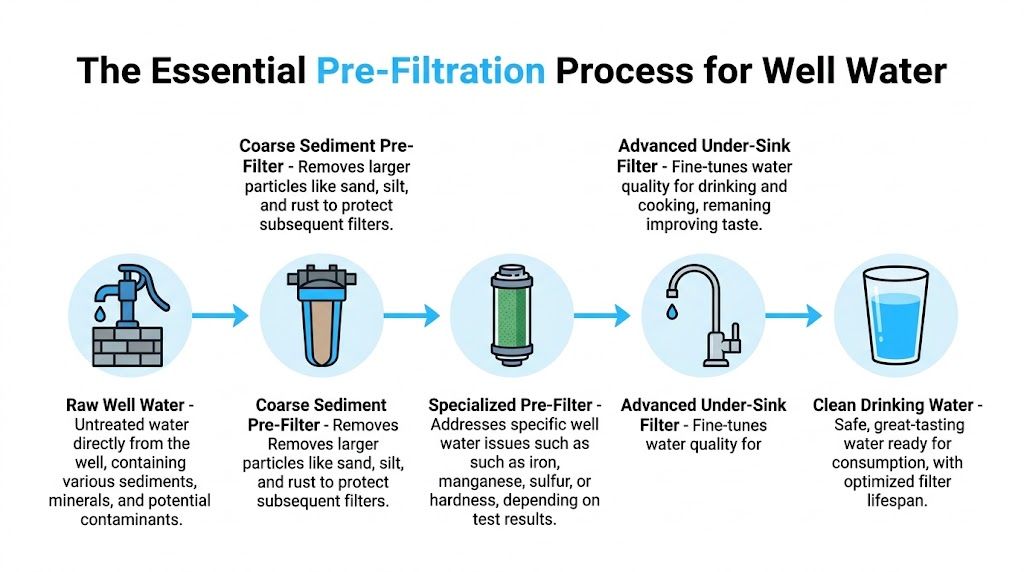
Under-sink filters are finishing filters. They are built to polish water that has already had the rough work handled upstream.
Well water often arrives with sand, silt, iron particles, oxidized manganese, or fine debris stirred up by pump cycling. Feed that directly into a carbon block or RO system and the expensive stage becomes the first dirt catcher in the line. Flow drops faster. Pressure falls off. RO membranes foul sooner. Carbon cartridges load up long before their rated life.
I see this mistake all the time in homes with light staining or occasional cloudy water. The owner assumes the under-sink unit will "handle it." It will, for a while. Then the eventual cost shows up in short cartridge life and inconsistent performance.
Under-sink filters last longer on wells when they polish water instead of trying to clean raw well water by themselves.
What the pre-filter needs to do
A proper pre-filter protects the expensive equipment and gives the under-sink unit a cleaner, steadier feed. For many wells, that starts with sediment control. The exact micron rating depends on how dirty the water is and how much pressure loss the home can tolerate, but the job is the same. Catch the grit before it reaches the finer stages.
Some wells need more than a sediment cartridge.
If testing or clear symptoms point to iron, manganese, sulfur odor, or hardness, add treatment for that problem before the under-sink filter. At this point, many homeowners overspend. They keep replacing specialty under-sink cartridges that were never meant to carry iron or sulfur treatment on their own.
A complete setup works better and usually costs less over time
The most reliable approach is a staged system:
- Sediment pre-filtration first for sand, silt, rust, and other particles.
- Problem-specific treatment next if the well has iron, manganese, sulfur, or hardness.
- Under-sink filtration last for drinking water taste, odor, and any targeted reduction the water report calls for.
That order matters. It protects flow rate, reduces fouling, and helps the final cartridges reach something close to their expected service life.
How to match the pre-filter to the problem
Use your water test and what you see in the house.
- Visible grit or cloudy water: Start with sediment pre-filtration before any under-sink unit.
- Orange, brown, or black staining: Plan for iron or manganese treatment upstream. A kitchen filter alone is usually the wrong tool.
- Rotten egg smell: Address sulfur before the water reaches the under-sink system.
- Scale and soap issues: Hardness may need treatment before fine filtration if you want better filter life.
- Mixed well problems: Build the system in stages instead of asking one under-sink product to solve everything.
A sleek tankless unit under the sink can still be part of a good well-water setup. It just should not be the whole setup. On private wells, the best results usually come from pairing the under-sink filter with the right pre-treatment so you are paying for clean drinking water, not constant replacements.
Top Filtration Approaches and Recommended Systems
The best under sink water filter for well water depends on what your report shows and what kind of maintenance you're willing to live with. I don't like generic top-five lists for wells because they blur together very different problems. A better method is to choose an approach, then pick a system type that fits.
Here’s the quick comparison.
| Filtration Approach | Best For | Key Weakness | Estimated 3-Year Cost |
|---|---|---|---|
| Sediment pre-filter + multi-stage carbon under-sink | Wells with sediment, taste issues, staining concerns, and no major nitrate or microbial issue | May not solve dissolved contaminant problems that call for RO | Varies by filter change frequency and pre-treatment needs |
| Sediment pre-filter + under-sink RO | Wells with broad dissolved contaminant concerns | Membranes can suffer if iron and sediment control is weak | Usually higher because of filter replacements, water waste, and add-ons |
| Sediment pre-filter + specialized treatment + under-sink carbon | Wells with iron, manganese, sulfur, or hardness patterns plus taste/odor complaints | More components to size and maintain | Can be efficient long term if pre-treatment prevents premature cartridge loss |
| Clarification + UV + under-sink finishing filter | Wells with microbial risk and drinking-water polishing needs | UV alone won't fix particles, metals, or taste issues upstream | Depends on lamp service, pre-filtration, and finishing filter schedule |
Approach for sediment, staining, and everyday drinking water improvement
If your water report points to sediment, iron-related nuisance issues, or general taste problems, but not a major dissolved-contaminant or bacterial challenge, I usually prefer a sediment pre-filter plus a high-performance multi-stage carbon system under the sink.
For such applications, systems like Clearly Filtered make sense. The available lab data shows strong performance on uranium, chloroform, copper, barium, and strontium in treated well-water testing, and the flow rate remains practical for kitchen use. That kind of filter works best when it isn't being fed raw grit and oxidized debris all day.
A setup like this tends to fit homeowners who want:
- Better taste and cooking water
- No RO wastewater
- A simpler faucet experience
- Less concern about stripping minerals
The catch is that this approach isn't the answer if nitrates or microbes are the true problem. A polished glass of water can still be the wrong glass of water if the technology doesn’t match the report.
Approach for nitrates, arsenic concerns, and broad dissolved contaminant reduction
If the lab report points toward dissolved contaminants that call for stronger reduction, an under-sink RO paired with sediment pre-filtration is often the safer bet. Models frequently recommended in this lane include systems like Waterdrop G3P800, Cloud RO, and Aquasana SmartFlow.
I treat these as high-performance tools with strict feed-water expectations. They can be excellent if pre-filtration is done properly. They can also become maintenance magnets when homeowners skip that step and let dirty well water hit the membrane directly.
This approach usually makes sense when:
- You need broader dissolved-contaminant reduction than carbon alone can provide.
- You accept slower production and some wastewater.
- You have room for maintenance and possible add-ons like remineralization.
If you're drawn to RO because it feels like the strongest option, make sure the pre-filtering is just as strong. Otherwise the membrane becomes an expensive sediment catcher.
Approach for iron, manganese, sulfur, or hardness patterns
Some wells are less about one dangerous contaminant and more about ugly, stubborn chemistry. Orange staining, black residue, sulfur odor, recurring scale, and filter cartridges that slime up early usually point to this category.
In those homes, the under-sink unit should be the last piece of the plan, not the first. The better approach is:
- a sediment stage,
- a specialized treatment stage chosen from the report,
- then an under-sink carbon or RO unit for drinking water.
A system like Aquasana Claryum can make sense as the final under-sink stage in a broader setup because non-RO carbon filtration preserves minerals and avoids wastewater. But I wouldn't ask it to solve a raw iron problem alone. That’s where well owners waste money.
Approach for bacteria risk
If the report shows microbial concern, the system design changes again. You need a treatment train that includes clarification before disinfection, and many homeowners end up pairing filtration with UV.
A practical sequence is:
- particle reduction,
- any needed well-specific pre-treatment,
- UV or another appropriate microbial barrier,
- under-sink finishing filter for taste and use at the kitchen tap.
This kind of setup takes more planning, but it avoids the false confidence that comes from installing a nice under-sink cartridge while leaving the microbial issue unresolved.
What I’d choose by homeowner type
| Homeowner situation | Best fit |
|---|---|
| You want strong drinking-water improvement and your report doesn't point to major nitrate or bacteria issues | Sediment pre-filter + multi-stage carbon under-sink |
| Your report shows dissolved contaminants that need broader reduction | Sediment pre-filter + under-sink RO |
| Your well causes staining, odor, or rapid cartridge fouling | Staged pre-treatment + under-sink finishing filter |
| You have confirmed microbial risk | Clarification + UV + final under-sink filter |
The winning setup is the one you'll still be happy maintaining a year from now. Well water rewards realistic design, not heroic expectations.
Calculating the True Lifetime Cost for Well Water Filters
A $300 under-sink filter can turn into a high-maintenance system fast if the well water feeding it is full of sediment, iron, or hardness. I see that mistake all the time. The unit itself is not always the expensive part. Keeping it working on well water is.
What the sticker price misses
Retail price tells you what the box costs on day one. It does not tell you what your water will do to that system over the next few years.
On a clean municipal supply, a manufacturer’s replacement schedule may be close to reality. On a private well, that schedule often breaks down. Sediment loads cartridges faster. Iron can blind carbon blocks and foul RO components. Hard water leaves scale where flow paths are narrowest, which is why some homeowners blame the filter when the actual problem is the untreated feed water ahead of it.
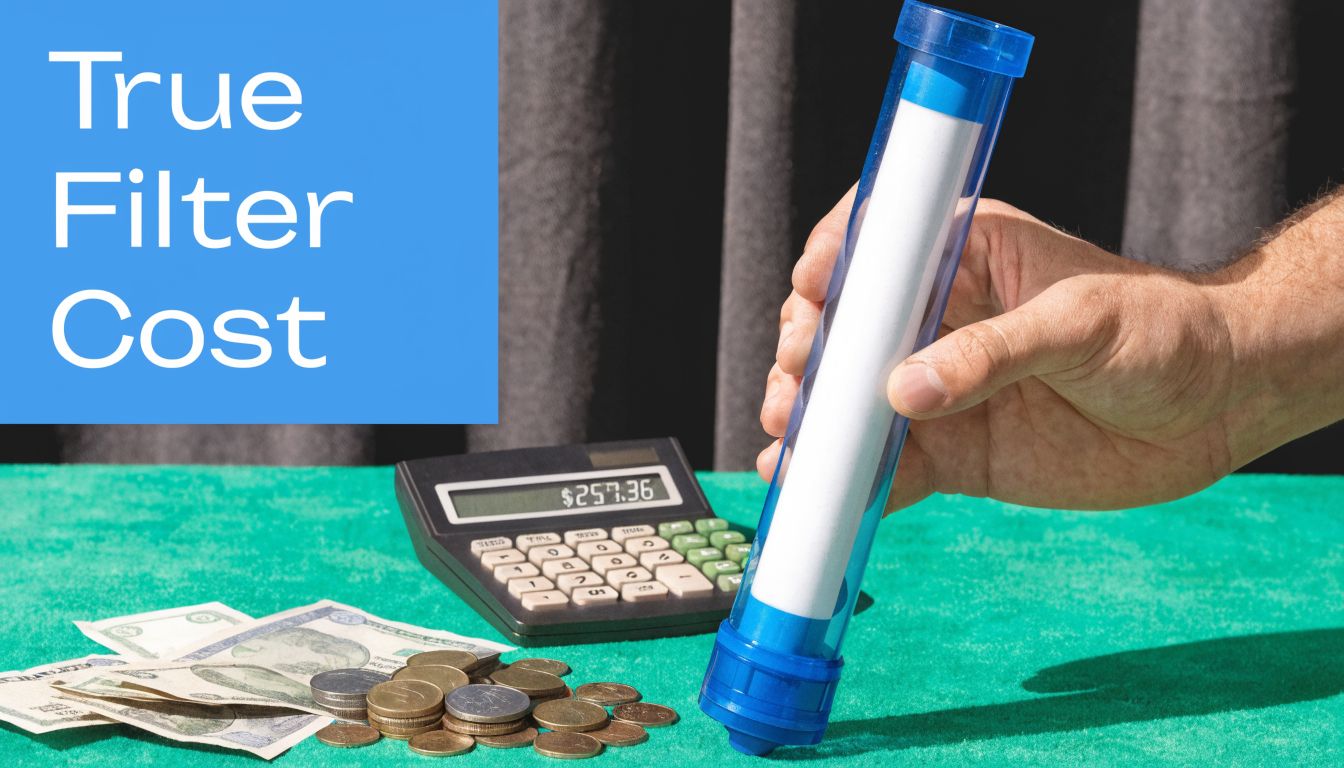
That is why I price well-water systems as a package, not a single product. The under-sink unit, the pre-filter stage, replacement cartridges, occasional sanitizing, and any parts that wear early all belong in the same budget.
Build a cost worksheet before you buy
Use a simple formula:
Three-year cost = system price + replacement filters + pre-filter replacements + service items + operating costs
For well water, the pre-filter line matters more than buyers expect. Adding a sediment stage or a better upstream treatment step raises the upfront spend, but it often saves money by protecting the expensive filters under the sink.
Operating costs depend on the technology:
- RO systems can bring wastewater, slower production, and more frequent service if feed water is rough
- Carbon systems usually cost less to run, but cartridge life can drop sharply if sediment or iron is not handled first
- Specialty add-ons such as remineralization cartridges, UV lamps, or pumps add recurring cost and maintenance time
A cheaper unit with no protection in front of it can cost more than a better-designed system by the end of year two.
How I estimate cost in real well-water homes
Start with the water report, then look at the full treatment train. If the under-sink filter is being asked to catch everything, the ownership cost is usually headed the wrong way.
Ask these questions:
- What reaches the kitchen filter after pre-treatment? Price the final water entering the unit, not the raw well water at the pressure tank.
- Which cartridge or membrane is the most expensive part to replace? That part usually sets the long-term budget.
- How easy is the system to service? Filters that are awkward to reach or proprietary to one brand tend to cost more over time.
- Will low flow trigger early troubleshooting or part swaps? That labor and frustration have a cost, even if you do the work yourself.
- Are replacement filters sold everywhere, or only through the manufacturer? Limited availability often means higher prices later.
One rule holds up well in the field. Protect expensive filtration with cheaper upstream filtration whenever the water justifies it.
Well water punishes undersized systems and rewards good staging.
Homeowners save the most money when they stop shopping for a single magic filter and start building a complete system. That usually means a modest pre-filter investment up front, fewer surprise replacements, and a kitchen filter that performs closer to its rated life.
Your Final Well Water Filter Decision Checklist
Before you buy, run through this list once. It catches most expensive mistakes.
Water quality match
- Match the filter to the report. If the lab results point to nitrates, bacteria, or heavy sediment, the system should answer those issues directly.
- Don't buy for taste alone. Better taste is nice. It isn’t the same as solving the main contaminant problem.
Performance and daily use
- Check the flow you can live with. A high-performance system that annoys everyone at the sink often becomes a regret purchase.
- Think about how the filter behaves on well water. Capacity claims are often cleaner and kinder on product pages than in well-water homes.
Certifications and proof
- Look for relevant certifications. If a system claims reduction for specific contaminants, verify that the certification or test evidence matches the claim.
- Separate lab data from marketing language. The details matter, especially on wells.
Installation reality
- Measure the under-sink space. Tankless systems save space, but the plumbing path and service access still matter.
- Plan the pre-filter location. The under-sink unit may be the final stage, not the first stage.
Maintenance honesty
- Decide how much upkeep you're willing to do. A technically excellent system is still the wrong choice if you won't keep up with service.
- Budget for well-water wear. If your water is hard on filters, assume more maintenance, not less.
A good purchase decision usually feels a little less exciting and a lot more solid. That’s the right instinct for well water.
Frequently Asked Questions About Well Water Filters
Can I use a standard pitcher filter on well water
You can, but I wouldn't rely on it as your primary solution. Pitcher filters are fine for minor taste improvement when the water is already fairly clean. They are not built to handle the sediment, iron loading, microbial concerns, or broad contaminant range that many wells bring with them.
Do I need a water softener with an under-sink filter
Sometimes yes, often no. It depends on whether hardness is just a nuisance or part of a larger pattern of scale, staining, and appliance trouble. An under-sink filter helps at the kitchen tap. A softener or other conditioning equipment addresses whole-home hardness behavior. They solve different problems.
Will a UV filter work if my water is cloudy
Not reliably. UV needs water that has already been clarified enough for the light to do its job. If the water carries sediment or visible cloudiness, fix that first with proper pre-filtration. UV should be part of a treatment train, not a shortcut around one.
How do I know when to change cartridges if my schedule keeps drifting
On well water, I tell homeowners to watch performance, not just the calendar. A drop in flow, return of odor, renewed metallic taste, or more visible staining usually means the system is loading up. Keep written dates anyway, but don't assume the printed replacement interval will match your well.
Is reverse osmosis always the best under sink water filter for well water
No. RO is excellent for some dissolved contaminant problems, but it isn't automatically the best choice for every well. If your main challenge is sediment, iron, or sulfur, RO without proper pre-treatment can become a maintenance headache. In some homes, a staged system with sediment protection and a strong carbon block under the sink is the smarter long-term fit.
Can one under-sink system fix all my well-water issues
Usually not by itself. If your well has mixed issues, and many do, the best answer is a staged design. The under-sink unit handles the final drinking-water job. Upstream filtration protects it and handles the rougher work.
If you want help sorting through test results, comparing filter types, or figuring out what a complete well-water setup should look like for your home, Water Filter Advisor is a practical place to start. It’s built for homeowners who want clear, research-driven guidance without the usual confusion around certifications, maintenance, and long-term filter costs.
- April 18, 2026
- Uncategorized
