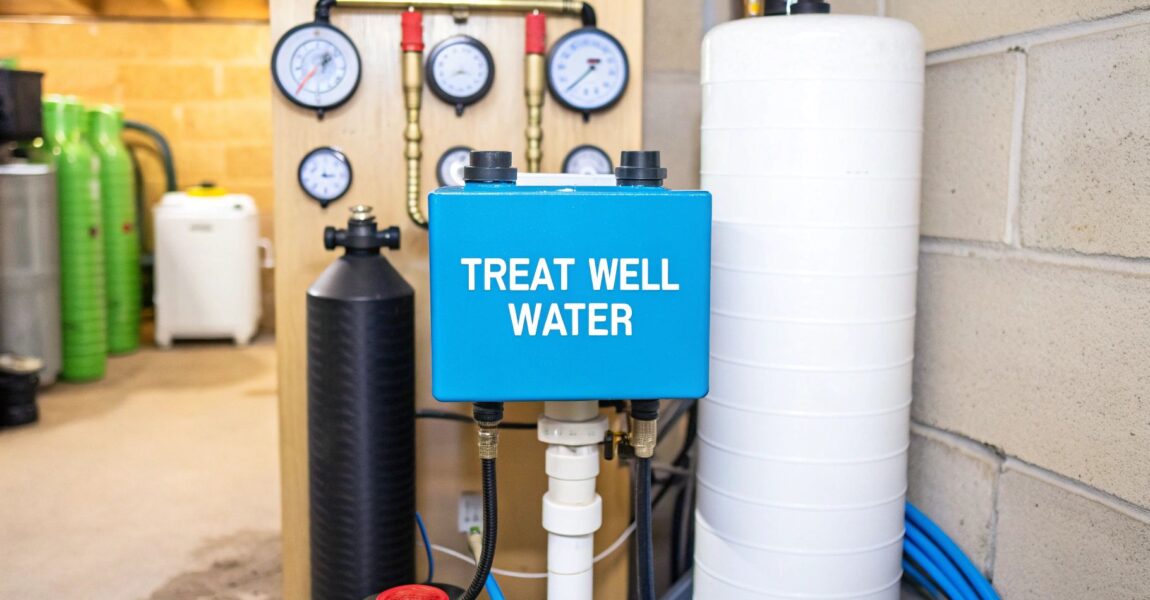
So, you get your water from a well. Welcome to the club! You've got your own private water source, free from city chemicals. The catch? You're also the head of your own personal water treatment plant. Treating well water isn't a one-size-fits-all gig. It’s a quest that starts with figuring out what's hiding in your H₂O and then choosing the right gadgets to vanquish those unwanted guests. This usually means assembling a team of filtration superheroes—like sediment pre-filters, iron-zapping oxidizers, hard water-busting softeners, and bacteria-slaying UV purifiers—to bring your water to a state of pristine perfection.
Step One: Become a Water Detective
Before you dream of filtration systems, you must first play detective. Buying a filter without knowing what you're fighting is like showing up to a jousting tournament with a pool noodle. You might get lucky, but you'll probably waste a ton of time and money.
The single most important mission you can undertake is to get your water professionally tested by a certified, independent lab.
Seriously. Don't fall for the "free" water test offered by a company itching to sell you their equipment. It's a tempting shortcut, I know. But those tests are often a magic trick, designed to find the one or two problems their specific products solve, like hardness. They can completely miss more sinister—and invisible—villains lurking in your pipes. An independent lab gives you the full, unbiased dossier on your water.
Decoding Your Water's Secret Profile
Your well is a direct straw into an underground aquifer, and whatever's down there is having a party in your kitchen sink. While the list of potential troublemakers is long, a few usual suspects crash the party over and over again.
Here’s a quick rundown of the common culprits and their telltale calling cards:
Common Well Water Contaminants and Their Telltale Signs
This table can help you spot potential problems just by paying attention to the drama unfolding in your home.
| Contaminant | Common Sign or Symptom | Potential Risk or Nuisance |
|---|---|---|
| Bacteria & Viruses | Often invisible, but can cause stomach bugs. | The microscopic bad guys (e.g., E. coli). |
| Nitrates | Colorless, odorless, tasteless. | A silent risk, especially for infants. |
| Iron & Manganese | Reddish-brown or black "artwork" on fixtures. | Nuisance; causes metallic taste and laundry stains. |
| Hydrogen Sulfide | That unforgettable "rotten egg" perfume. | Mostly a nuisance, but makes water undrinkable. |
| Hardness | Soap strikes, scaly buildup on everything. | Damages pipes and appliances; causes dry skin. |
This isn't an exhaustive list, but it covers the issues we see most often. Your lab report will give you the hard data, confirming who the villain is and how strong they are.
Your lab report is your battle plan. It transforms invisible threats and annoying symptoms into a clear, actionable strategy. Don't skip this step—it’s the foundation for every heroic decision you'll make.
Why Guesswork Is a Terrible Strategy
The reality for millions of homeowners is that their well water could be loaded with contaminants that pose a real risk to their family's health. It's a massive global issue. According to the World Bank, as of 2022, a staggering 2.2 billion people didn't have access to safely managed drinking water. Well users in rural areas are often on the front lines, dealing with untreated groundwater.
In severe cases, biological pollutants can make water completely unsafe, creating a situation that requires a response similar to a sewage damage cleanup. This is exactly why testing is so critical.
When you get your results back, the lab report will list each contaminant and its concentration, usually in parts per million (ppm) or milligrams per liter (mg/L). You’ll compare these numbers against the EPA’s recommended limits. For more in-depth help with water quality issues, check out our full library of advice on water filtration topics. This initial analysis is the key to choosing the right filtration tools for the job.
Matching Your Water Test Results to the Right Solution
So, your water test results are in. Staring at that page of chemical names and numbers can feel like you're trying to read an alien language, but that report is your treasure map. It's the key to building a filtration system that actually slays your specific water dragons.
Think of it like assembling the Avengers. Each piece of equipment is a hero with a very specific superpower. You wouldn't send a water softener to fight bacteria, just like you wouldn't send Thor to do your taxes. Let's translate those lab results into a real, actionable plan.
The whole process boils down to three simple stages: spot the signs of a problem, get the water tested to confirm what's going on, and then install the right gear to fix it. This flowchart gives you a great visual breakdown of that journey.
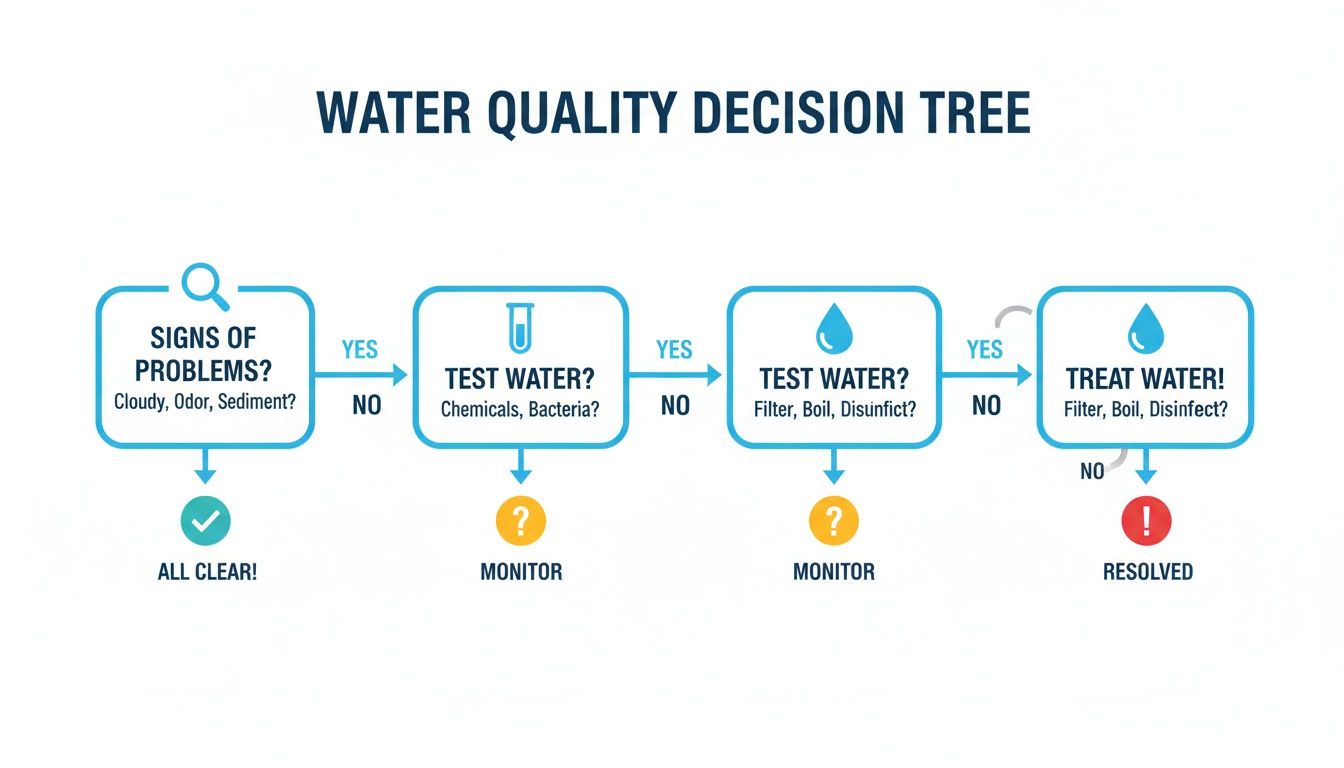
As you can see, it all starts with observation, gets confirmed by data, and is solved with the right technology. You just can't skip the testing and expect good results.
Your First Line of Defense: The Sediment Filter
No matter what else your report says, nearly every well system I've ever seen benefits from a sediment pre-filter. This is the unsung hero, the hardworking bouncer at the door of your entire setup.
Its job is simple: catch the physical riff-raff—dirt, sand, rust, and silt—before it can barge in and mess up your more expensive, more sensitive equipment. If you skip this, everything else will clog up and fail sooner. A sediment filter protects your investment and even helps other filters, like UV purifiers, do their job more effectively.
Tackling Iron and That Rotten Egg Smell
Did your report show iron levels climbing above 0.3 ppm? That one number is the reason you're seeing those ugly reddish-brown stains in your sinks and toilets. You might also see manganese (which leaves blackish stains) or hydrogen sulfide—the culprit behind that unmistakable "rotten egg" smell.
For this, you need an oxidizing iron filter. This unit is a beast. It uses a special media, like greensand, to force dissolved iron, manganese, and sulfur to become solid particles that can be easily trapped and flushed away. It’s an absolute game-changer for getting rid of metallic tastes and nasty odors for good.
Don't just mask the smell or scrub the stains—evict the source. An oxidizing filter is the definitive solution for iron and sulfur issues, restoring your water's taste, smell, and appearance.
The Non-Negotiable Tool for Hard Water
If your test results came back with high levels of calcium and magnesium, congratulations—you have hard water. While it's not a health concern, it’s a menace to your home’s plumbing and every appliance that uses water. That crusty white scale you see on your faucets? It’s slowly destroying your water heater, dishwasher, and washing machine from the inside out.
A water softener is the only real fix here. It uses a clever process called ion exchange to swap out those hard minerals for harmless sodium ions. The result is "soft" water that lets soap lather up like a bubble bath, leaves your skin feeling better, and, most importantly, protects your expensive appliances from a premature death. For most well owners, a softener isn’t a luxury; it’s essential.
Protecting Your Health From Invisible Threats
Now for the serious stuff: the villains you can't see, taste, or smell. Your report might have flagged bacteria like E. coli or high nitrate levels. These are genuine health risks that demand specific, targeted solutions.
-
For microbiological contaminants, a UV purification system is the industry's laser cannon. It zaps water with ultraviolet light, which scrambles the DNA of bacteria, viruses, and other pathogens, rendering them harmless. It’s a chemical-free and incredibly effective disinfection method.
-
For nitrates, which are especially dangerous for infants, the go-to solution is a reverse osmosis (RO) system. An RO unit, usually installed under the kitchen sink, pushes water through an ultra-fine membrane. This process strips out the vast majority of contaminants, including nitrates, giving you exceptionally pure water for drinking and cooking.
By matching each problem on your report to a specific solution, you move from feeling overwhelmed to being in control. You’re no longer guessing—you’re building a smart, layered defense that makes sure every drop of water in your home is clean, safe, and great to use.
Choosing the Right Home Filtration System
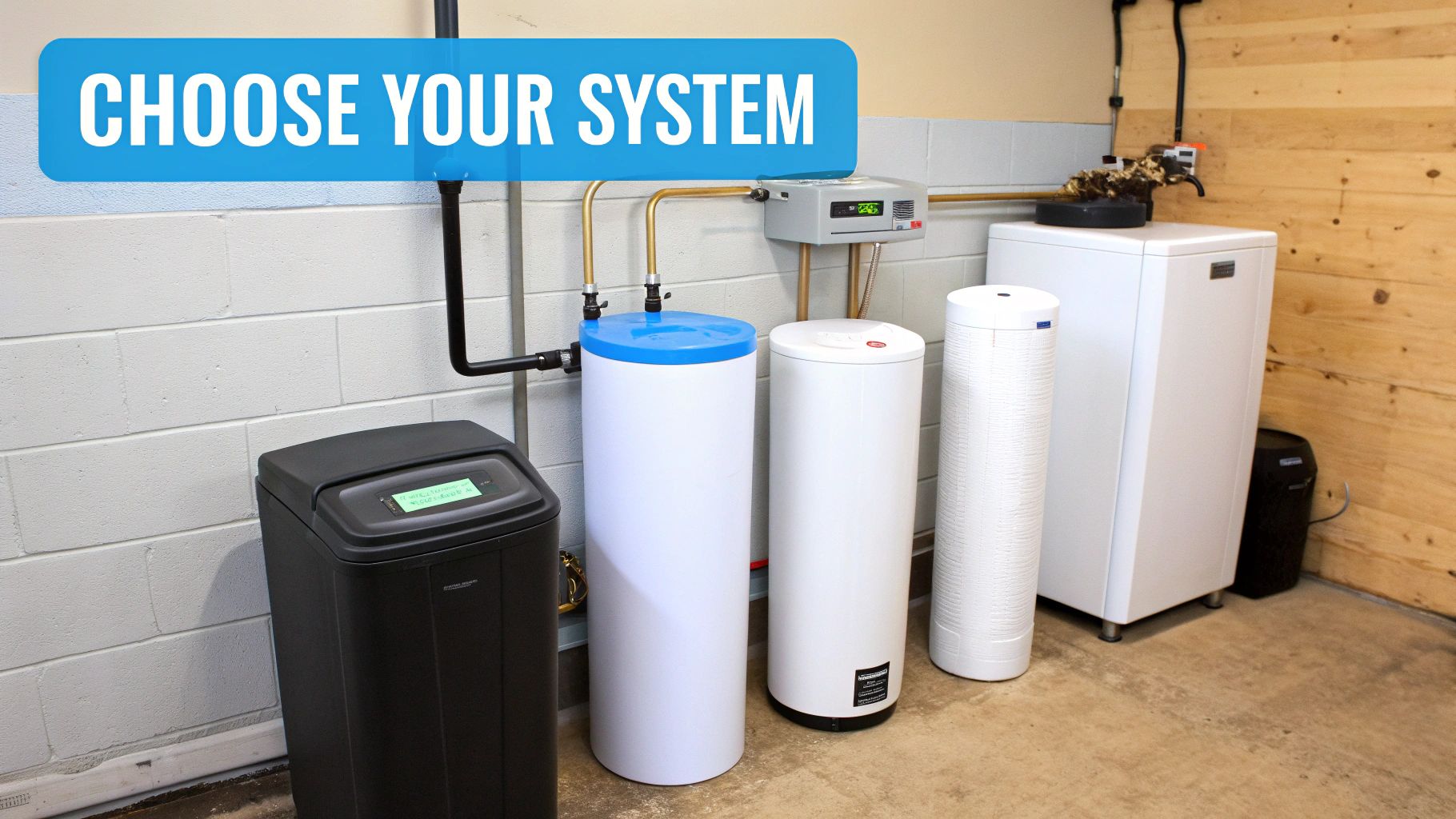
Alright, you've got your water test results. Now for the fun part: picking the right gear to assemble your home’s water-purifying dream team.
Looking at water treatment equipment can feel a bit overwhelming. You’ll see a maze of tanks, filters, and strange-looking gadgets. The secret is to stop looking for one magic bullet. Instead, think of it like building a team, where each piece of equipment has a very specific job to do based on your lab report.
Your goal is to create a multi-layered defense that knocks out every contaminant on your list. Let’s walk through the most common and effective whole-house solutions—what they do, why you need them, and just as important, what they don't do.
The Foundation of Every System a Sediment Pre-Filter
No matter what else you install, you almost always start with a sediment pre-filter. Think of it as the bouncer for your entire system. Its only job is to stop the big stuff—sand, silt, dirt, and rust—before it can get in and wreck your more expensive equipment.
Without this first line of defense, a water softener's resin bed gets gunked up, an iron filter clogs solid, and a UV light gets covered in grime, making it totally useless. It's a small, cheap investment that protects thousands of dollars of equipment down the line.
Tackling Iron, Manganese, and Sulfur
See those ugly reddish-brown streaks in your toilet? Or maybe you’ve got that lovely rotten egg smell when you turn on the hot water? That’s iron, manganese, or hydrogen sulfide gas. To get rid of them for good, you need an oxidizing filter.
These systems are beasts. They use a special filter media that forces dissolved iron and manganese to turn into solid particles, which are then trapped. Periodically, the system automatically backwashes itself, flushing all that trapped gunk down the drain.
This isn't a temporary fix. It's a permanent solution that eliminates the metallic taste, nasty smells, and frustrating stains at the source.
When a Water Softener Is Not Optional
Hard water is the silent killer of plumbing and appliances. The minerals—mostly calcium and magnesium—build up as a crusty white scale on everything. You see it on your shower head, but it's also lining the inside of your water heater, dishwasher, and pipes, choking their efficiency and causing them to fail years early.
A water softener is the only real answer. It uses a process called ion exchange to physically remove the hardness minerals, swapping them for harmless sodium ions. You get water that feels slick, lets soap lather up like it's supposed to, and protects your home's most expensive appliances from scale buildup.
Key Takeaway: A softener is a conditioner, not a filter. It won’t touch bacteria, viruses, or most chemicals. It has one job—fighting hardness—and it does it incredibly well.
The Ultimate Guardian UV Purification
For most well owners, the scariest threats are the ones you can't see, taste, or smell. I’m talking about bacteria, viruses, and cysts that can make your family seriously sick. This is where an ultraviolet (UV) purification system is essential.
It’s a simple but brilliant technology. Water flows through a stainless steel chamber where it’s blasted with intense UV light. This light instantly zaps the DNA of nasty microorganisms like E. coli and Giardia, making it impossible for them to reproduce and infect you.
It's a chemical-free way to guarantee your water is microbiologically safe. A UV system is your final line of defense, giving you peace of mind with every glass. For a deeper dive into modern water technologies, check out these Insights from the Water Technology Blog.
Well Water Filtration System Comparison
Navigating the world of water filtration can be tricky. This table breaks down the most common systems to help you match the right technology to your specific water problems.
| Filtration System | Primary Target Contaminant | Average Initial Cost | Ongoing Maintenance |
|---|---|---|---|
| Sediment Pre-Filter | Sand, Silt, Dirt, Rust | $50 – $200 | Change filter cartridge every 3-6 months. |
| Oxidizing Iron Filter | Iron, Manganese, Hydrogen Sulfide | $800 – $2,500 | Media may need replenishment every 5-10 years. |
| Water Softener | Hardness (Calcium & Magnesium) | $600 – $3,000 | Add salt to the brine tank regularly. |
| UV Purifier | Bacteria, Viruses, Cysts | $400 – $1,500 | Replace UV lamp and quartz sleeve annually. |
| Reverse Osmosis (RO) | TDS, Nitrates, Lead, Arsenic | $150 – $600 | Replace pre/post-filters annually; membrane every 2-4 years. |
Ultimately, your water test results are your guide. A single system might do the trick, but for many well owners, a combination of these technologies is what truly delivers clean, safe, and great-tasting water.
Point-of-Use Perfection Reverse Osmosis
While a whole-house system protects your entire home, you might want even purer water for drinking and cooking. That's where a Reverse Osmosis (RO) system comes in.
Typically installed right under the kitchen sink, an RO unit uses pressure to force water through an incredibly fine membrane. This process strips out up to 99% of all dissolved solids (TDS), including tough contaminants like nitrates, arsenic, lead, and fluoride.
If your goal is to have water that’s as pure as (or purer than) bottled water, an RO system is the perfect finishing touch to your treatment setup.
Getting It All Hooked Up: Installation and Maintenance
You've done your homework and picked out the right treatment system for your well. Awesome. But the job isn't done yet—getting it installed correctly and keeping it running smoothly is what actually delivers that clean, safe water you're after.
Look, while you can DIY this, I almost always suggest calling in a pro. A good plumber will get it done right the first time, ensuring everything works as it should and making your life easier when it's time for maintenance.
The Right Way to Install Your System
The single biggest mistake I see people make is getting the installation order wrong. If you mix up the sequence, you can wreck your expensive new equipment or just get water that’s no cleaner than when you started.
Think of it as a logical assembly line. Each piece of gear preps the water for the next one down the line.
Here’s the order that works:
- Sediment Pre-Filter: This guy always goes first. No exceptions. It’s your system's bouncer, catching all the big junk like sand, silt, and rust flakes. This protects the more delicate (and expensive) parts that follow.
- Iron Filter or Water Softener: Your heavy hitters go next. If you have both, the iron filter should come before the water softener. Why? Because you don't want all that iron gunking up the resin beads in your softener. It’ll ruin them.
- UV Purifier: The UV light is your last line of defense, the final kill step for any lingering bacteria or viruses. For it to work, the water has to be crystal clear. That's why it always goes at the very end, after all the sediment and minerals are long gone.
You'll also want to install the whole setup right where the main water line enters your house—usually the basement, garage, or a utility closet. Make sure there’s enough room to get in there and change filters, it's protected from freezing, and there's an outlet nearby for things like the UV system.
A Simple Maintenance Routine That Actually Works
Your water system is just like your car; ignore it, and it will eventually fail you. Forgetting basic upkeep is the fastest way to undo all your hard work and investment.
The good news? It's pretty simple once you get a routine going.
Your Go-To Maintenance Checklist
- Sediment Filter Cartridge: This is your most common task. Give it a look every month and plan on swapping it out every 3-6 months. If it looks gross, change it. A clogged filter will absolutely tank your water pressure.
- Water Softener Salt: Just peek inside the brine tank every so often. You’ll probably need to add more salt every 4-8 weeks, depending on how hard your water is and how much you use. Stick to the good stuff—high-quality pellets made for softeners.
- UV Lamp and Sleeve: The UV bulb must be replaced every year. Don't wait for it to burn out. Its disinfecting power drops off after about 12 months, even if it still lights up. While you're at it, give the quartz sleeve that houses the bulb a good cleaning.
A well-maintained system is your best guarantee for safe water. Seriously, set calendar reminders for this stuff. A few minutes of your time every few months beats dealing with a major repair or, worse, getting your family sick.
The need for good filtration isn't going away. The global market for water treatment gear shot past USD 65.1 billion in 2023, driven by increasing contamination from industrial sources. Here in North America, 13 million wells provide water for 43 million people. But get this: USGS data shows that a staggering 23% of those wells have arsenic levels higher than the EPA allows. That's the same contaminant linked to serious health issues before modern filters were common. If you want to dig into the numbers, you can explore detailed market insights on water treatment equipment.
This is why staying on top of installation and maintenance is so critical. It’s not just about protecting your gear; it's about protecting your family's health. Be proactive, and your system will give you the clean, safe water you paid for, year after year.
Living With Your New Water Treatment System
Alright, your new system is installed and humming along. The installation might be over, but the best part is just getting started. So what really changes now that your well water is being properly treated? It’s about way more than just "safer water"—these are tangible improvements you’ll notice every single day.
The first thing that hits you is the taste and smell, or rather, the lack of it. That metallic bite from iron or that faint rotten-egg whiff of hydrogen sulfide? Gone. Your water will finally taste crisp and clean. I’ve seen countless homeowners who are genuinely floored by how much better their morning coffee tastes once all those unwanted minerals are stripped out.
No More Stains and Scale Buildup
Probably one of the most celebrated perks is winning the war against mineral stains. You can finally tuck those harsh chemical cleaners away. Those frustrating reddish-brown streaks in your toilets and sinks won't magically reappear a few days after you’ve scrubbed everything down. Your white laundry will actually come out white, and your glassware will be sparkling instead of cloudy.
And this isn't just about looks. That same hard water scale that clouds your glasses also chokes your appliances from the inside out. With a good water softener in place, your dishwasher, washing machine, and especially your water heater can finally run at peak efficiency. This directly translates into a longer lifespan for these big-ticket items, saving you some serious cash over the long haul.
For a lot of families, the real prize is peace of mind. Knowing every tap in the house delivers water free from nasty bacteria like E. coli is a comfort you just can't put a price tag on. It’s the assurance that your water is protecting your family, not posing a threat.
The New "Feel" of Your Water
If you installed a water softener, get ready for a totally different shower experience. Soft water feels noticeably different—most people describe it as slick or silky. That’s because the hardness minerals that kept soap from lathering up are now gone.
You’ll notice a few things right away:
- You'll use way less soap. A tiny drop of shampoo or body wash will create a mountain of suds you could never get with hard water.
- Your skin and hair will feel softer. Hard water is notorious for stripping moisture, but soft water rinses completely clean without leaving that dry, scaly residue behind.
- You can cut back on laundry detergent. Seriously. You can often use half the amount of detergent and still get cleaner, softer clothes.
It takes a little getting used to, but almost everyone comes to love the luxurious feel and cost-saving perks of soft water. In the end, investing in the right treatment system completely changes your relationship with your well water. It goes from a source of constant frustration and worry to a clean, reliable, and enjoyable part of your everyday life.
Your Well Water Treatment Questions, Answered
Even after you've mapped out a plan, a few questions are bound to pop up. Treating well water is a big deal, and it's smart to dig into the details. Let's run through some of the most common things we hear from homeowners trying to get it right.
How Often Should I Be Testing My Well Water?
Think of it like an annual physical for your water supply. Best practice is to test your well at least once a year for the usual suspects like bacteria and nitrates. Those can pop up unexpectedly, so staying on top of it is crucial.
You'll also want to test anytime you notice a change—if the water suddenly tastes, smells, or looks different. Did the area around your well flood recently? Did you just have some plumbing work done? Time for a test. For the heavier hitters like arsenic or lead, a more in-depth lab test every 3 to 5 years is a solid investment in your peace of mind.
Can I Get By With a Simple Pitcher Filter?
A pitcher filter is fantastic for sprucing up city water, but it's completely out of its league when it comes to raw well water. These little filters are mostly designed to pull out chlorine and improve taste. They offer zero protection against the serious contaminants lurking in many wells.
A pitcher filter will not touch:
- Bacteria, viruses, or cysts
- Heavy iron or manganese
- Hydrogen sulfide (that rotten egg smell)
- Hardness minerals that cause scale
For well water, you really need a whole-house system. This isn't just about the water in your glass; it's about protecting your pipes, appliances, and your family's health.
What's the Real Difference Between a Water Softener and a Water Filter?
This is a great question, and it gets right to the core of building a smart system. They're two different tools for two completely different jobs.
- A water filter’s job is to remove things from the water—sediment, iron, bacteria, chemicals, and anything else you don't want in there.
- A water softener is more of a conditioner. It uses a process called ion exchange specifically to grab onto hardness minerals like calcium and magnesium.
Here's the key takeaway: A softener stops scale from ruining your appliances and makes soap lather better, but it does not make your water safe to drink. A filter removes harmful contaminants but won't do a thing for your hard water problems. Most well water homes need both.
My Water Pressure Dropped After Installing My New System—What Gives?
A sudden pressure drop right after a new installation almost always points to one culprit: a clogged sediment pre-filter. That filter is the first line of defense, and it’s catching all the gunk stirred up during the install. It's doing its job, but it can get overwhelmed quickly at first.
Go check that first filter cartridge. If it's caked in grime, swap it out for a new one. This fixes the issue 90% of the time. If that doesn't do the trick, double-check that the system's bypass valve wasn't left half-closed. If you're still having trouble, the system might be undersized for your home's flow rate, and it's time to call the installer back.
At Water Filter Advisor, we're here to help you get confident about your home's water quality. From our deep-dive guides to unbiased reviews, we give you the info you need to make sure every tap flows with safe, clean water. Check out all our resources at https://www.waterfilteradvisor.com.
- January 16, 2026
- 0
- Uncategorized
