Whole House Water Purification: A Practical Guide
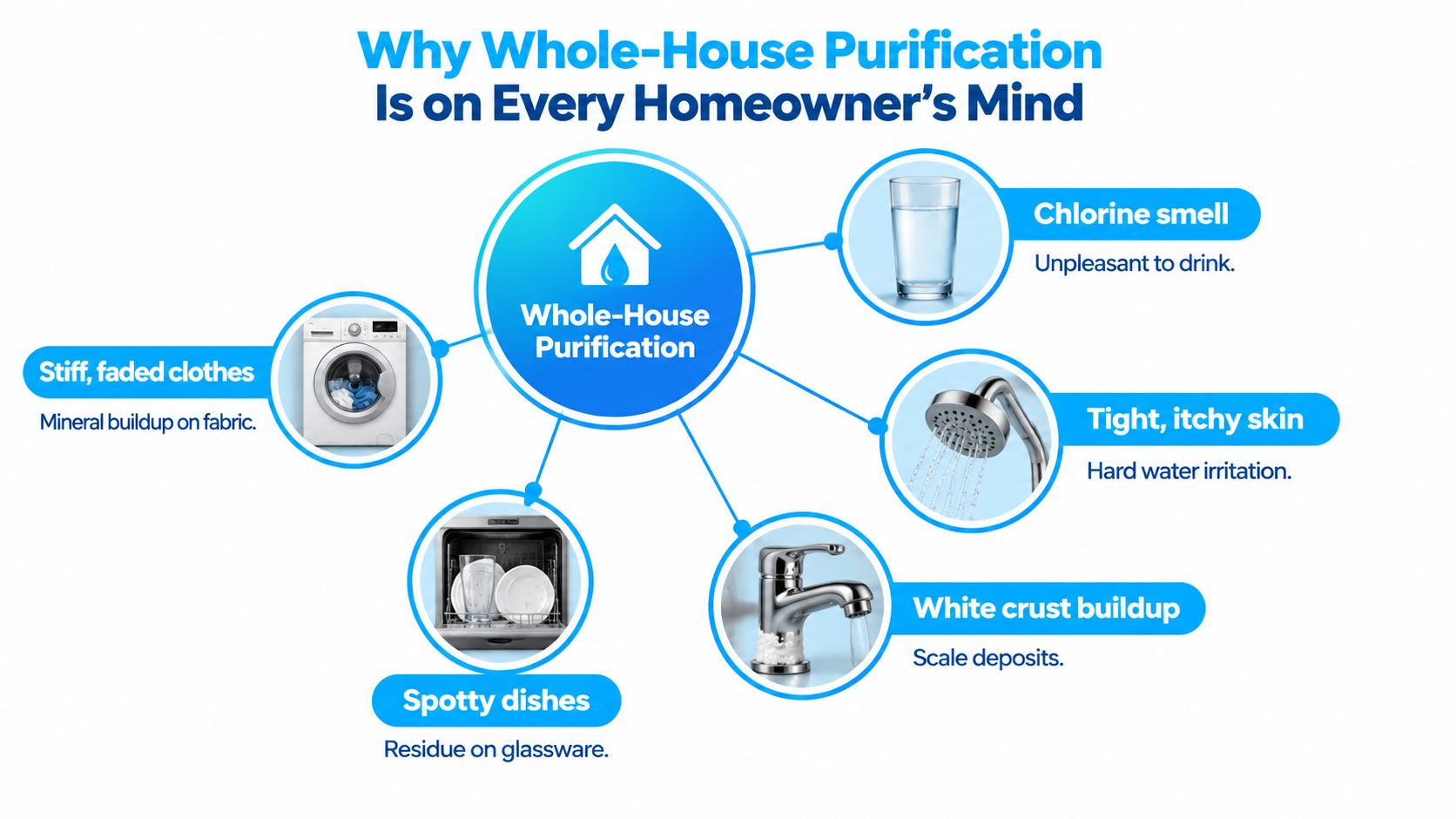
You notice it in small, irritating ways. A glass of tap water carries a faint chlorine smell. Your skin feels tight after a shower. A white ring forms around the faucet, and the dishwasher leaves spots on glasses that used to come out clear. None of these clues tells you the whole story, but together they suggest that your home's water needs more than a filter attached to one kitchen tap.
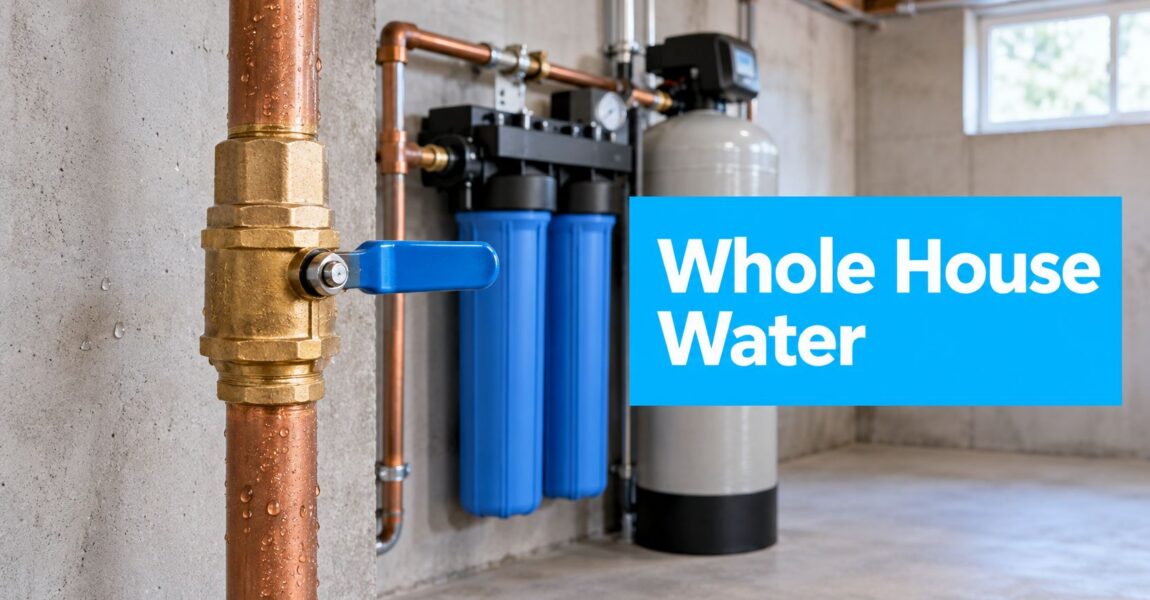
Whole-house water purification treats water at the point where it enters the property, before the supply divides toward showers, sinks, appliances, and laundry. The right setup can address taste, odor, sediment, hardness, and selected health-related contaminants across the home. The wrong setup, even if it has an impressive label, can restrict flow, miss the target contaminant, or create maintenance problems.
Why Whole-House Purification Is on Every Homeowner's Mind
A homeowner usually doesn't begin with a laboratory report. The process starts with a glass of water that smells slightly chemical, a shower that leaves skin uncomfortable, or a faucet surrounded by chalky scale. The smell may point to chlorine or chloramine, while the white crust usually signals hardness minerals. Rust-colored particles can come from sediment or aging plumbing, and cloudy dishes may reflect mineral residue rather than dirty detergent.
Treating one tap can hide one symptom. A pitcher may improve drinking water, but it won't change the water flowing through the shower, washing machine, water heater, or ice maker. That's similar to wearing shoes with grit trapped inside. You can shake out one shoe, but the problem remains everywhere else.
A useful homeowner question: Do you want cleaner water at one fixture, or do you want to change the water entering the entire plumbing system?
That decision explains why point-of-entry treatment has become more visible. One industry estimate values the whole-house water purification market at USD 12.74 billion in 2025, projects USD 13.38 billion in 2026, and forecasts USD 20.75 billion by 2035, with a projected 5.0% CAGR from 2026 to 2035 (Global Growth Insights market estimate). The same estimate assigns regional shares of 36% to North America, 33% to Asia-Pacific, 21% to Europe, and 10% to the Middle East and Africa, indicating broad demand rather than interest in one market alone.
Consumer adoption tells a similar story. The 2021 WQA Consumer Opinion Study reported that 22% of households had a whole-house filter system, while 46% had a refrigerator with a filtered drinking-water dispenser (consumer adoption data). Whole-house treatment isn't a universal answer, but it has moved beyond an early-adopter idea. For many homeowners, it's a practical plumbing decision: identify the water problem, select the treatment stages that match it, and make the improvement automatic at every fixture.
What a Point-of-Entry System Really Does
A point-of-entry, or POE, system is installed on the main supply line where water enters the building. In a municipal home, that usually means after the water meter. In a private well setup, it may sit after the pressure tank. The system treats the incoming supply before pipes branch toward the kitchen, bathrooms, laundry, and other fixtures.
Use this mental model: water gets one first stop inside your house. At that stop, a sediment filter, carbon tank, softener, UV unit, or combination system can treat the supply. Afterward, the treated water travels through the existing plumbing network.
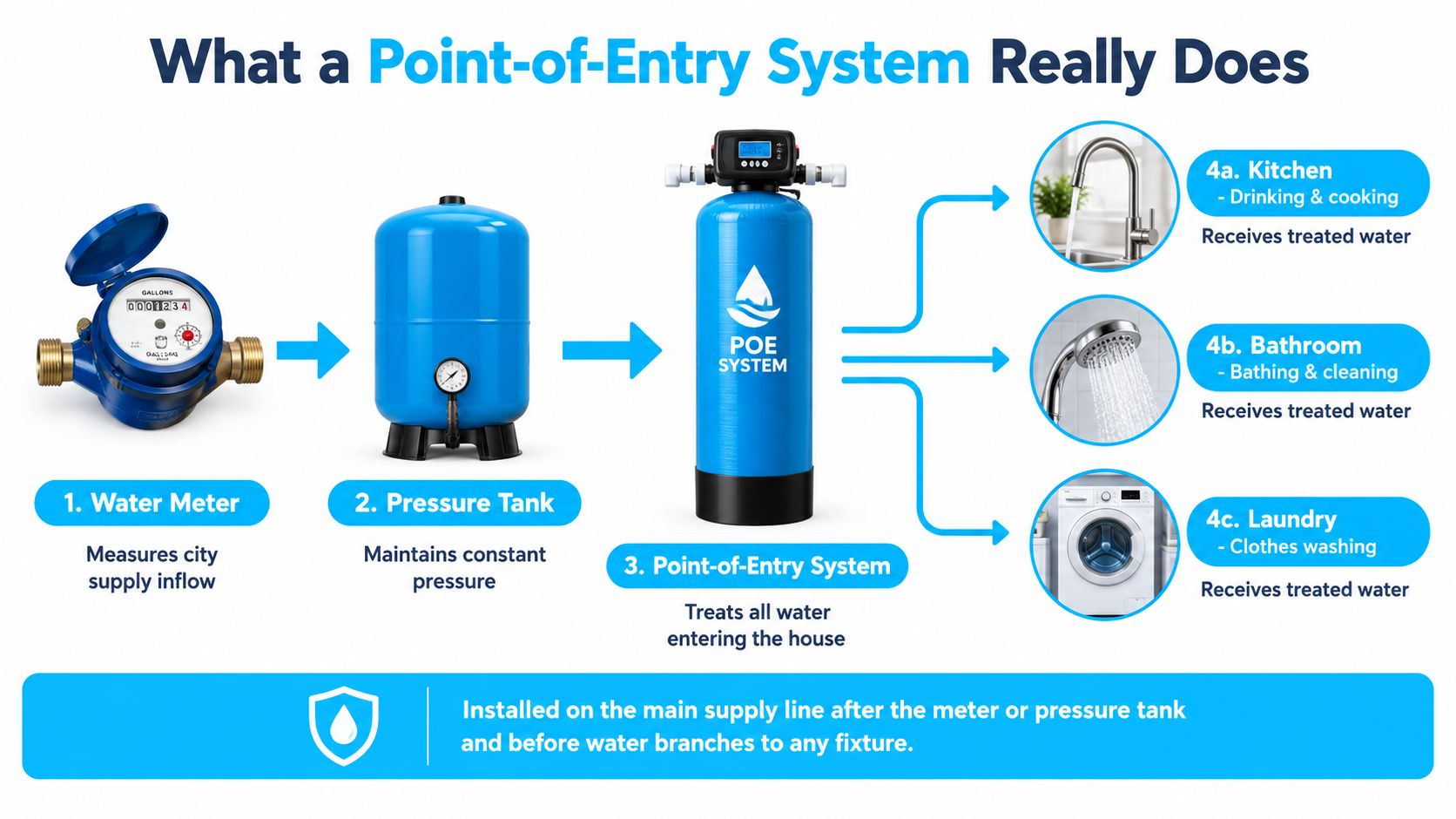
The location creates the main advantage over a point-of-use, or POU, filter. An under-sink reverse osmosis unit polishes water at one drinking tap. A faucet-mounted cartridge or pitcher does the same on a smaller scale. Those devices can be useful for drinking-water goals, but they don't treat shower water, laundry water, toilet fill water, or water entering a humidifier.
The two approaches can work together rather than compete. A POE system can reduce chlorine, sediment, or hardness throughout the home, while a POU reverse osmosis unit can provide additional drinking-water treatment where a household needs it. The choice depends on coverage and contaminant goals, not on which product has the largest tank.
The U.S. Environmental Protection Agency explains that point-of-entry devices treat water for the whole building and are most appropriate when the source has consistent, significant contamination. The EPA also recommends extensive pilot testing for device selection in community-style applications (EPA guidance on point-of-entry and point-of-use treatment). For a homeowner, the practical lesson is simple: a POE system must match the source water, the plumbing, and the required flow.
The Main Stages That Make Up a Whole-House System
A whole-house system is usually a sequence of treatment stages, not one magical cartridge. Each stage has a job, and the order matters because one poorly placed component can overload the next.
The treatment stack
| Stage | Targets | Placement in Stack | Key Note |
|---|---|---|---|
| Sediment pre-filter | Sand, rust, silt, turbidity | First | Protects downstream media from clogging |
| Activated or catalytic carbon | Chlorine, chloramine-related taste and odor, some VOCs | After sediment | Needs adequate contact time and flow control |
| KDF media | Iron, hydrogen sulfide, selected heavy metals | Often with or before carbon, based on design | Supports redox treatment and can slow bacterial growth |
| Ion-exchange softener | Calcium and magnesium hardness | Usually before or after carbon according to the water analysis | Softens water, but doesn't purify it broadly |
| Ultraviolet disinfection | Microorganisms | Final stage after pre-filtration | Requires clear water so light can reach microbes |
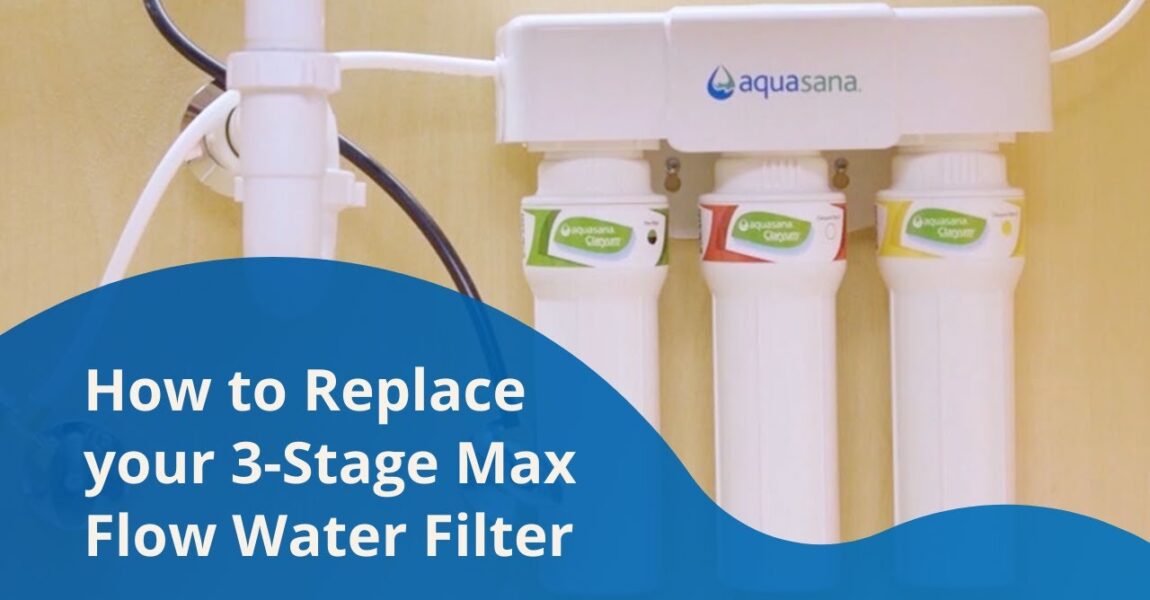
Sediment filtration provides the physical starting point. Pleated or spun cartridges catch sand, rust, and suspended particles. That protects carbon beds and other media from becoming coated with debris.
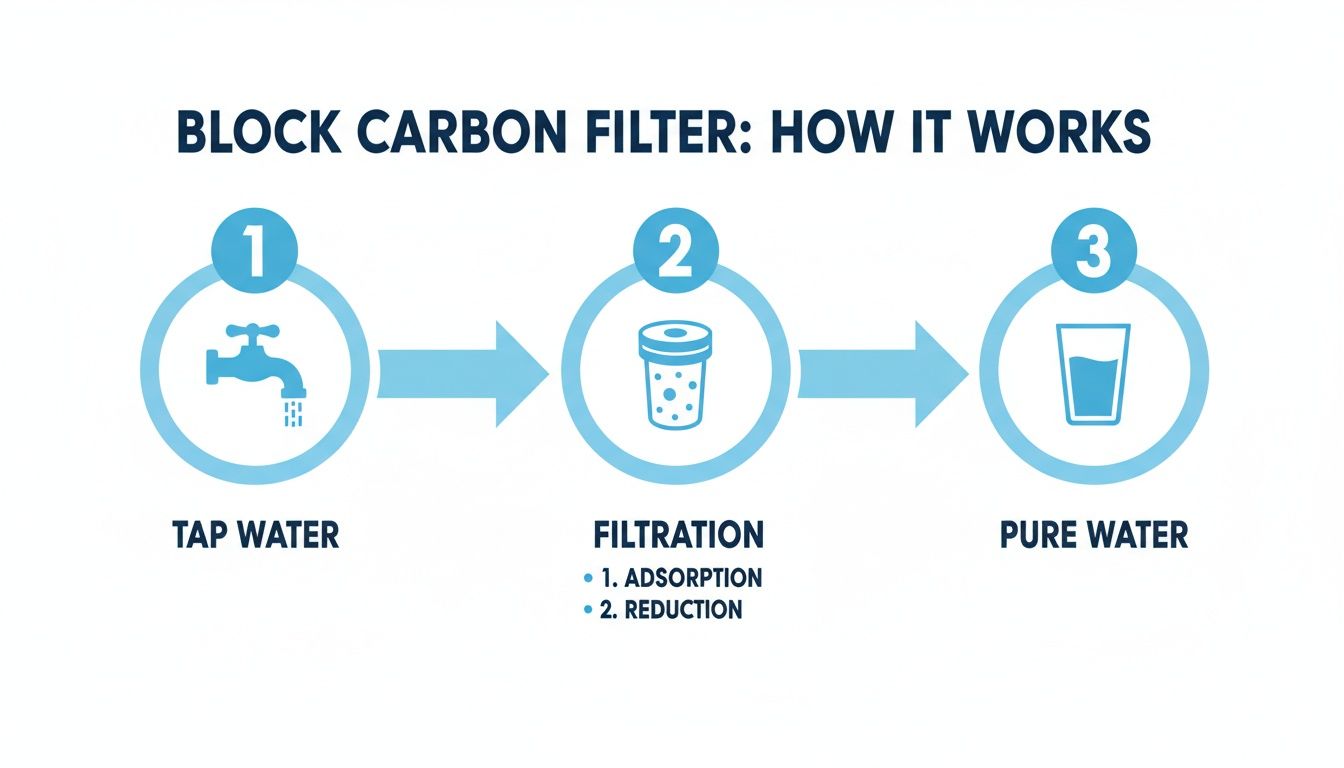
Carbon treatment works through adsorption, which means contaminants attach to the media's surface. Standard activated carbon can improve chlorine taste and odor, while catalytic activated carbon is more appropriate for chloramine. Carbon can also address some volatile organic compounds, but the exact claim depends on the certified system and its operating conditions.
KDF media uses a redox process to target concerns such as iron, hydrogen sulfide, and selected heavy metals. It may also help slow bacterial growth within the media environment, but it isn't a substitute for validated disinfection.
A water softener exchanges calcium and magnesium ions for sodium or potassium ions. That reduces scale formation, but it doesn't remove chlorine, lead, or VOCs. UV treatment provides a final microbial barrier by disrupting the genetic material of microorganisms. It doesn't remove chemicals, minerals, or sediment, and it works best only after the water has been made clear.
Design principle: Sediment protects carbon, carbon addresses chemicals, softening addresses hardness, and UV addresses microbes. No single stage can perform every job.
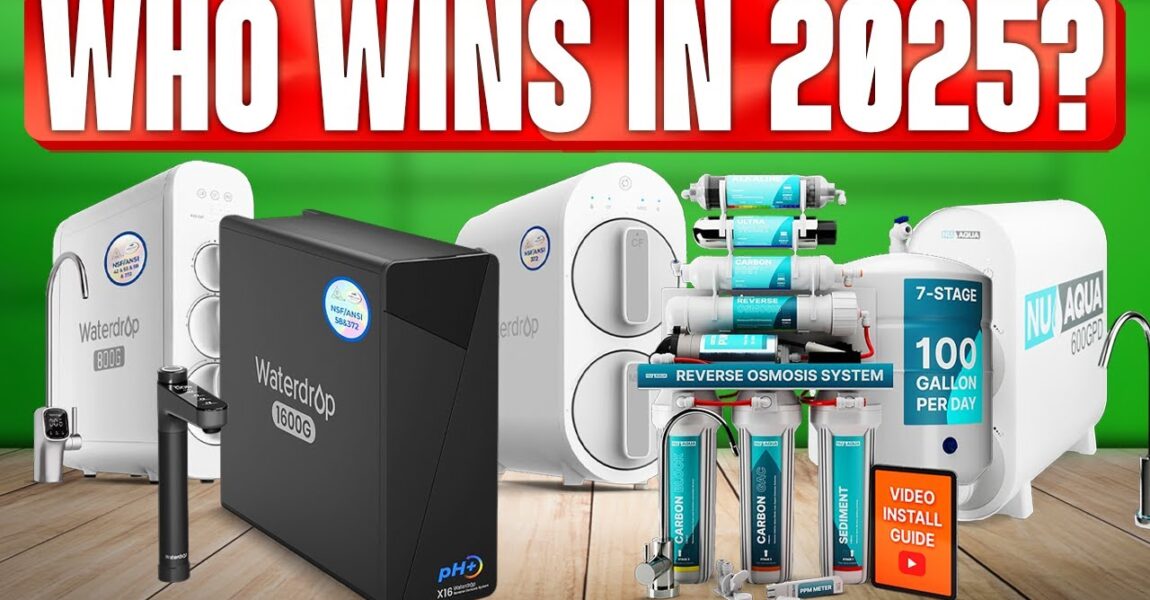
Homeowners comparing membrane systems with carbon or other whole-house stages may benefit from this plain-language reverse osmosis vs water filter guide. The important distinction is that reverse osmosis is commonly used for focused drinking-water treatment, while whole-house systems must also handle household flow and plumbing coverage.
Matching Contaminants to the Right Filtration Stage
Start with the contaminant, not the equipment category. A chlorine smell points you toward carbon. Scale points toward softening. A suspected health-related contaminant requires a certified reduction claim, not a general promise that the water is “purified.”
| Contaminant | Typical Symptom | Best Stage | Notes |
|---|---|---|---|
| Chlorine | Chemical taste or odor | Activated carbon | Check the system's specific reduction claim |
| Chloramine | Persistent disinfectant odor or taste | Catalytic carbon | Requires more contact time than free chlorine |
| Lead | Usually no reliable taste or visual clue | Certified carbon or specialty media | Look for an NSF/ANSI 53 lead-reduction claim |
| Mercury | Usually no reliable household symptom | Certified specialty media or RO | Verify the exact contaminant claim |
| Iron | Metallic taste or staining | KDF or dedicated iron treatment | Water chemistry determines suitability |
| Manganese | Dark staining or unpleasant taste | Specialty media | Test before choosing the media |
| Hardness minerals | Scale, spots, stiff-feeling laundry | Ion-exchange softener | Softening doesn't remove chemical contaminants |
| VOCs | Chemical taste or odor | Activated or catalytic carbon | Confirm the exact VOC claim |
| Pesticides | Often no obvious symptom | Certified specialty media or RO | Use a water report to define the target |
| Microbial cysts | Usually no obvious symptom | Certified filtration or UV combination | UV requires clear water and correct sizing |
The hardest decision often involves overlapping problems. Chlorinated municipal water with hard minerals may need carbon plus a softener. Chloraminated water may need catalytic carbon with a larger media bed, longer contact time, or controlled flow. A private well with iron and microbial concerns may need sediment treatment, iron-specific media, and UV rather than a city-water carbon package.
NSF distinguishes aesthetic standards such as NSF/ANSI 42 from health-related reduction standards such as NSF/ANSI 53 and 58 (NSF standards for water treatment systems). That distinction matters because a unit that improves taste isn't automatically validated for lead, cysts, or other health-related contaminants.
Water treatment belongs to the same broader household comfort conversation as indoor air quality, but the equipment and claims are different. Homeowners comparing air and water upgrades can use this overview of a home air purifier for context, while keeping the water decision tied to a laboratory result and a certified filtration claim.
How to Size a System Without Regret
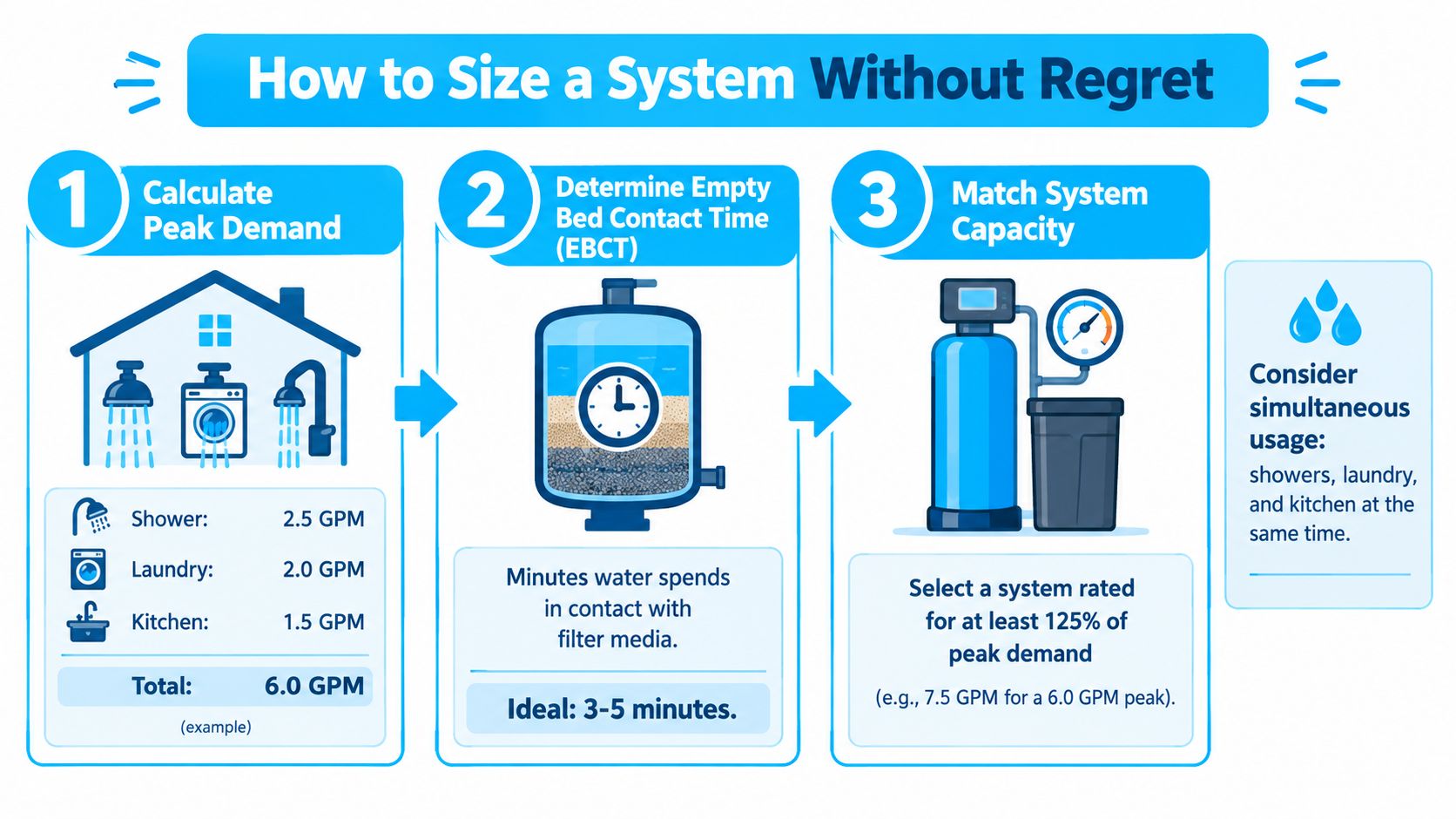
Sizing starts with peak demand, not the average amount of water used during a day. The filter must deliver acceptable pressure when people shower, wash clothes, fill a sink, and use another fixture at the same time.
Add the flow requirements for the fixtures that may run together. One buying guide gives an example of two 2.0 GPM showers, a 1.5 GPM faucet, and a 3.5 GPM washing machine, producing a total demand of 9 GPM. The guide recommends a filtration system that exceeds that total to reduce pressure restriction (whole-house filter sizing example).
Service flow and contact time
A system's service flow rating describes the flow it can treat while meeting its performance target. Its peak or maximum flow rating may describe what can pass through the equipment briefly, but that doesn't mean the media will remove contaminants effectively at that rate.
The technical concept behind carbon sizing is empty-bed contact time, or EBCT. EBCT describes how long water remains in contact with the carbon media. Faster flow shortens that contact time, which can cause chlorine or chloramine breakthrough. Chloramine generally needs catalytic activated carbon and substantially more contact time than free chlorine, so a compact tank may look affordable while failing during busy household periods (technical explanation of whole-house activated carbon sizing).
Use this sequence:
- List simultaneous fixtures: Include showers, laundry, kitchen use, and any other high-flow equipment.
- Estimate the combined GPM: Treat the total as your minimum service-flow target.
- Check the contaminant requirement: Chloramine treatment may require more media and contact time than chlorine treatment.
- Review pressure drop: Ask how much pressure the system loses at the flow your home needs.
- Choose the correct tank configuration: Larger beds, twin tanks, or flow control may be necessary for demanding applications.
Don't select a unit from its advertised maximum alone. Ask for the certified reduction conditions, service flow, media volume, and expected pressure drop at your calculated demand.
Decoding NSF Certifications Before You Buy
“NSF certified” doesn't describe one universal level of performance. It identifies a standard, and that standard tells you what the product was evaluated to do.
NSF/ANSI 42 generally addresses aesthetic concerns such as chlorine taste and odor. NSF/ANSI 53 covers health-related contaminant reduction claims, including lead on appropriately certified products. NSF's lead-reduction listings identify Standard 53 as the recognized certification used to evaluate drinking-water treatment units for lead reduction (NSF lead-reduction listings).
Read the number beside the claim
NSF/ANSI 55 applies to ultraviolet microbiological treatment systems. NSF/ANSI 58 applies to reverse osmosis systems. NSF/ANSI 61 concerns the safety of materials and components used in drinking-water system construction, while NSF/ANSI 372 addresses lead-free component requirements.
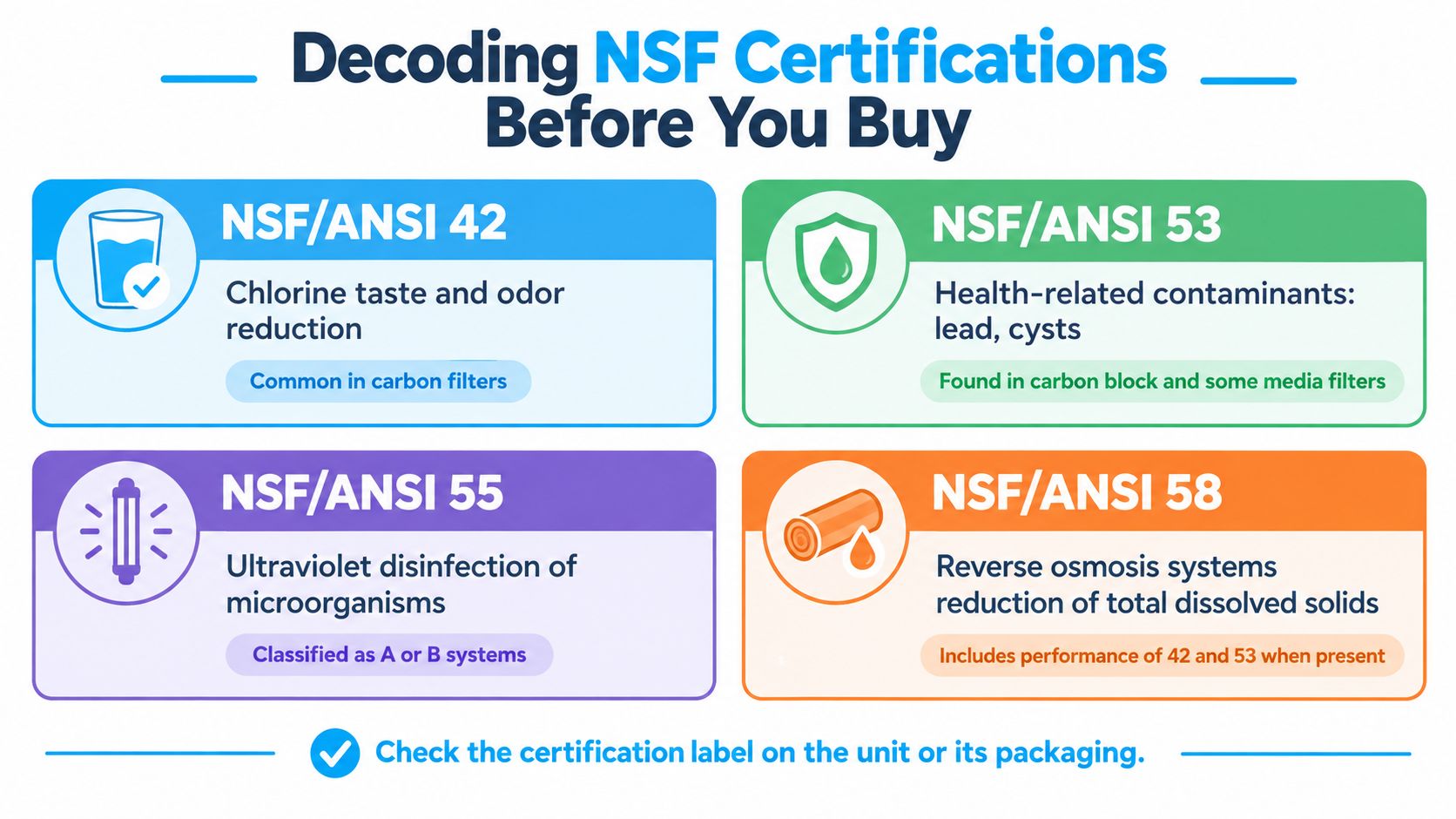
Two systems can carry an NSF-related label yet address different contaminants. One may be certified for chlorine taste and odor under Standard 42, while another may carry a lead-reduction claim under Standard 53. Neither label automatically proves performance against every contaminant in your water.
Check the certification mark on the product, then verify the model in the relevant NSF certified product listings. Look for the exact model, contaminant, standard, rated flow, and operating conditions. If the listing only supports an aesthetic claim, don't interpret it as a health-protection claim.
A water report should guide the search. If the report identifies lead, find a model with a lead-reduction certification. If the concern is microbial contamination, look for the appropriate UV or filtration certification. Marketing language can start the conversation, but the certification listing should finish it.
The Real Cost of Owning a Whole-House System
The installation price is only the opening line of the budget. Whole-house water purification can involve equipment, plumbing labor, replacement media, salt, lamps, pre-filters, and service visits. A system that looks inexpensive at purchase can become inconvenient if replacement parts are difficult to source or maintenance is easy to forget.
The requested cost categories often appear in buying discussions, but they aren't supported by the verified data available for this guide. Rather than present unsupported dollar amounts as fact, use the structure below to compare quotes and ownership obligations.
| Component | Upfront Cost | Annual Maintenance | 10-Year Total |
|---|---|---|---|
| Filtration equipment | Quote required | Media or cartridge service | Add purchase and scheduled replacements |
| Professional installation | Quote required | Occasional plumbing service | Add installation and service calls |
| Carbon media | Included in system quote | Replacement schedule varies | Add each scheduled media change |
| Water softener | Quote required | Salt and resin service | Add recurring salt and maintenance |
| UV system | Quote required | Lamp and sleeve service | Add recurring lamp and cleaning costs |
| Water testing | Testing fee varies | Retest when water conditions change | Add initial and follow-up testing |
Budget for the unglamorous part
Maintenance compliance is a major ownership bottleneck. Independent analysis describes replacement compliance as a significant problem in residential filtration and notes that subscription replacement models are emerging because performance depends on continued upkeep (analysis of filtration maintenance trends).
A licensed plumber is usually the safer choice when installation involves cutting the main line, relocating a pressure-regulating component, adding a drain connection, or modifying electrical service for UV. DIY work may suit a straightforward cartridge housing with accessible shutoffs, but follow the manufacturer's installation requirements and understand how plumbing changes affect warranties.
Compare quotes over the full ownership cycle. Ask which filters change first, who supplies replacement media, how the system handles bypass during service, and what happens if the water chemistry changes. Appliance protection can be part of the value, but don't assume a filter prevents every failure. Match the equipment to tested hardness and contaminant conditions before using savings projections to justify the purchase.
Common Myths and Your Practical Next Steps
Myth one says filters never need changing
Every carbon bed has finite adsorption capacity. Once the media approaches exhaustion, it can stop reducing the target contaminant effectively, even if water still flows normally. Sediment cartridges can clog, UV lamps can lose useful output, and softeners need regeneration materials and service.
A filter that looks clean isn't necessarily performing well. Keep a written service schedule based on the manufacturer's instructions, water quality, usage, and the system's rated capacity.
Myth two says a softener purifies water
A softener handles hardness by exchanging calcium and magnesium ions for sodium or potassium ions. It doesn't automatically remove chlorine, lead, VOCs, sediment, or microorganisms. If hardness and chlorine are both problems, the plumbing design may need separate stages.
Myth three says all certified systems perform the same
Certification validates a defined claim under defined conditions. It doesn't make every certified unit identical in media volume, contact time, capacity, flow behavior, pressure drop, or maintenance design. A Standard 53 product with a lead-reduction claim should be evaluated for that claim, while a Standard 42 product remains focused on aesthetic improvement.
The purchase checklist: Test first, define the goal, match each contaminant to a treatment stage, verify the exact certification, and budget for maintenance.
Before requesting quotes, write down the symptoms and the fixtures affected. Then use a laboratory water test or a reliable municipal report to identify the actual contaminants. Map the findings to stages, calculate likely simultaneous flow, and ask each installer to show the service-flow rating and certification details.
For practical help comparing filter types, testing options, replacement planning, and installation considerations, consult the water filtration advice library. It can help you turn a vague concern about household water into a specific treatment plan.
Water Filter Advisor offers consumer guidance on choosing, comparing, and maintaining whole-house, under-sink, faucet, shower, refrigerator, and portable filtration systems. Visit Water Filter Advisor to compare treatment stages, understand certification claims, and plan the replacement schedule before you install.