Reverse Osmosis With Minerals: A 2026 Homeowner’s Guide

You install a reverse osmosis system because you want cleaner water. The first glass pours out crystal clear. You take a sip and think, “Why does this taste so… empty?”

That reaction is common.

A strong RO system can do such a thorough job that it removes not only unwanted contaminants, but also the naturally occurring minerals that make water taste lively and balanced. That’s why so many homeowners start looking into reverse osmosis with minerals. They want the purity of RO, without the flat taste that can come with highly stripped-down water.

The good news is that remineralization isn’t complicated once you understand what it’s doing. It is the finishing step that helps purified water feel more natural again. The more useful question isn’t just whether to add minerals back. It’s which minerals, how much, and what kind of result you want in the glass.

The RO Paradox Why Pure Water Can Taste So Flat

A lot of homeowners assume the cleanest water should also taste the best. In practice, that’s not always true.

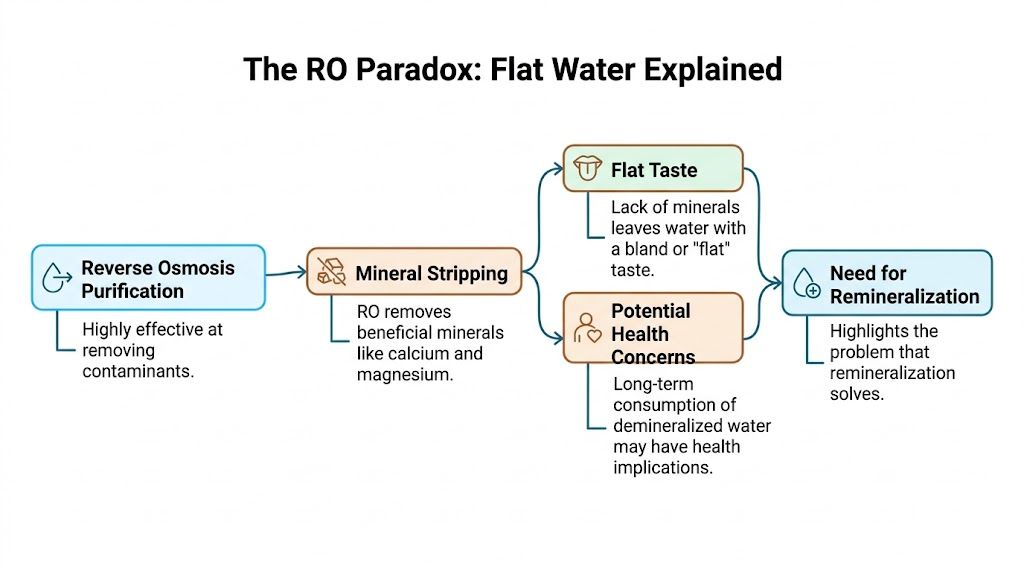
Reverse osmosis is excellent at removing dissolved material. In fact, RO systems remove 92-99% of dissolved minerals, including calcium at 97% and magnesium at 96%, and can reduce typical tap water from 300 ppm TDS to 15-30 ppm while lowering pH to 5.8-7.2 according to Frizzlife’s RO mineral guide.

That result is impressive for purification. It can be underwhelming for taste.

A flowchart explaining the RO paradox: how reverse osmosis purification removes essential minerals leading to flat-tasting water.

What TDS really means in plain English

TDS stands for total dissolved solids. That includes many things dissolved in water, both helpful and unhelpful.

A simple way to think about TDS is this:

  • Some dissolved solids are a problem. Lead, arsenic, nitrates, and other unwanted contaminants belong in the “remove it” category.
  • Some dissolved solids shape taste. Calcium and magnesium often give water a fresher, rounder character.
  • A very low TDS reading can mean the membrane is doing its job. It doesn’t automatically mean the water will be pleasant to drink.

If you sift flour through a very fine screen, you remove the lumps. If you keep going and strip out everything that gives the dough structure, you don’t end up with better bread. You end up with something incomplete.

RO can create that same effect in water.

Why low-mineral water feels empty

People describe demineralized RO water in similar ways. They call it flat, thin, blank, or “dead.” Those aren’t scientific terms, but they’re accurate descriptions of the drinking experience.

Minerals affect more than flavor. They also influence mouthfeel, which is the subtle sensation water leaves on your tongue. Water with some calcium and magnesium often feels crisper or smoother. Water with almost none can seem hollow.

Practical rule: If your new RO system produces very pure water that you don’t enjoy drinking, the problem usually isn’t that the system failed. It may be that it worked exactly as designed.

The pH piece that confuses people

Many homeowners hear that RO water can become slightly acidic and assume something is wrong. Usually, it’s not a defect.

When water has very few dissolved minerals, it has less buffering capacity. That means its pH can shift more easily. The range noted above, 5.8-7.2, helps explain why plain RO water can taste sharper or less balanced than expected.

That doesn’t mean RO water is dangerous by default. It means highly purified water is missing some of the natural structure that makes drinking water feel stable and satisfying.

Why this matters in a home

Flat-tasting water creates a practical problem. If your family doesn’t like the taste, they won’t use the system as much as they should.

That’s where remineralization comes in. It keeps the purification benefits of RO, then adds back selected minerals to improve taste, support a more balanced pH, and make the water feel more like water people want to drink every day.

Bringing Water Back To Life How Remineralization Works

A remineralization stage is usually the last stop in the filtration path. Water gets purified first. Then it passes through a cartridge that adds a controlled amount of minerals back.

The easiest analogy is a tea bag.

Plain hot water goes in. As the water moves through the tea, it picks up certain compounds that change flavor and character. A remineralization cartridge works in a similar way. The water flows through mineral media, and the media dissolves small amounts of selected minerals into the finished water.

Water being poured into a clear jar filled with natural rocks and moss to represent mineralization.

What the cartridge actually does

Inline remineralization cartridges aren’t random “alkaline boosters.” They’re designed to make purified water more balanced.

Inline calcite or magnesium-blend remineralization cartridges typically raise TDS by +20-40 ppm and stabilize pH at 7.2-8.0 according to Frizzlife’s reverse osmosis remineralization guide.

That one sentence explains most of the practical benefit:

  • TDS goes up a bit. Not back to raw tap water levels, but enough to improve taste.
  • pH becomes more stable. The water usually tastes less sharp and more rounded.
  • The result feels more natural. Many people compare it to spring water.

The mineral choices matter

Many buying guides become too vague. “Adds minerals back” sounds good, but it hides an important difference. Not all mineral stages produce the same kind of water.

Calcite heavy cartridges

Calcite is commonly used to add calcium.

Calcium can make water taste fuller and slightly creamy or rounded. Homeowners who want a softer, more familiar bottled-water taste often like calcium-rich remineralization.

Calcite also helps raise pH. That can be useful if your plain RO water tastes thin or slightly sour.

The tradeoff is balance. A cartridge that leans too heavily on calcium may improve taste without adding much magnesium.

Magnesium focused cartridges

Magnesium often gives water a brighter, crisper finish.

A magnesium-forward blend can make coffee and tea taste more lively, and many people prefer it if they want the water to feel “fresh” rather than soft. Magnesium also plays a role in raising pH and restoring electrolyte character.

If calcium is the mineral that often rounds the edges, magnesium is the one that gives the water some lift.

Blended cartridges

A blended cartridge usually gives the most balanced result for general household use.

Many homeowners do best with a cartridge that combines calcium and magnesium, because the two minerals affect taste differently. Calcium adds body. Magnesium adds crispness. Together, they create water that feels less processed and more complete.

Water that tastes good usually isn't the water with the most minerals. It's the water with the best balance.

Why “remineralization” is a useful word

The term can sound technical, but the basic idea is familiar in other parts of health. If you’ve ever read about what tooth remineralization is, you’ve seen the same principle. A structure loses minerals over time, then gets support from targeted mineral replacement.

Water works differently than teeth, of course. But the logic is similar. You’re restoring something that was intentionally stripped out.

What homeowners should match for their goals

Different households want different outcomes.

  • If taste is your top priority, look for a balanced calcium-magnesium blend.
  • If your plain RO water tastes too sharp, a cartridge that lifts pH more gently can help.
  • If you mainly want better coffee and tea, magnesium in the blend often matters.
  • If you already have hard source water and chose RO to escape that heavy taste, you’ll likely want a lighter remineralization stage, not an aggressive one.

That’s the core idea behind reverse osmosis with minerals. You aren’t undoing the RO process. You’re fine-tuning the final glass.

The Health And Taste Payoff Of Mineral-Rich Water

The first benefit people notice is taste. The second is that they start drinking more water without forcing themselves.

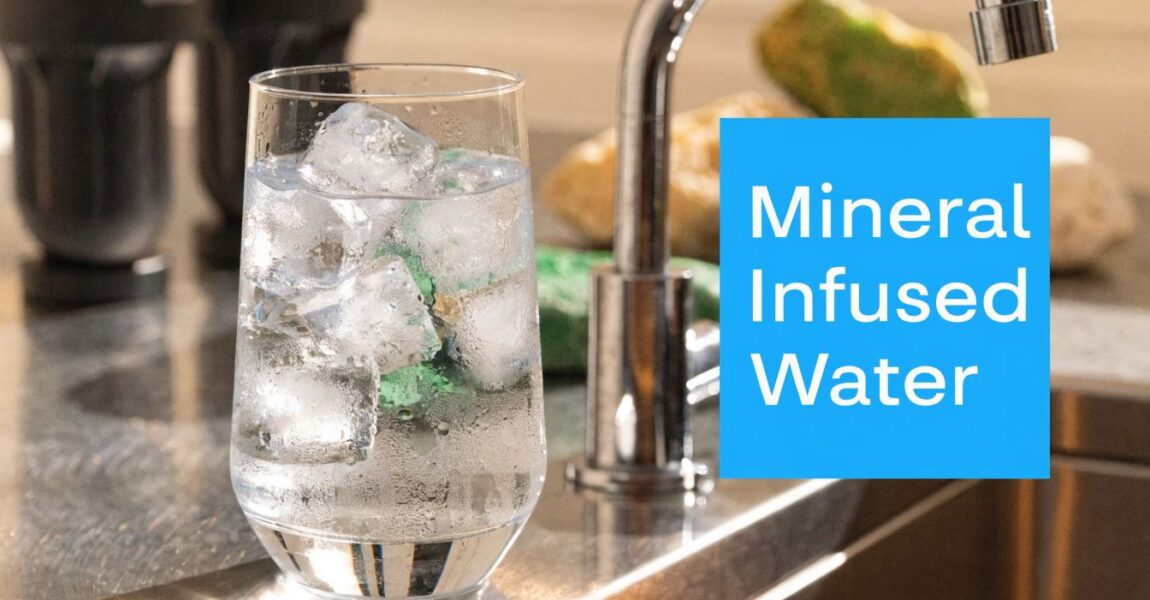
A refreshing glass of cold water with ice cubes sits on a surface near green foliage.

That matters more than most homeowners think. A filtration system only helps if people use it. If your kids reach for juice because the RO water tastes lifeless, or if you keep buying bottled water because your filtered water feels dull, the system isn’t delivering its full value.

What better taste actually feels like

When remineralization is done well, the change isn’t dramatic in a flashy way. It’s subtle and immediate.

People often notice:

  • A cleaner finish instead of a blank one
  • More body on the tongue
  • Less sharpness in plain drinking water
  • Better extraction in coffee and tea
  • More natural flavor in soups, rice, and pasta

Water isn’t supposed to taste like minerals in a strong, chalky sense. Good remineralized water tastes balanced, not “fortified.”

Calcium and magnesium don’t do the same job

Mineral choice becomes practical.

The World Health Organization suggests minimum levels of about 20-30 mg/L of calcium and 10 mg/L of magnesium in drinking water for health and taste, as summarized in this remineralization overview from Waterdrop.

Those minerals affect your experience in different ways.

Calcium and the rounder taste profile

Calcium tends to make water feel smoother and more settled. If you like bottled waters that taste soft and mellow, calcium often drives that preference.

It can also make cooked foods feel more familiar. Water used for boiling grains, simmering soups, or making tea doesn’t seem as stripped.

Magnesium and the crisp finish

Magnesium often adds the “spark” that keeps water from tasting sleepy.

In many homes, that translates into better-tasting black coffee and tea. It can also make cold drinking water feel more refreshing, especially if your plain RO water tasted empty.

If your goal is lively taste, don't ignore magnesium. Many homeowners focus only on calcium and miss the mineral that often makes the water feel more refreshing.

The pH benefit is practical, not trendy

A lot of marketing around “alkaline water” gets overblown. In a home RO system, the more useful point is simpler: remineralization often helps move water away from that slightly acidic edge and toward a more balanced profile.

That can help in two ways.

First, the water generally tastes better. Second, balanced water is often gentler on plumbing contact surfaces than highly demineralized water. Homeowners don’t need to obsess over pH numbers every week. They just need to understand that adding minerals back can improve stability as well as flavor.

Here’s a quick visual explanation before the practical takeaway.

Health support is about contribution, not magic

Remineralized RO water isn’t a multivitamin. It won’t replace a healthy diet.

But it can help restore minerals that plain RO removes, and that has value for people who drink filtered water all day. It also makes sense for families who want their drinking water to contribute something useful instead of being nutritionally blank.

That’s one reason many wellness conversations now put more emphasis on overall hydration habits instead of just volume. If you’re thinking about the bigger picture, this piece on prioritizing hydration gives helpful lifestyle context.

Where homeowners usually land

Most families don’t need extreme alkalinity or a complicated mineral recipe.

They usually want water that:

  • tastes clean
  • feels pleasant to drink all day
  • supports coffee, tea, and cooking
  • avoids the stripped taste of plain RO

That’s exactly where a well-chosen remineralization stage shines.

Remineralizing RO Compared To Other Filtration Systems

Homeowners usually compare the wrong things. They ask whether RO is better than a pitcher filter, or whether alkaline water is better than filtered water. The more useful question is this: which system gives you the mix of purity, taste, and practicality your home needs?

The biggest dividing line is contaminant removal.

RO membranes remove divalent ions like sulfate and calcium at 95-98% rejection and heavy metals at more than 99%, while standard carbon filters improve taste but do not remove dissolved solids or heavy metals, according to the FDA reverse osmosis technical guide.

That’s why carbon filters and RO systems aren’t direct substitutes. They solve different problems.

The simplest way to think about the options

A standard carbon filter is mostly a taste and odor tool. It’s useful when chlorine is your main complaint.

Plain reverse osmosis is a purification tool. It’s what you choose when you want stronger protection against dissolved contaminants.

RO with remineralization is a finishing system. It aims to keep the purification strength of RO while improving the final drinking experience.

Filtration System Comparison

Feature Standard Carbon Filter Plain Reverse Osmosis RO with Remineralization
Contaminant removal Good for chlorine, odor, and basic taste issues Strong dissolved contaminant reduction Same core RO purification with a final mineral stage
Mineral impact Usually leaves minerals in place Removes most dissolved minerals Removes first, then adds selected minerals back
Taste profile Better than untreated chlorinated water, but depends on source water Very clean, but can taste flat Cleaner taste with more body and balance
pH effect Usually little change Can feel slightly sharp or thin Often tastes more neutral or smoother
Best fit Homes with minor municipal taste issues Homes prioritizing maximum purity Homes wanting purity plus better daily drinkability
Maintenance style Simpler filter changes More stages to maintain Similar to RO, plus a remineralization cartridge

Plain RO versus RO with minerals

This is the comparison that matters most for serious buyers.

If your main priority is getting dissolved contaminants out of the water, both systems rely on the same core RO process. The difference appears after purification.

Plain RO gives you highly stripped water. Some people like that. Many don’t.

RO with minerals gives you a more finished result. It doesn’t make the water “less filtered” in the everyday sense. It polishes the taste profile after the hard work is done.

Homeowners often frame this as purity versus taste. A good remineralization stage lets you have both.

What about alkaline filters

Alkaline filters are popular because the concept is easy to market. But not every alkaline system is doing meaningful purification.

Some alkaline pitchers and cartridges mainly raise pH or add small amounts of minerals without offering the deep contaminant reduction that an RO membrane provides. If your concern is chlorine taste alone, that may be enough. If your concern includes lead, arsenic, nitrates, or high dissolved solids, it usually isn’t the same class of solution.

That’s why “alkaline” shouldn’t be the first word you shop by. Purification method should come first. Mineral finishing comes second.

Where each option wins

  • Carbon filters win on simplicity. They’re easy for renters and fine for light taste correction.
  • Plain RO wins on uncompromising purity. It’s the stripped-down technical solution.
  • Reverse osmosis with minerals wins on everyday satisfaction. It’s often the best fit for homeowners who want excellent water and actually want to enjoy drinking it.

The table makes the trade-offs look neat. Real homes aren’t always neat. Some people only need a carbon filter. Some need full RO. But when a homeowner wants cleaner water without the lifeless taste, remineralizing RO is usually the most complete answer.

Your 2026 Buyer's Guide To Remineralizing RO Systems

Shopping for an RO system gets confusing fast because product pages love buzzwords. “Alkaline.” “Mineral boost.” “Natural infusion.” Those phrases don’t tell you much.

What matters is the hardware, the cartridge design, and whether the system fits your water and household habits.

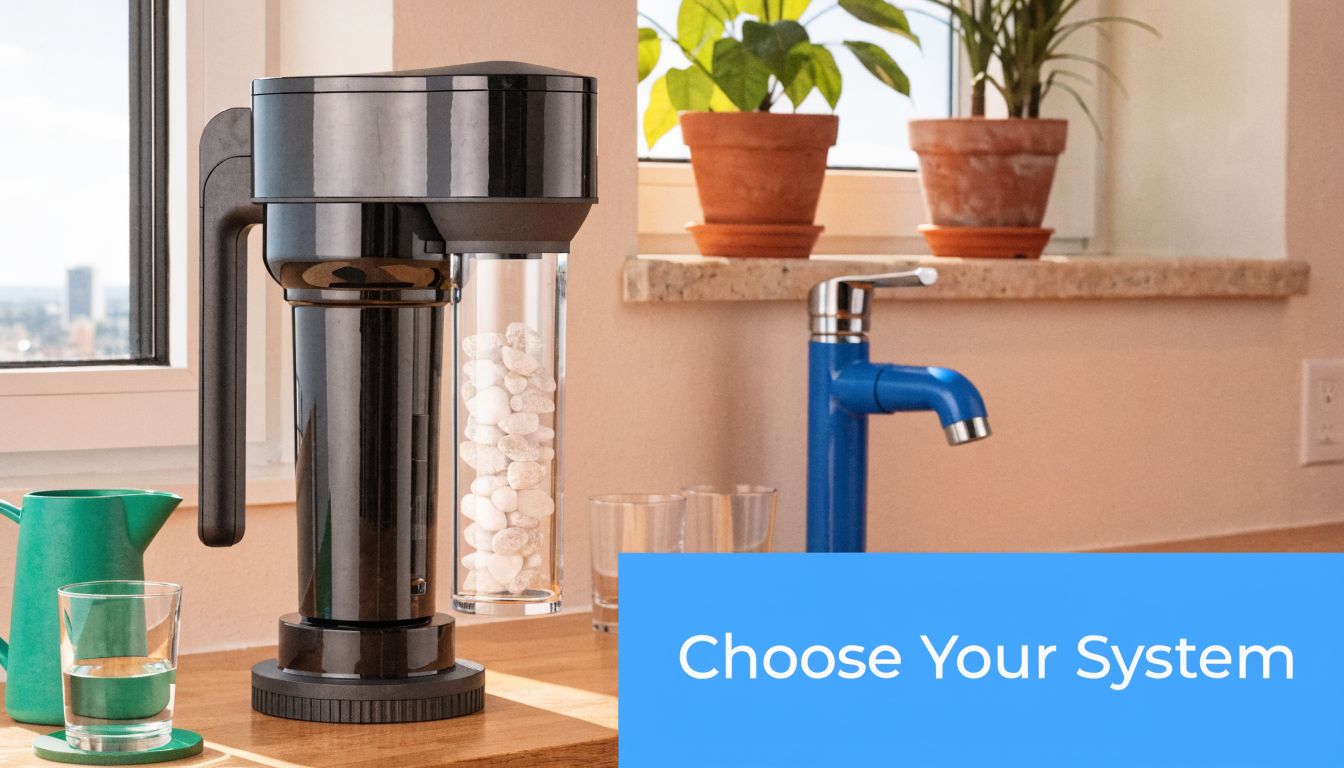
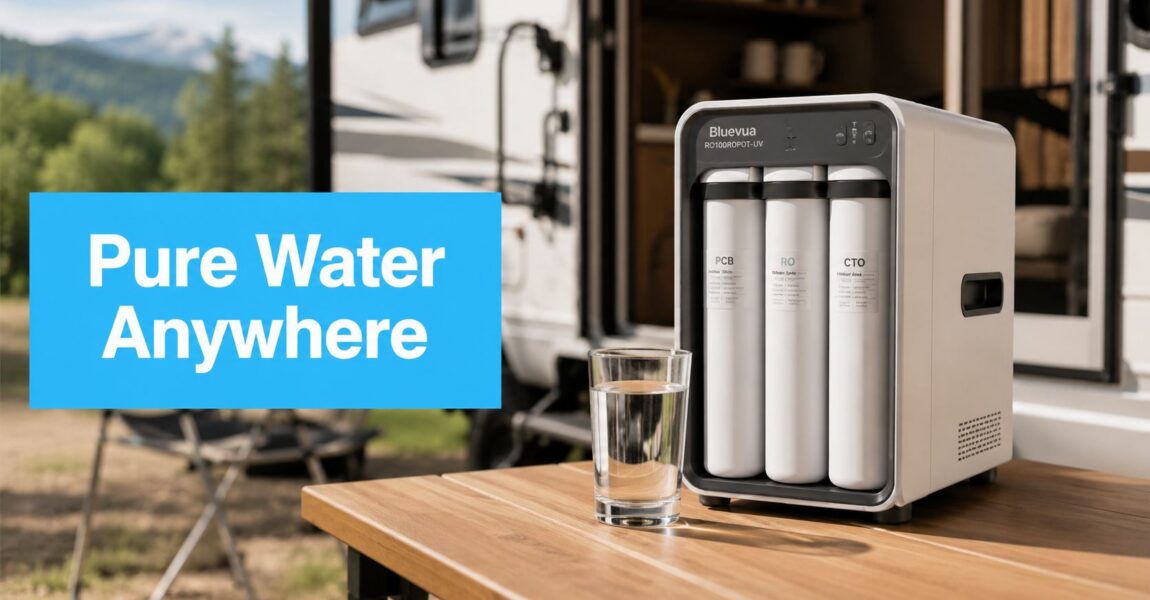
A modern black countertop water filtration system with a mineral infusion chamber next to a blue faucet.

Tankless or tank based

This is one of the biggest current choices.

Emerging tankless RO systems, noted as popular in 2026, often include integrated remineralization, offer flow rates up to 1000 GPD, and use 2:1 drain-to-pure water ratios that reduce water waste by over 50% compared with older tank systems, according to Culligan’s remineralization guide.

That sounds great, but capacity alone shouldn’t decide the purchase.

Why homeowners like tankless systems

  • They save under-sink space. No storage tank means a cleaner cabinet layout.
  • They often feel more modern. Many include filter-life indicators and integrated cartridges.
  • They can deliver water quickly. That’s appealing in busy kitchens.

Why tank systems still appeal to some buyers

Traditional RO systems can still make sense when a homeowner wants a straightforward design and doesn’t mind the storage tank footprint. Some people also prefer a setup with simpler, more modular parts.

The right choice depends on your cabinet space, your tolerance for maintenance style, and whether you value compact design over familiarity.

Check the mineral stage, not just the membrane

A lot of buyers inspect the RO membrane and ignore the remineralization cartridge. That’s a mistake.

Look for clear answers to these questions:

  • Which minerals are added back? Calcium only feels different from a calcium-magnesium blend.
  • What taste are you aiming for? Softer and rounder usually points one way. Crisp and lively points another.
  • Is the mineral stage separate or integrated? A dedicated post-filter can make replacements more straightforward.
  • Does the system explain its target water profile clearly? Vague promises usually mean vague results.

Match the mineral profile to your home

Here, smart buying beats flashy buying.

If your source water was very hard

You probably installed RO to get away from that heavy mineral taste and scale-forming feel. In that case, go with a gentler remineralization approach. You want balance, not a return to “thick” tasting water.

If your source water was soft and bland

A stronger calcium-magnesium blend may help more. You’re not trying to erase harshness. You’re trying to build character into the glass.

If coffee and tea matter a lot in your house

Don’t choose a cartridge blindly. Look for a blend that doesn’t rely only on calcium. Many people who care about brewed drinks prefer some magnesium contribution.

A short buyer checklist

Use this list when comparing systems side by side.

  • Look for NSF or ANSI clarity. Certifications matter because they help you separate broad marketing claims from tested filtration performance.
  • Read replacement details carefully. A good system becomes annoying fast if filter changes are confusing or proprietary.
  • Study the post-filter design. The remineralization stage should feel like a real part of the system, not a vague add-on.
  • Check installation fit. Some homes have tight sink cabinets, unusual plumbing layouts, or limited access.
  • Use practical research. If you want more plain-English buying help, the guides at https://www.waterfilteradvisor.com/advice/ are a useful place to compare system types and maintenance considerations.

Buy the system that fits your water and your habits, not the one with the most dramatic label on the box.

Installation Costs And Long-Term Maintenance Schedules

This is the part many buyers underestimate. They compare purchase prices and forget that filters are a living cost, not a one-time event.

A remineralizing RO system has the same basic ownership rhythm as a standard RO unit, plus one extra consumable. That extra stage usually isn’t difficult to live with, but it does need to be on your radar.

What installation usually involves

For most homes, a drinking-water RO system installs under the kitchen sink. The job often includes a feed connection, drain connection, dedicated faucet, and enough tubing space for the filtration stages.

If you’re comfortable with basic plumbing, some systems are manageable as a DIY project. If your sink area is cramped, your plumbing is older, or the system has a more involved layout, hiring a plumber can save frustration.

The key point is less about skill and more about fit. A roomy cabinet with standard plumbing is forgiving. A packed vanity-style sink base with awkward shutoffs is not.

The maintenance schedule that keeps systems happy

A homeowner gets the best results by treating maintenance as a calendar habit, not a “wait until it tastes weird” habit.

Pre-filters

Sediment and carbon pre-filters protect the membrane from the rough stuff coming in from the source water. When these clog up, the whole system can feel slower and less effective.

The RO membrane

The membrane is the heart of the system. If pre-filtration is neglected, membrane performance suffers sooner. If pre-filtration is handled well, the membrane usually has an easier life.

The remineralization cartridge

This filter is often forgotten because it sits at the end of the system and doesn’t seem as critical as the membrane. But if it’s exhausted, the water can drift back toward that flat, stripped taste that made you want remineralization in the first place.

A simple homeowner schedule often looks like this:

  • Check filters on a routine basis. Don’t rely only on memory if your system doesn’t have indicators.
  • Pay attention to taste changes. If water starts tasting dull again, the mineral stage may be spent.
  • Watch flow and fill time. Slower performance can signal a need for service.
  • Replace parts as the manufacturer directs. The exact timing varies by system design and your source water quality.

What actually drives long-term cost

The big ownership variables aren’t mysterious. They usually come down to:

Cost driver Why it matters
Source water quality Dirtier or harder water tends to stress filters faster
Filter design Proprietary cartridges can be convenient, but may limit shopping flexibility
Household usage Heavy daily drinking, cooking, and bottle-filling wear through consumables faster
Installation complexity A simple under-sink setup is easier to service than a crowded custom layout
Remineralization style Systems with a dedicated mineral stage add one more replacement item to the schedule

How to keep ownership simple

Most maintenance headaches come from neglect, not complexity.

Use a phone reminder. Keep replacement filters on hand before you need them. Label the install date on each cartridge if the system doesn’t track it for you. If several adults use the kitchen, make sure everyone knows where the shutoff is and what “normal” flow looks like.

A well-maintained RO system usually feels boring in the best way. It just keeps making water that tastes right.

For homeowners who like predictability, that's the main advantage. Once the system is dialed in, maintenance becomes a repeating household task, not an ongoing project.

The Final Word Is A Remineralizing RO System For You?

If you want the strongest home drinking-water purification and you also care about taste, reverse osmosis with minerals is hard to beat. It solves the main complaint people have with plain RO water by restoring some of the calcium, magnesium, or blended mineral character that makes water enjoyable.

It’s a strong fit for homeowners who want cleaner water for drinking, coffee, tea, and cooking without the flat finish of demineralized water. If you’re already considering RO, adding a remineralization stage is usually one of the smartest upgrades you can make.


If you’re comparing systems, replacement filters, or installation options, Water Filter Advisor is a practical place to start. It helps homeowners sort through certifications, filtration stages, maintenance needs, and product differences so you can choose a setup that fits your water, your kitchen, and your budget.

Your Ultimate Guide to Reverse Osmosis Filters for the Home

That weird chlorine taste in your tap water, cloudy ice cubes, or a scary news report about local contaminants—these are the moments that make homeowners hunt for a real solution. If you've hit that point, Reverse osmosis filters are the gold standard for getting refreshingly pure water right from your kitchen sink.

Think of an RO system like an elite security checkpoint for your water. It's designed to separate pure, clean water molecules from a whole host of impurities that simpler filters just can't catch.

Your Journey to Perfectly Pure Water Starts Here

At its heart, a reverse osmosis system uses a special, semi-permeable membrane that acts like a microscopic bouncer at the velvet rope. It lets pristine water molecules pass right through but tells a huge list of unwanted guests they're not on the list. This guide will break down how this powerful technology works in simple terms, so you can feel confident choosing the right system to take your home's water from questionable to outstanding.

The core idea is actually pretty simple. Basic sediment filters just block dirt, and carbon filters absorb chemicals like chlorine. Reverse osmosis, on the other hand, operates on a molecular level. It’s a process trusted not just in homes, but in high-stakes industries where purity is everything.

The Science Behind Superior Filtration

This isn't some niche gadget; it's a globally trusted solution for water treatment. In fact, the global market for reverse osmosis components was recently valued at $18.8 billion and is expected to shoot up to $32.0 billion with a powerful 11.2% annual growth rate. That boom shows just how many homeowners are waking up to water quality issues and realizing RO is the answer. You can dig into the numbers in this detailed industry report.

What makes this process so different is its ability to target contaminants other filters leave behind, like:

  • Dissolved Solids: Sneaky stuff like salts, nitrates, and fluoride that are chemically mixed in with the water.
  • Heavy Metals: Nasty elements you don't want anywhere near your family, including lead, arsenic, and chromium.
  • Microscopic Contaminants: This includes certain bacteria and even viruses that can easily slip past less advanced filters.

By removing up to 99% of total dissolved solids (TDS), an RO system delivers water that isn't just filtered—it's fundamentally purified. This is exactly why it's considered the best-in-class technology for home water treatment.

If you're curious about the science, exploring different types of laboratory water purification equipment can give you a fascinating look at how far water treatment has come. Our main goal here, though, is to give you all the knowledge you need to make a great decision for your family's health and hydration.

How Reverse Osmosis Filters Achieve Unmatched Purity

Think of a reverse osmosis filter system as a multi-stage fortress protecting your water. It’s not just one single barrier, but a series of specialized checkpoints. Each one is designed to stop a different kind of intruder, making sure only the purest H2O makes it to your glass.

This systematic process is what really sets RO apart from simpler filters. Every stage has a unique job, and they all work together to tackle everything from gritty sand to invisible chemicals. Let's walk through this purification journey, one stage at a time.

Stage 1: The Outer Wall of Defense

The first line of defense in a typical under-sink RO system is the sediment pre-filter. You can think of this as the fortress's big, sturdy outer wall, built to stop the most obvious invaders before they can cause any real trouble.

Its main job is to catch physical particles floating in your water. This includes stuff you might see, like rust flakes from old pipes, but also microscopic dirt, sand, and silt. By grabbing these larger particles first, the sediment filter protects the more delicate, complex filters that come next.

Without this crucial first step, the sensitive parts—especially the RO membrane itself—would get clogged up and damaged in no time. That would kill the system's efficiency and shorten its lifespan. It’s the unsung hero that keeps everything else running smoothly.

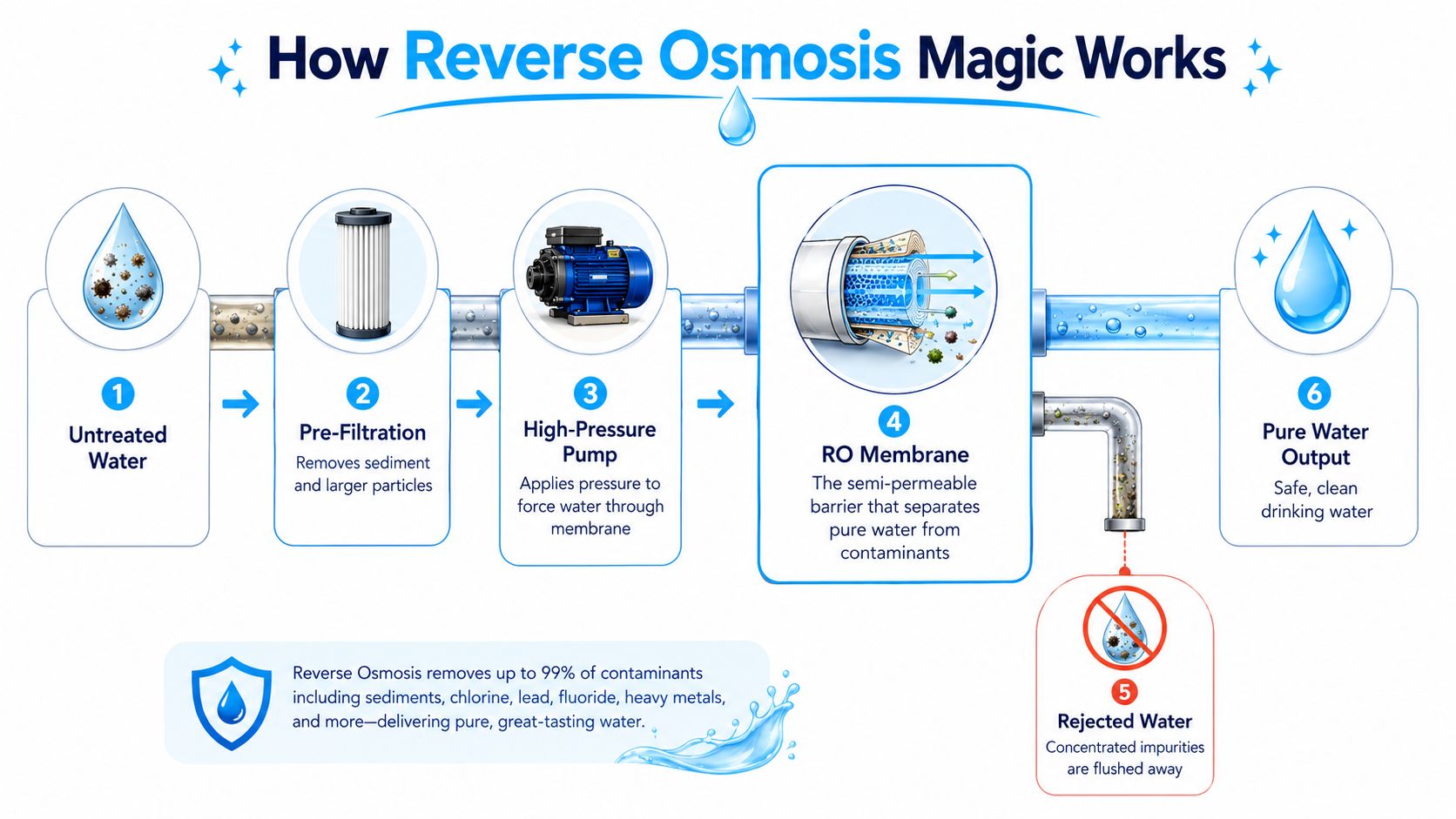
This diagram shows the simple but powerful journey your water takes from the tap to a pure, refreshing drink.

As you can see, regular tap water goes in one side and is completely transformed, coming out the other as exceptionally pure water.

Stage 2: Neutralizing Chemical Threats

After the water is cleared of physical debris, it hits the second checkpoint: the activated carbon pre-filter. This stage acts like a specialist guard trained to identify and neutralize chemical threats that mess with your water's taste and smell.

The number one target here is chlorine, which is used in most city water treatment plants. While it’s great for killing bacteria, chlorine leaves behind a distinct chemical taste and odor that most people don’t enjoy. The porous carbon material in this filter is a master at adsorbing chlorine molecules, trapping them to get rid of that "pool water" smell from your tap.

It also takes care of other volatile organic compounds (VOCs) and chemicals that can affect water quality. This is a vital step for making your water taste crisp and clean.

Stage 3: The Heart of the System

Now we're at the core of the whole operation—the reverse osmosis membrane. This is the high-security vault of our fortress. It's an incredibly fine, sophisticated barrier that separates pure water from a shocking range of contaminants.

This semi-permeable membrane has microscopic pores, only about 0.0001 microns in size. To put that in perspective, a human hair is about 70 microns thick! These pores are so tiny they pretty much only let water molecules pass through. Everything else—dissolved solids, heavy metals, salts, you name it—gets rejected and flushed down the drain in a wastewater stream.

This is where the system removes the most difficult and dangerous contaminants, including:

  • Heavy Metals like lead, arsenic, mercury, and chromium.
  • Dissolved Solids such as fluoride, nitrates, and salts.
  • Radionuclides including radium and uranium.

The power of this technology is undeniable. The RO membrane alone can achieve rejection rates exceeding 98-99% for most contaminants, delivering a level of purity that other filtration methods simply cannot match.

Stage 4: The Final Polish

Once water gets through the RO membrane, it's incredibly pure, but there’s one last step to make sure it's perfect. The carbon post-filter, sometimes called a "polishing" filter, provides the final touch.

As the purified water sits in the storage tank, it can sometimes pick up faint tastes or odors. The post-filter’s job is to scrub out any of those lingering flavors, ensuring the water that flows from your dedicated RO faucet is as fresh and delicious as it can possibly be. This final polish guarantees every sip is crisp, clean, and refreshing.

It’s this complete, multi-stage process that has made reverse osmosis such a dominant force in water purification. In fact, RO technology commands a 36.3% revenue share in a global membrane filtration market valued at over $19 billion. It has become a critical solution for households who are serious about their water quality. You can find more insights about the growing membrane filtration market in industry reports.

Finding the Right RO System for Your Home

Choosing the right reverse osmosis filter isn’t a one-size-fits-all deal. It’s about matching the system to your lifestyle, your living situation, and how much water your family actually uses. Think of this as a quick guide to finding the perfect match for your home, whether you've got a full house or a small apartment.

Let’s break down the most popular options out there. We’ll look at real-world scenarios to turn all the technical talk into practical benefits, making your choice a whole lot easier.

Under-Sink Reverse Osmosis Filters: The Kitchen Workhorse

For most homeowners, the under-sink reverse osmosis system is the go-to, and for good reason. These are the workhorses of home water purification, tucked neatly out of sight in the cabinet under your kitchen sink. They hook right into your cold water line and give you purified water from a dedicated faucet on your countertop.

This setup is perfect for families needing a steady, high-volume supply of pure water for drinking, cooking, and filling up water bottles. They do require a bit of plumbing for installation, but their convenience and performance are tough to top.

Countertop Models: The Flexible Solution

What if you're renting? Or maybe you just don't have the space—or the desire—to install something permanently under the sink. That’s where countertop reverse osmosis filters come in. These portable units are all about flexibility.

Countertop systems don't need any permanent installation. Most just connect to your kitchen faucet with an adapter, and some are standalone units with their own reservoirs you fill by hand. This makes them perfect for:

  • Renters: Get all the benefits of RO water without touching the plumbing.
  • Small Spaces: Great for apartments, dorm rooms, or even RVs where under-sink space is at a premium.
  • Simplicity Seekers: If you want pure water without the installation headache, this is your answer.

While they might produce water a bit slower than under-sink models, their plug-and-play simplicity is a huge plus for many people.

Tankless Systems: Modern On-Demand Purity

The latest innovation in home filtration is the tankless reverse osmosis system. These sleek, modern units get rid of the big storage tank and instead purify water on the fly, as you need it. This on-demand approach has some serious advantages.

First off, they take up way less space under the sink, which is a big deal for cabinet storage. Second, since water isn’t sitting around in a tank, there's less risk of any secondary contamination. Most importantly, tankless systems are often much more efficient, wasting less water during the filtration process.

For a busy family that wants a continuous flow of fresh, pure water and values space-saving design, a tankless system is an excellent investment. They represent the cutting edge of residential reverse osmosis filters.

The demand for high-quality water at home is booming. The global market for RO faucets alone was valued at $650 million and is expected to climb toward $1.05 billion. This jump shows that more and more cost-conscious families and DIYers are getting serious about contaminants like chloramine and iron in their tap water. You can learn more about the expanding residential RO market on statsmarketresearch.com.

Ultimately, picking the right system comes down to your priorities. For more help weighing your options, check out our guide on how to choose the best water filter for your needs. By thinking about your space, water usage, and how comfortable you are with installation, you can confidently pick a system that will serve your home well for years.

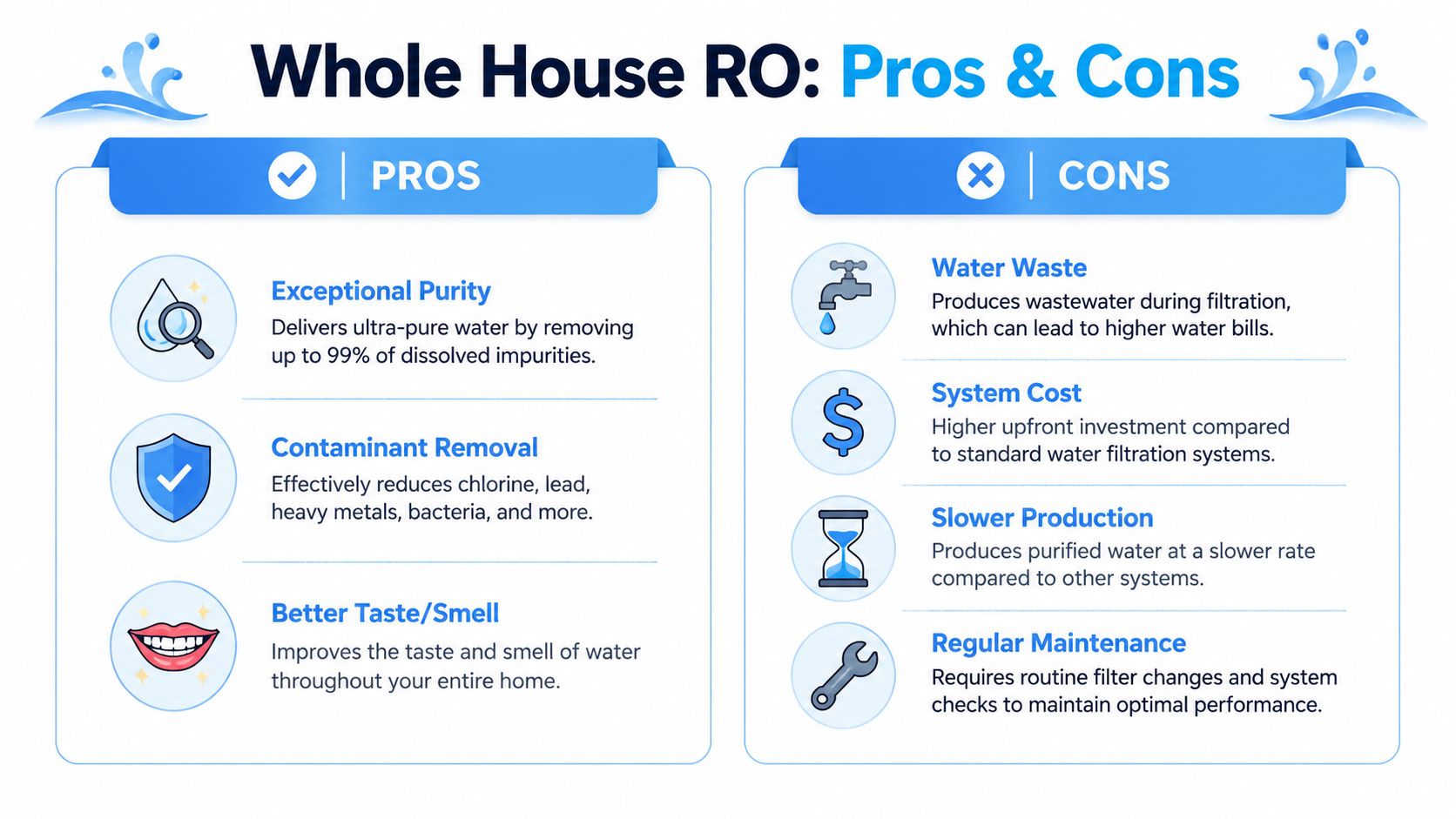
Weighing the Pros and Cons of RO Water

Jumping into the world of reverse osmosis filters is a big decision, so let's have a frank chat about what it’s really like to own one. While the upsides are huge, you absolutely need to know about the potential downsides. This way, you get the full picture and can figure out if an RO system is actually the right call for your home.

The benefits are compelling, changing more than just your water—they change your daily routines. From the way your morning coffee tastes to the confidence you have in every glass you drink, you'll notice the difference right away.

The Clear Advantages of RO-Purified Water

The biggest win here is the incredible purity. RO systems strip out up to 99% of total dissolved solids (TDS), delivering water that is squeaky clean. This has a direct impact on taste and smell.

You'll see a ripple effect in everything you cook and drink. Coffee and tea have a much richer, cleaner flavor without that hint of chlorine, and even your soups and homemade pasta will taste better. Ever wonder why your ice cubes are cloudy? It's from impurities freezing. Ice made with RO water, on the other hand, is crystal clear because there's nothing there to cloud it up.

Another major pro is the long-term savings. If you're a bottled water household, an RO system can pay for itself a lot faster than you'd think. You'll switch from spending dollars per gallon to just pennies, and you’ll drastically cut down on plastic waste. That's a huge victory for both your wallet and the planet.

Finally, you just can't beat the peace of mind. Knowing your water is being filtered to remove a long list of nasty contaminants—like lead, arsenic, fluoride, and chromium—gives you the confidence that you’re providing the safest, healthiest water possible for your family.

Addressing the Common Concerns

Look, no technology is perfect, and it’s important to tackle the cons head-on. The three biggest hang-ups people have with reverse osmosis filters are water waste, mineral removal, and the space they take up. Luckily, today's systems have some pretty slick solutions for all three.

A great side benefit of reverse osmosis is its power against hard water, which is infamous for leaving limescale everywhere. While an RO system prevents this from happening in the first place, if you’re already battling buildup, you might find some useful advice on how to remove limescale from your kettle, shower, and taps. This really puts into perspective how good RO is at stopping those mineral problems before they even start.

Let’s talk about the wastewater, or "brine." This is just the concentrated stream of rejected contaminants being flushed down the drain. Old systems were notoriously inefficient, but modern, high-efficiency models have come a long way, with many now at a much more respectable 1:1 ratio (one gallon of waste for every gallon of pure water).

For anyone wanting peak efficiency, a system with a permeate pump is the way to go. These little devices are game-changers, capable of reducing water waste by up to 80% and making your RO system way more sustainable.

Another fair point is that the RO membrane is so effective it removes almost everything, including beneficial minerals like calcium and magnesium. While we get most of these from our diet, some people just prefer the taste of mineral water. The fix is simple: add a remineralization filter. This is an optional final stage that adds a healthy mix of minerals back into the water after purification. You get pure water, then you get the good stuff back.

Quick Comparison: RO System Pros and Cons

To help you weigh everything at a glance, here’s a straightforward table that pits the benefits of a home RO filter system against its potential drawbacks and how to solve them.

Benefit Drawback Solution/Consideration
Superior Purity Wastewater Choose a high-efficiency model or add a permeate pump to reduce waste.
Improved Taste & Odor Mineral Removal Add an alkaline remineralization stage to reintroduce healthy minerals.
Cost Savings Space Required Tankless systems offer a compact, space-saving design for tight cabinets.

Ultimately, this table shows that for every common concern, there's a practical and accessible solution available, allowing you to customize a system that fits your needs perfectly.

Lastly, there’s the issue of space. Traditional under-sink systems use a storage tank that can eat up cabinet real estate. If you’re short on room, a tankless reverse osmosis system is a fantastic alternative. These sleek, modern units purify water on demand, getting rid of the bulky tank and freeing up precious space under your sink.

Mastering Installation and Maintenance

The thought of messing with plumbing can be a little daunting, but you'd be surprised how straightforward getting an RO system up and running can be. Let's walk through what it takes, figure out if this is a job for you or a pro, and then cover the simple routine to keep it working perfectly for years.

Think of it this way: you don't need to be a mechanic to change a tire. And you definitely don't need to be a master plumber to install many of today's user-friendly reverse osmosis filters. With a bit of confidence, you can handle this and enjoy pure water without a huge hassle.

DIY Installation vs. Calling a Professional

For anyone who's a little handy, installing an under-sink RO system is a great weekend project. Most kits are designed for DIYers, with clear instructions and color-coded tubing that pretty much eliminate the guesswork. If you know how to use a drill and a wrench, you're most of the way there.

But sometimes, calling in a professional is the smart play.

You should probably hire a plumber if:

  • You have granite, marble, or quartz countertops. Drilling the hole for the new faucet requires a special diamond-tipped bit and a lot of skill to avoid a very expensive crack.
  • Your under-sink plumbing looks ancient, is oddly configured, or you're just not feeling confident. A tiny mistake here can turn into a big, soggy problem.
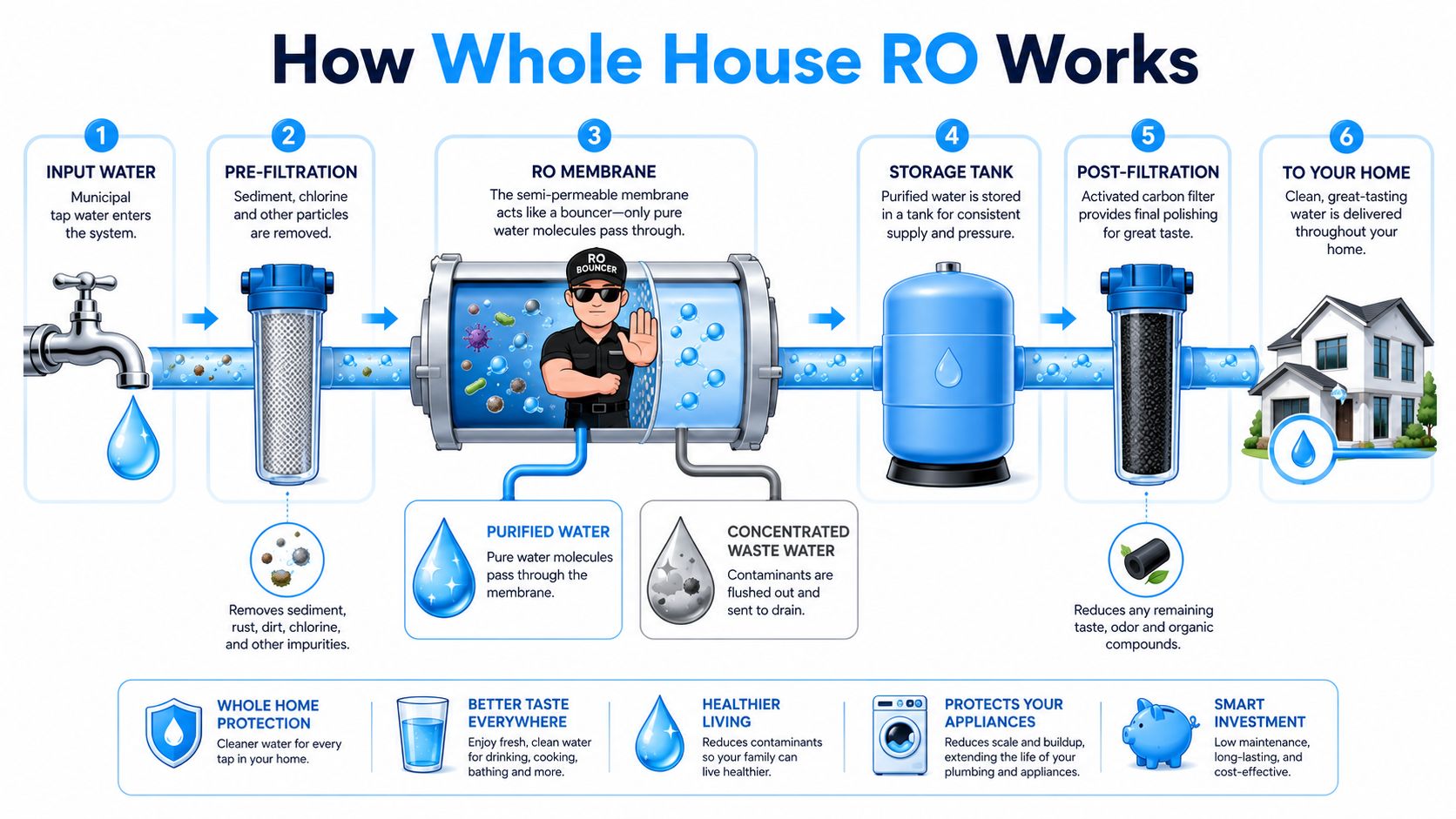
  • You're putting in a more complex setup, like a whole-house unit or one that includes a permeate pump. Those installations need a bit more plumbing know-how.

A professional install usually runs between $150 and $400, depending on where you live and what's involved. For many people, that cost is well worth it for the peace of mind that comes with a guaranteed, leak-free job.

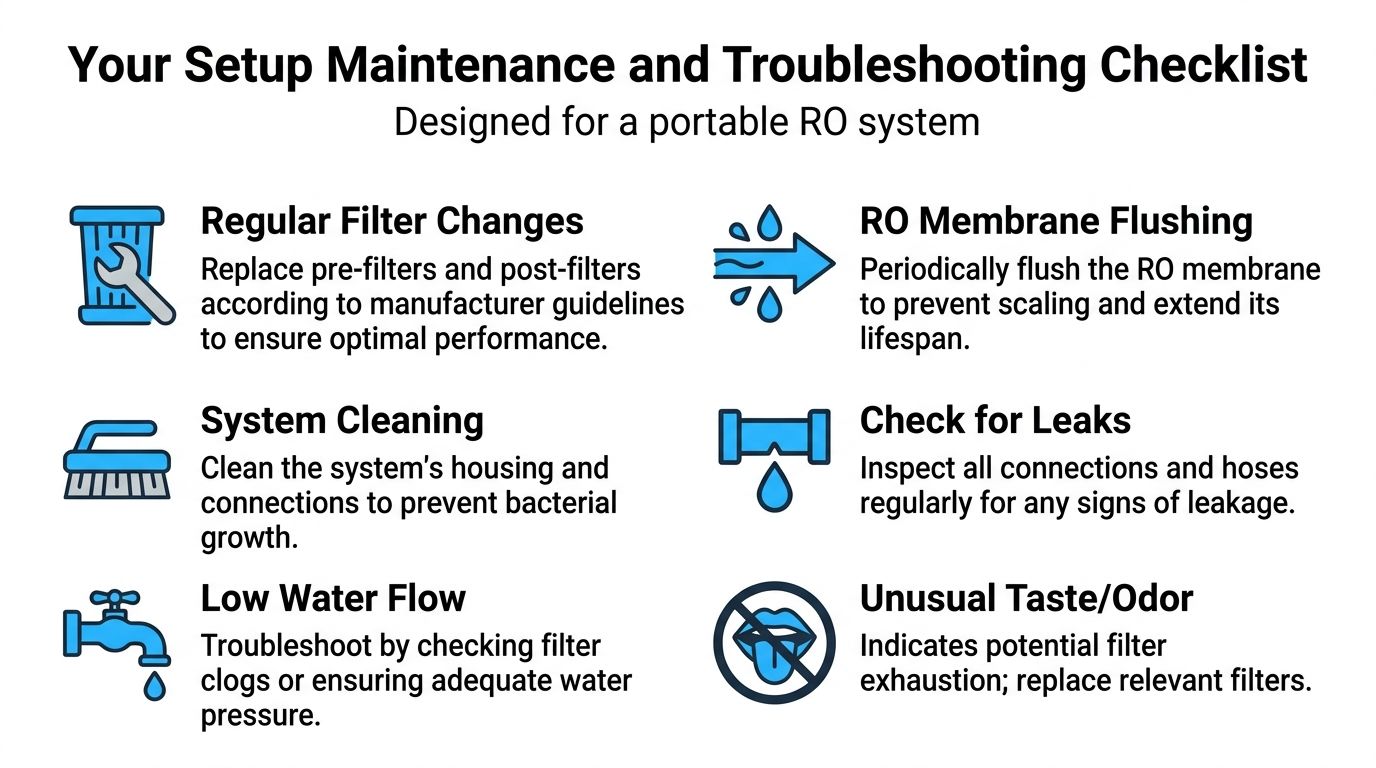
Your Simple RO Maintenance Schedule

Keeping your reverse osmosis system in peak condition really just comes down to one thing: changing the filters on time. If you ignore it, it's like never changing the oil in your car—performance will drop, and eventually, the whole thing will get clogged up and fail.

Following the schedule isn't just about water quality; it's about protecting the RO membrane, which is the most expensive and important part of the whole system.

Here’s a general timeline for a typical under-sink unit. Always double-check your owner's manual, though, as every system is a little different.

  • Sediment and Carbon Pre-Filters (Stages 1 & 2)
    • When to Change: Every 6 to 12 months.
    • Why It Matters: These are the workhorses. They catch all the gunk and chlorine that would otherwise destroy the delicate RO membrane. If these clog, the membrane's life gets cut short, fast.
  • Reverse Osmosis Membrane (Stage 3)
    • When to Change: Every 2 to 3 years.
    • Why It Matters: This is the heart of the system. How long it lasts depends entirely on your water quality and how diligent you are about changing those pre-filters.
  • Carbon Post-Filter (Stage 4)
    • When to Change: Every 12 months.
    • Why It Matters: This is the finishing touch. It gives your water a final "polish" to make sure it tastes crisp and clean, removing any off-tastes it might have picked up in the storage tank.

That's really it. Sticking to this simple routine is the key to making your system last. It's a small task that ensures your family gets pure, fantastic-tasting water for years to come.

How to Choose a System You Can Trust

The market is flooded with reverse osmosis systems, all making bold claims. So how do you cut through the noise and figure out which one actually works?

The secret is to ignore the marketing hype and look for one thing: independent, third-party certification. This is the only real proof you have that a system can do what it says it can.

Think about it—an uncertified system is a complete gamble with your water quality. You’re just taking the manufacturer’s word for it. That's why certification isn't just a nice bonus; it's the most critical factor in your entire decision.

The Gold Standard: NSF/ANSI 58

When you're looking at RO systems, the seal of approval that matters most is NSF/ANSI 58. Consider this the ultimate guarantee of quality and safety. The National Sanitation Foundation (NSF) is a respected independent organization that puts water filters through the wringer to make sure they meet strict public health standards.

A system with an NSF/ANSI 58 certification has survived a whole battery of tests to confirm two vital things:

  • Contaminant Removal: The system has been proven to actually reduce specific contaminants like lead, chromium, fluoride, or arsenic down to safe levels. It's not just a claim; it's a tested fact.
  • Material Safety: Every single component that touches your water—from the tubing to the faucet—is made from safe materials that won't leach chemicals back into your clean water.

If a filter is missing this certification, you have no real assurance that it’s removing anything dangerous. You don’t even know if its own parts are safe. Making NSF/ANSI 58 your top priority is the smartest move you can make.

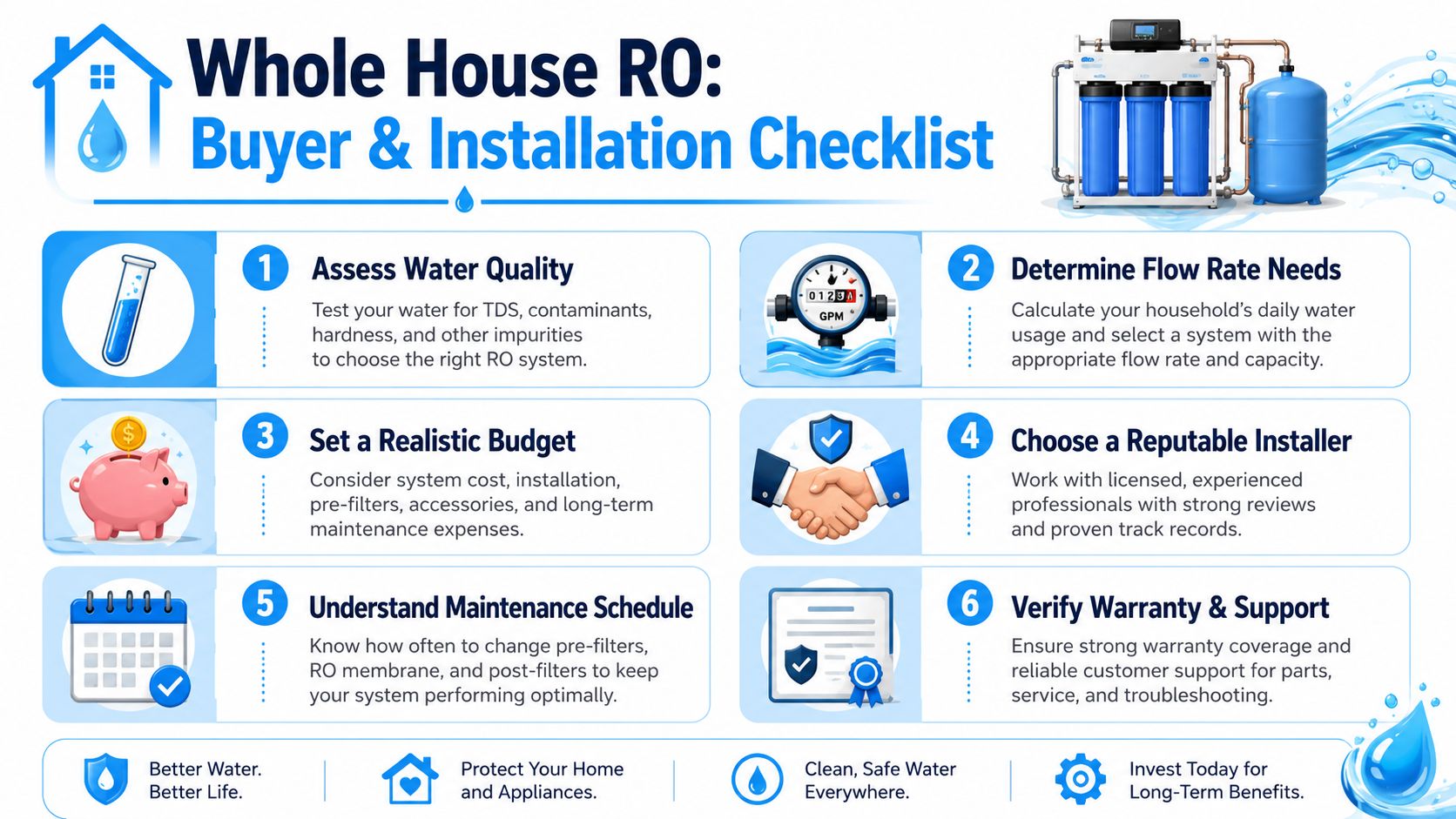
Your Essential Buyer's Checklist

Once you’ve confirmed a system has the right certification, you can start comparing the practical stuff. Use this simple checklist to narrow down your options and find the perfect fit for your home.

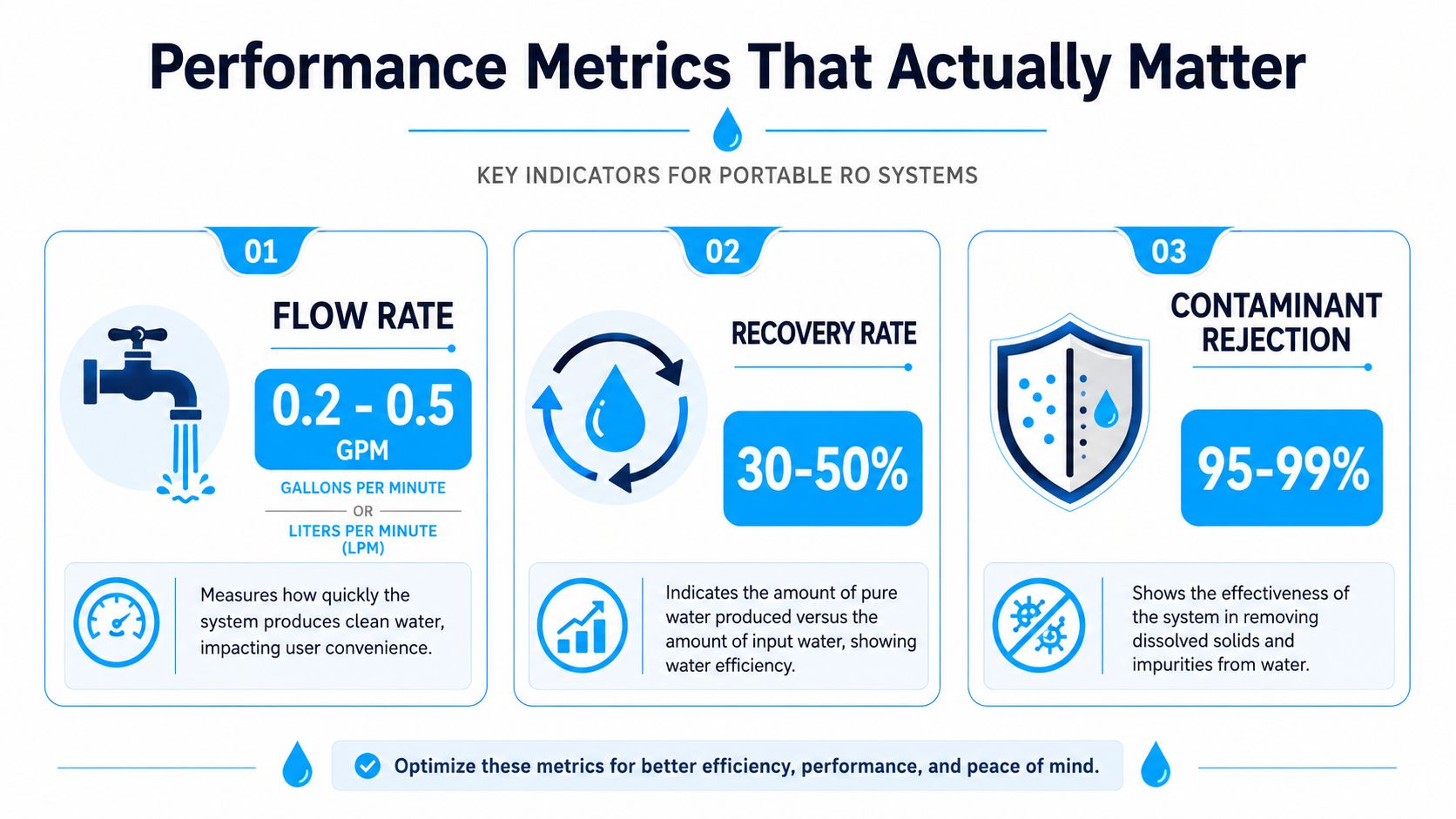
  1. Water Production Rate (GPD): This is measured in Gallons Per Day and tells you how fast the system makes pure water. For a typical family of four, a system rated for 50 to 75 GPD is usually more than enough.

  2. Water Waste Ratio: This tells you how much wastewater goes down the drain for every gallon of pure water produced. Look for modern, high-efficiency systems with a 1:1 or 2:1 ratio to save water and lower your utility bills.

  3. Filter Lifespan and Cost: Don't forget to check the replacement schedule and price for all the filters—the pre-filters, the post-filter, and the RO membrane itself. This is how you calculate the true long-term cost of ownership.

  4. System Type and Footprint: Do you have space under your sink for a traditional model with a storage tank? Or would a sleek, compact tankless system be a better match for your kitchen?

By starting with the non-negotiable proof of NSF certification and then using these checkpoints, you'll be able to make a smart, confident choice. You’ll end up with a system that truly delivers safe, pure water for your family.

Your Top Questions About Reverse Osmosis Filters

It makes sense you’ve got questions. Deciding to upgrade your home’s water is a big deal, and you want to get it right. Let's tackle some of the most common things homeowners ask about reverse osmosis filters so you can feel totally confident moving forward.

We'll clear up the biggest concerns we hear, from mineral content to water waste.

Do Reverse Osmosis Filters Get Rid of Healthy Minerals?

Yes, they do. The reverse osmosis membrane is so effective that it pulls almost everything out of the water—and that includes beneficial minerals like calcium and magnesium. This is a big point of confusion for a lot of people.

But here’s the thing: we get the vast majority of our essential minerals from food, not water. If you want the best of both worlds (ultra-clean water and minerals), the fix is easy. Many RO systems now offer a remineralization filter that adds those healthy minerals right back in before the water hits your glass.

How Much Water Do RO Systems Really Waste?

This is probably the #1 question we get, and it’s a good one. Old-school RO systems had a bad reputation for being water hogs, sometimes flushing several gallons down the drain just to make one gallon of pure water.

Luckily, the technology has improved dramatically. Modern high-efficiency systems have seriously cut down on waste, with many hitting a much friendlier 1:1 ratio. That means for every gallon of purified water you get, only one gallon of wastewater (called brine) goes down the drain.

Want to save as much water as possible? Look for a system with a permeate pump. This nifty device can slash water waste by up to 80%, making your whole setup incredibly efficient.

Can I Hook My RO Filter Up to My Fridge?

Absolutely! This is one of the most popular and practical upgrades you can make. Most under-sink RO systems connect to your refrigerator's water line and ice maker with a simple kit.

It’s a game-changer. You get convenient, amazing-tasting water and crystal-clear ice cubes, finally free of that funky chlorine taste from regular tap water.

Is Reverse Osmosis Water Safe for Everybody?

For the overwhelming majority of people, water from a properly certified RO system is incredibly safe and healthy to drink. It’s still one of the most powerful ways to remove a massive list of nasty contaminants from your water.

The only time to think twice is if you've been given specific medical advice to avoid demineralized water. Even in those rare cases, grabbing a system with a remineralization stage is the perfect solution. Everyone can enjoy the benefits safely.


Ready to take your home's water from just "okay" to truly exceptional? The experts at Water Filter Advisor have created in-depth guides, honest reviews, and practical advice to help you find the perfect reverse osmosis system for your family. Check out your options and start your journey to better water today at https://www.waterfilteradvisor.com.

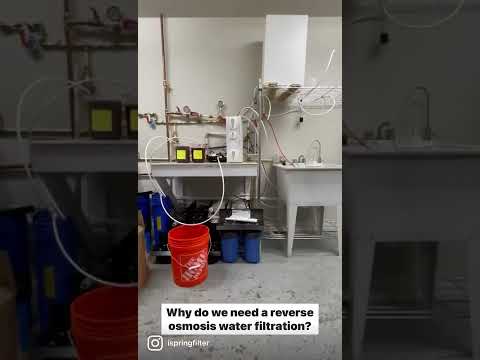
Why would I need a reverse osmosis system?

Why would I need a reverse osmosis system?


Why would I need a reverse osmosis system? Does a reverse osmosis water filter system really work?

Let’s see why you need a water filtration system at home.

System in the video: iSpring RO500 tankless reverse osmosis water filter system:

iSpring Water Systems is a water filtration company specializing in creating efficient clean water solutions for a variety of residential and commercial needs.

Our products include residential and commercial reverse osmosis (RO) systems, whole house water filtration systems, ultrafiltration systems, under sink filter systems, and countertop water filters. We also carry a variety of consumer products such as shower filters, faucets, various filter cartridges, and connector fittings. View our complete line of products and visit our knowledge base for product buying guides and tips in order to choose the right solution for your home or business.

Connect with us:
• Facebook –
• Instagram –
• Website –
• Amazon Store –

#ispringwatersystems #reverseosmosiswaterfiltersystem #reverseosmosis

Original Video Source

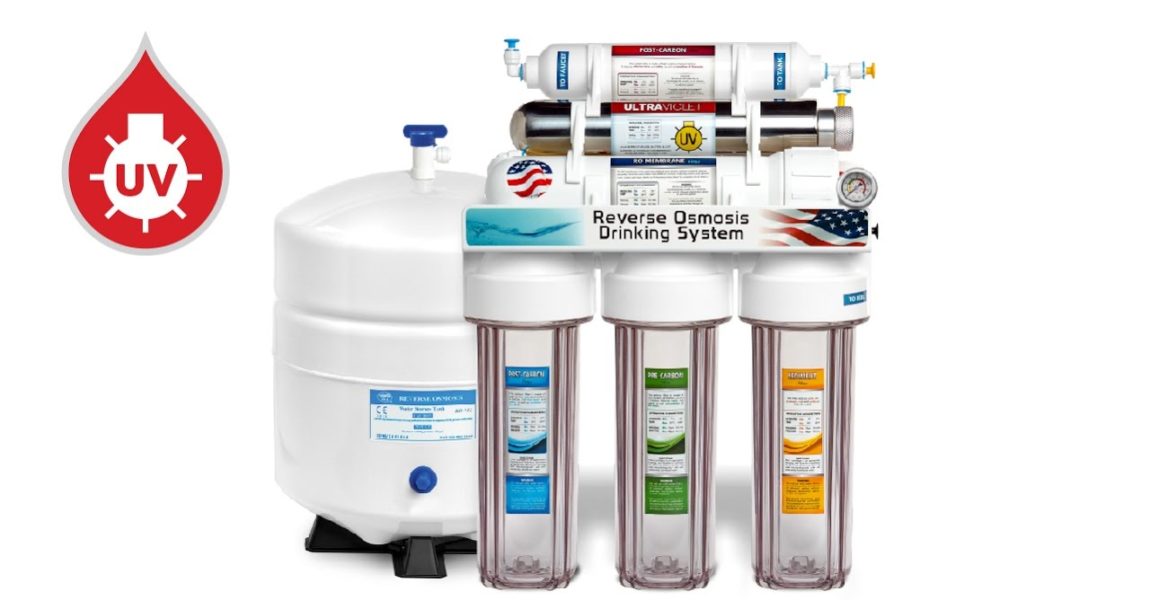
Express Water UV ULTRA-VIOLET Sterilizer Reverse Osmosis Home Drinking Water Filtration System

Express Water UV ULTRA-VIOLET Sterilizer Reverse Osmosis Home Drinking Water Filtration System


We build each system with a simple belief…that you should have fresh, great tasting, purified drinking water at home. Our UV system uses real reverse osmosis purification and removes up to 99.99 percent of contaminants including arsenic, chlorine, lead, fluoride, heavy metals, bacteria, and 1000+ other contaminants.

www.ExpressWater.com

Follow us for updates on specials and other exciting news, tips, and more.
Facebook: /ExpressWaterUSA
Twitter: @ExpressWaterUSA
Instagram: @ExpressWater

Original Video Source

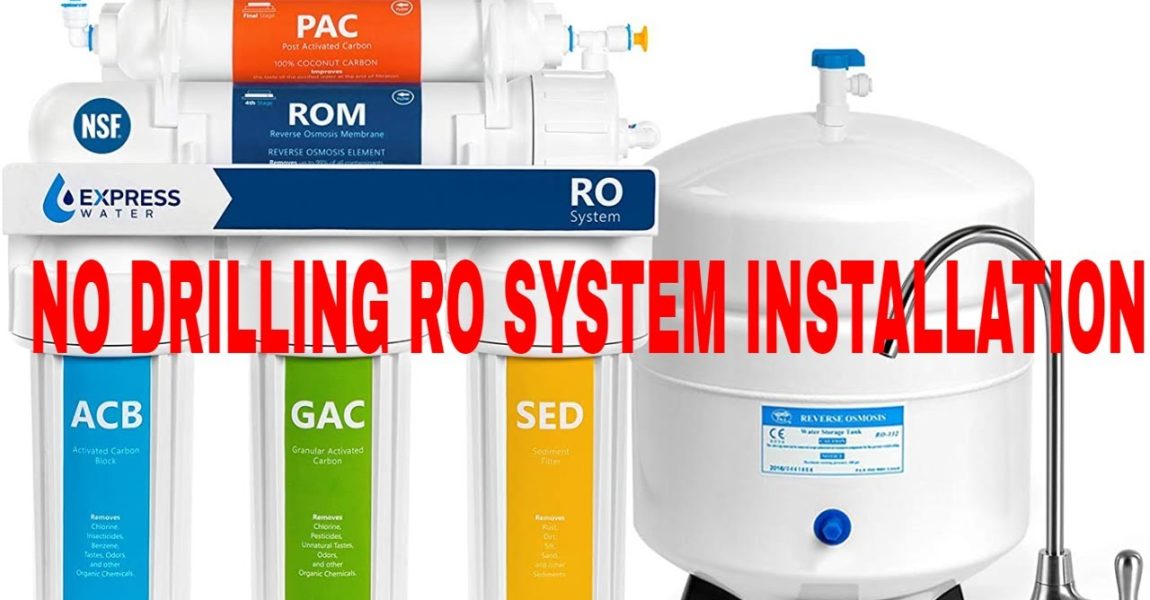
5 Stage Express Water Reverse Osmosis Water Filtration System easy how to installation No Drilling

5 Stage Express Water Reverse Osmosis Water Filtration System easy how to installation No Drilling


DIY 5 Stage Express Water Reverse Osmosis Water Filtration System easy how to installation No Drilling for the renters out there that cant go around drilling holes in pipes or granite sinks, a simple way to have it installed.

Express Water RO System Click here to buy:

TDS Meter Digital Water Tester – 3 in 1 ppm EC and Temperature Test Pen :

Well Water Test Kit for Drinking Water :

Visit my Affiliate Store :
my blog spot:
Hy Gear Below:
My gopro hero7 black
my Mavic mini drone
my camera Nikon COOLPIX P950
my phone tripod
my phone gimbal

MUSIC by:
No copyright music by sfxvalley
Channel link :

Original Video Source

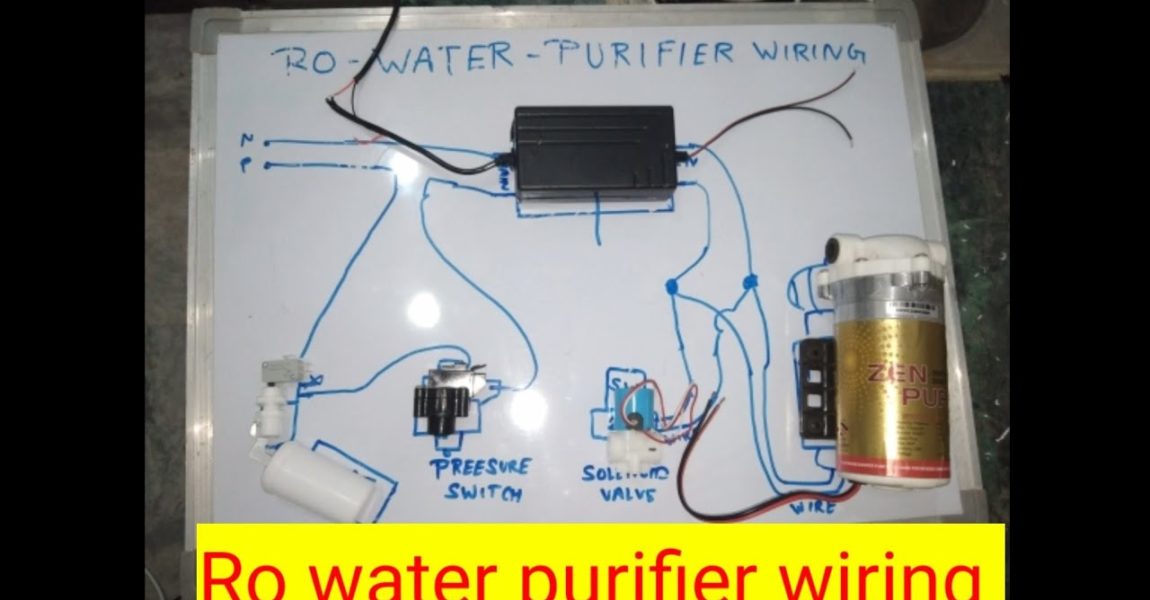
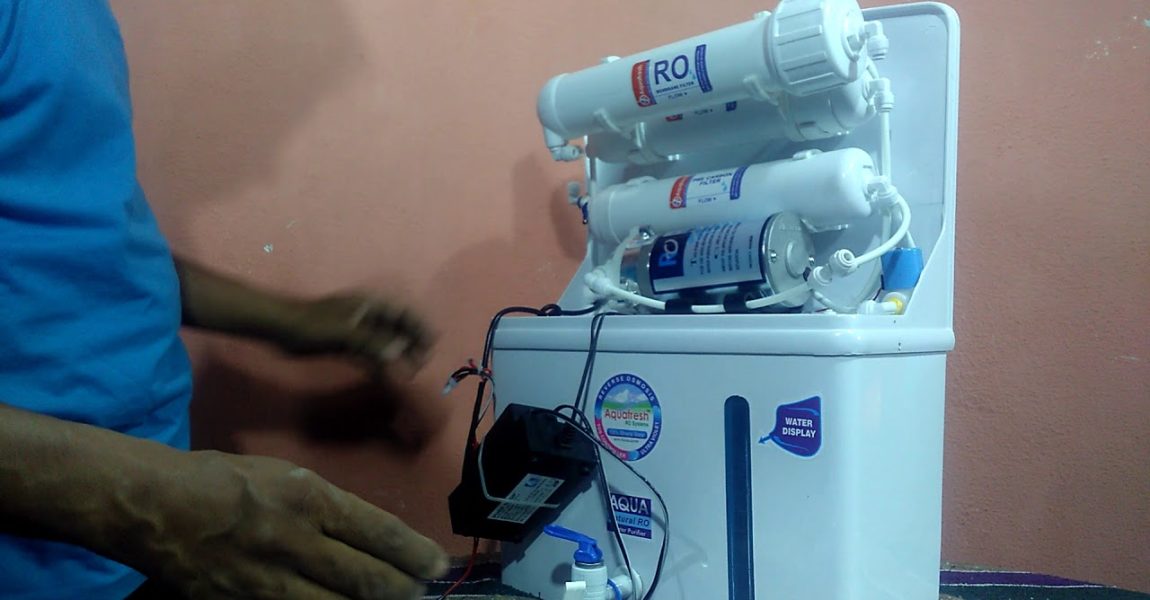
Ro water purifier wiring || ro water filter ki wiring kaise keep || wiring diagram

Ro water purifier wiring || ro water filter ki wiring kaise keep || wiring diagram


#ro #rowiring #rofilterwiring

purchase float switch click this link

purchase water filter use smps power supply click this link

Ro pump motor purchase click this link

buy best sv

buy pressure switch

is video mein main doston aapko water purifier ki wiring sikhaunga Kaise water filter ki wiring Karte Hain Auro water purifier ki wiring kaise karen please video mein Puri Jankari Di Jayegi sbk Sar kahan lagti hai pump ki tar kahan lagti hai SMPS ki wire ko kaise jode upload paalki wiring ko kaise jode pressure switch ko kahan per lagaen pressure switch ki wiring kaise karen aur WhatsApp ki electrical wiring Puri Karenge doston pura circuit banaenge

join my telegram channel

Original Video Source

How to assemble Reverse Osmosis Water Purifier ( RO+UV+UF+Mineral+TDS Controller)

How to assemble Reverse Osmosis Water Purifier ( RO+UV+UF+Mineral+TDS Controller)


For buying ro Booster pump AQ&Q –
Booster pump of Aquaguard:
Havells ro water Purifier-

Nasaka Tulip N1 8 litre RO +UF ORPH Water Purifier –

RO Service Kit –

Vontron ro membrane –

Nano Filtration Membrane –

Havells ro water purifier –

RO Pipe Cutter-
~~~~~~~~~~~~~~~~~~~~~~~~~~~
Colandas 13 Item Platinum Product Replacement Service Kit (100 GPD RO Membrane with Membrane Housing, MAHAAN Alkaline Filter) Suitable for All RO Water Purifier System –
~~~~~~~~~~~~~~~~~~~~~~~~~~~
Havells Max Alkaline 7-Liter RO+UV Water Purifier (Blue/White) –
~~~~~~~~~~~~~~~~~~~~~~~~~~~
DANIU HT106B Socket Outlet Tester Circuit Polarity Voltage Detector Wall Plug Breaker Finder RCD Test UK Plug-

Xiaomi Updated Smart Mi Water Purifier RO Reverse Osmosis Home Kitchen Water Filtration System App Control Water Quality Monitoring Health Water Filter-

5 Stage Reverse Osmosis Replacement Water Filter Set Household Water Purifier-

24V 1/4 Inch RO Water Purifier Inlet Water Solenoid Valve 2 Electromagnetic Valve for RO Reverse Osmosis Pure System – bit.ly/3aEFaPq

5 Stage Home Drinking Set Reverse Osmosis Office Water Filter RO Purifier System –

Sanitizer Tunnel-

KENT Supreme 2020 (11111), Wall Mountable, RO + UF + TDS Control + UV in Tank, 8 L Tank, White, 15 LPH Water Purifier –

Original Video Source