Best Portable Water Filter for Travel: A 2026 Guide
You’re standing at a sink in a guesthouse, staring at the tap like it might answer a question for you. The hotel says the water is “probably fine.” Your gut says maybe not. On another trip, it’s a trail stream that looks crystal clear until you remember that clear water and safe water aren’t the same thing.
That hesitation is why portable water treatment matters so much. It’s not just about avoiding a miserable travel day. It’s about removing one of the most common uncertainties on the road, whether you’re filling a bottle in a city apartment, a campsite, an airport bathroom, or a mountain hut.
For readers who usually think about filtration at home, travel gear can feel like a different world. The same core question still applies, though. What, exactly, are you trying to remove, and what’s the most practical way to do it where you’ll be using the water? The best portable water filter for travel isn’t a single product for everyone. It’s the one that matches your destination, your risk level, your patience, and the amount of water you need each day.
The Traveler’s Dilemma Safe Water Anywhere
I’ve seen travelers overpack jackets, underpack socks, and spend more time choosing packing cubes than choosing how they’ll drink water safely. Then the trip starts, and the first real test arrives fast. A refill station in a train station. A lodge with uncertain plumbing. A trailhead faucet with no obvious treatment information.
That’s when water filtration stops being a nice extra and becomes one of the smartest pieces of gear you can carry. A good portable system buys confidence. It also cuts down on the constant hunt for sealed bottles, which gets old fast on long trips.
The hard part is that “portable water filter” gets used as a catch-all term. Some products are ideal for clear backcountry streams. Some are better for questionable tap water abroad. Some are fantastic for families at camp and annoying for solo travelers moving all day. A few are tiny enough to forget in your pocket, while others earn their space by making lots of safe water with less effort.
Practical rule: If your trip includes uncertain water and limited backup options, water treatment belongs in the same mental category as first-aid basics and navigation tools.
That’s also why many experienced travelers build a small safety system rather than relying on one item alone. On remote trips, I think about water treatment the same way I think about signaling or emergency communication. If you’re planning marine travel or isolated adventure routes, an ACR rescue beacon is the kind of gear that fits the same mindset: low bulk, high consequence if you need it.
Understanding Contaminants Protozoa Bacteria and Viruses
A traveler filling a bottle from an alpine stream is dealing with one kind of problem. A traveler brushing their teeth from a hotel tap in a country with unreliable sanitation is dealing with another. The water may look equally clean, but the treatment plan should be different.
The useful way to sort travel water risks is by organism size and source. Protozoa are usually the easier target. Bacteria require finer filtration. Viruses are the category that forces a different buying decision, because many lightweight filters that work well outdoors do not address them.
Protozoa are often the outdoor starting point
Protozoa are larger waterborne pathogens, and many portable backcountry filters are built to remove them. On trekking routes, camping trips, and mountain travel, they are often part of the main risk calculation, especially where contamination comes from wildlife or upstream runoff rather than dense human settlement.
That matters because it explains why simple filter bottles, squeeze filters, and straw filters can perform well on some trips. If your water source is a stream, lake, or spring in a lower-risk wilderness setting, protection against protozoa and bacteria is often the main goal.
Bacteria raise the bar
Bacteria are smaller, so filter performance matters more. Pore size becomes the practical checkpoint. A filter that is adequate for sediment and larger organisms may not give the same margin of safety against bacterial contamination.
This is one reason experienced travelers read beyond marketing labels like "outdoor" or "survival." The question is what the filter is rated to remove and whether that matches the places you are going. Travelers who want a stronger grounding in those specs can compare treatment methods in this portable water treatment advice guide.
Viruses change the buying decision
Viruses are the dividing line that catches many travelers off guard. They are much smaller than protozoa and bacteria, so the common hollow-fiber filters used for hiking often are not enough on their own.
For international travel, urban travel, disaster zones, and destinations where sewage contamination is a realistic concern, viral protection moves from nice to have to sensible insurance. That usually means choosing a purifier, using chemical treatment alongside a filter, or carrying a UV system if the water is clear enough for it to work properly.
Filter versus purifier in plain English
Use this shortcut:
- Filter: Best for outdoor travel focused on protozoa and bacteria, especially in backcountry areas with lower viral risk.
- Purifier: Better for travel where viruses are part of the risk profile, including questionable tap water, roadside refills, and regions with weak sanitation infrastructure.
- Added treatment: Worth considering when water is silty, chemically contaminated, or uncertain enough that one method alone leaves gaps.
The practical takeaway is simple. Match the treatment method to the source, not the product category. A minimalist trail filter can be the right tool for one trip and the wrong one for the next, even if both fit in the same side pocket.
Decoding the Five Main Types of Portable Filters
You reach a guesthouse sink in one country, a mountain stream in the next, and a muddy roadside spigot a week later. The best portable water filter for travel changes with the source, the pace of the trip, and how much effort you want to spend getting each liter.
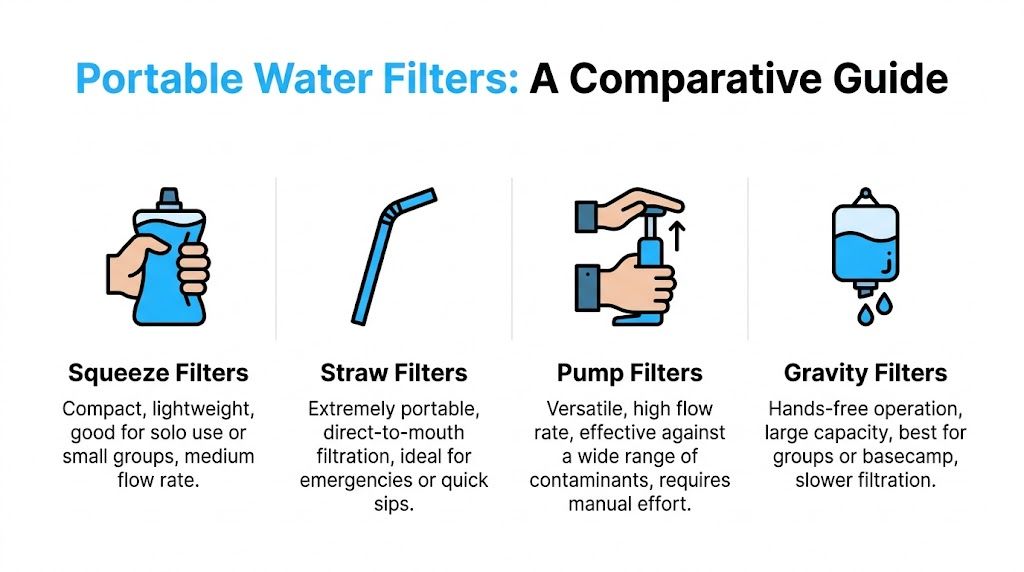
Most travel water treatment gear fits into five categories. The useful way to compare them is not by brand loyalty or marketing claims. It is by workflow. How do you collect water, how fast do you need it, how many people are sharing the system, and how bad is the source if the first plan fails?
Squeeze filters
Squeeze filters use a soft bottle or pouch. Fill it, thread on the filter, then squeeze water into a clean bottle, cook pot, or your mouth.
This is the light-and-fast option. It works well for solo travelers who care more about packed size than comfort at camp. On long days, the compromise shows up in your hands. Flow drops as the filter clogs, the pouch gets slippery or awkward, and filtering several liters in a row feels like a chore.
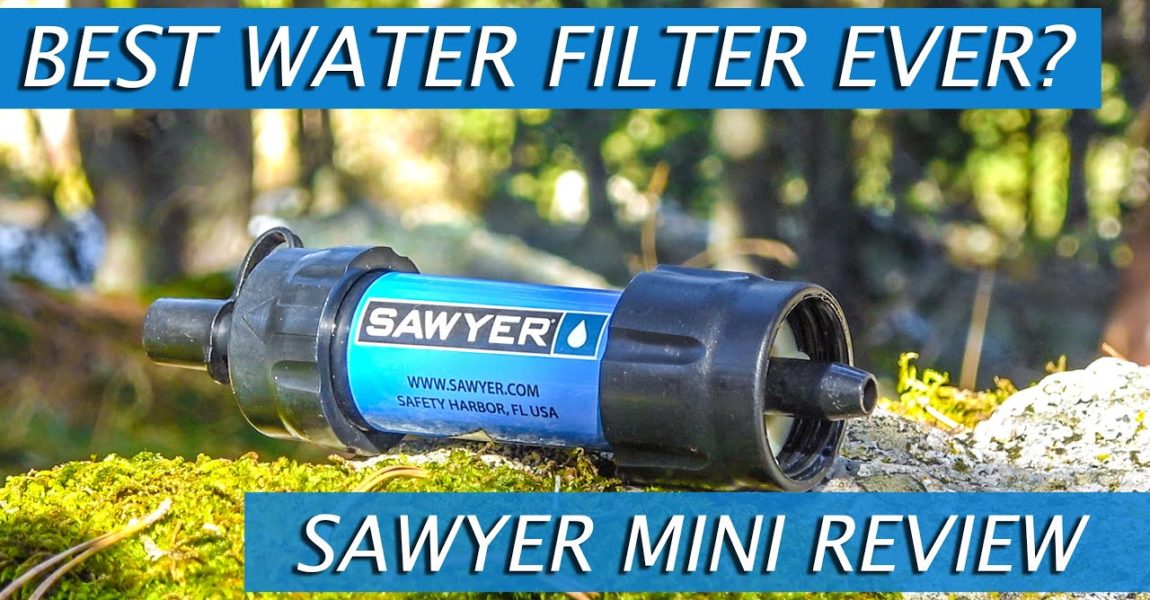
The Sawyer MINI is the product many travelers know in this category. Its appeal is simple: low weight, small size, and a long service life if you maintain it well. In real use, that makes sense for one person moving quickly, not for a tired group trying to fill dinner water before dark.
Best use case: solo hiking, ultralight packing, emergency backup, and trips where a compact setup matters more than speed.
What doesn’t work well: group use, silty water, and travel where virus protection is part of the plan.
Straw filters
Straw filters are even simpler. You drink directly from the source or from a bottle or cup.
That simplicity is both the benefit and the limitation. Straw filters are excellent as backups because they are tiny, cheap to carry, and fast to deploy. They are poor primary systems for most trips because they do not create a reserve of treated water for cooking, brushing teeth, or filling bottles before a bus ride.
I carry this type only when size matters more than convenience. For a short day hike or an emergency kit, that trade-off can be reasonable. For regular travel, it gets old fast.
Best use case: backup treatment, short hikes, minimalist kits, and emergency use.
What doesn’t work well: camp chores, family travel, and any trip where you want clean water ready before you need to drink it.
Pump filters
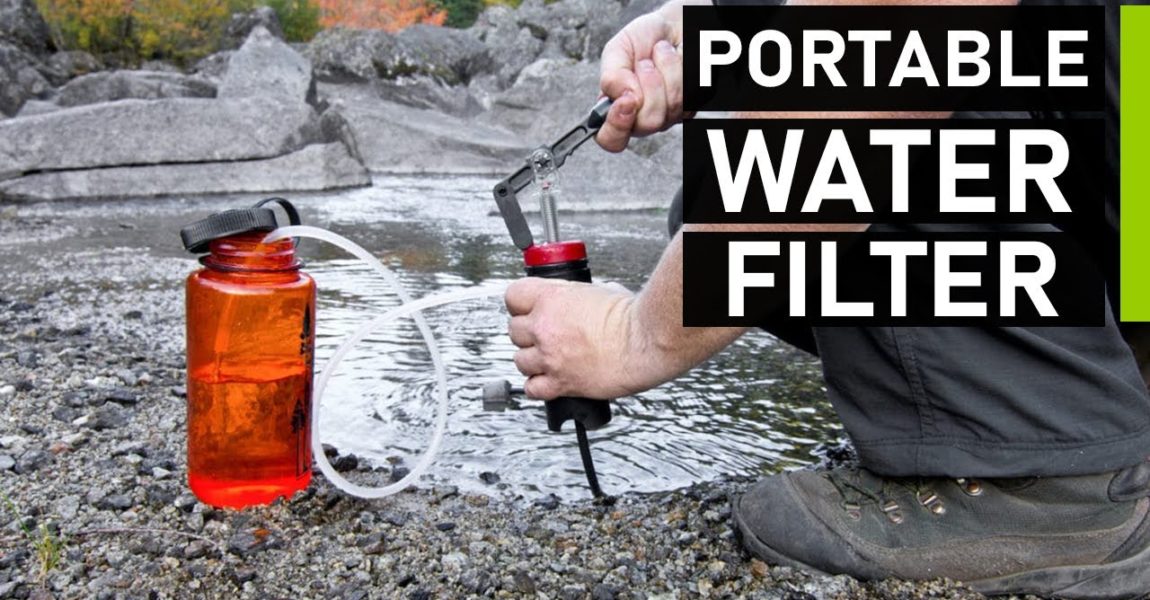
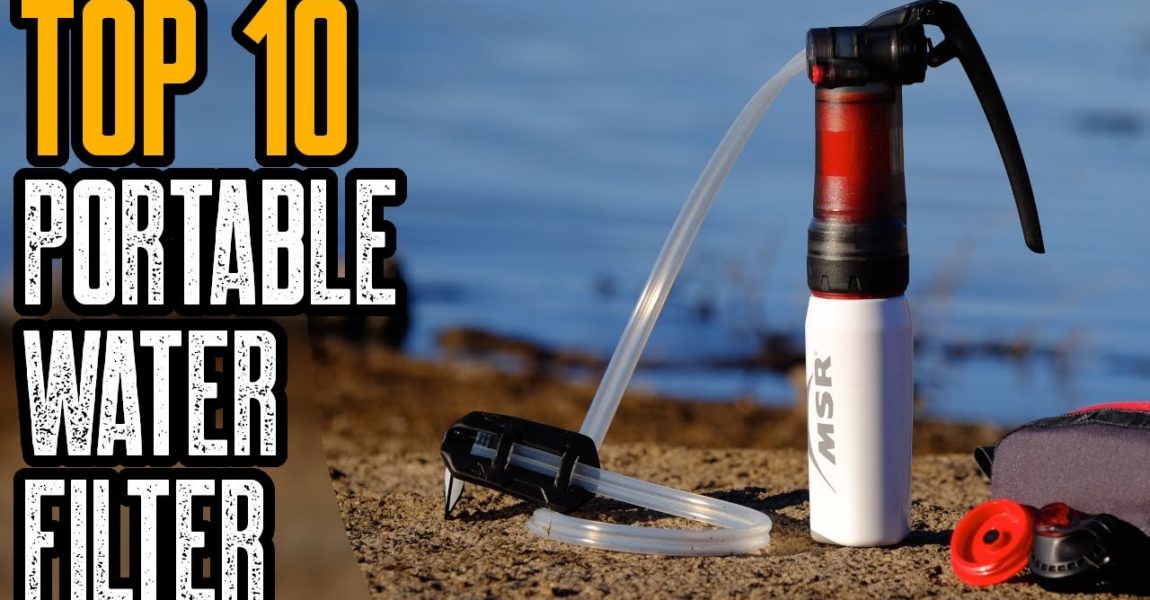
Pump filters pull water through an intake hose and push it through a cartridge with hand pressure. They are older tech by backpacking standards, but they still solve a real problem better than many newer designs.
A pump is useful when the source is shallow, stagnant, or hard to scoop. You can drop the intake into a trickle, puddle, or narrow creek and filter straight into nearly any container. That level of control is why pump filters still make sense for rough backcountry travel, including trips like hiking in Triglav National Park where access to water can be awkward rather than abundant.
The trade-off is labor. Pumping several liters takes time, and every moving part is another part that can wear out or need cleaning. Travelers who hate repetitive tasks usually stop loving pump filters after the first few long refill sessions.
Best use case: awkward water sources, backcountry travel, and people who want precise filling into bottles or pots.
What doesn’t work well: high-volume group use, lazy camp routines, and travelers who want the least effort possible.
Gravity filters
Gravity systems turn filtering into a camp task instead of a hand task. Fill the dirty bag, hang it, connect the hose, and let the water run into a clean container while you cook or sort gear.
For two people or more, this is often the easiest system to live with. The big advantage is not just volume. It is reduced friction. Nobody stands there pumping or squeezing bottle after bottle. That matters on multi-day trips, family travel, overlanding, and any setup where you stop long enough for the system to work in the background.
The downside is bulk and setup time. Gravity systems take more room, and they shine when you have a camp or at least a decent pause in the day. They are less appealing for fast urban movement or all-day travel with short refill stops.
Best use case: couples, families, base camps, road trips, and repeated high-volume filtering.
What doesn’t work well: quick refills on the move, minimalist packing, and places where hanging or staging the system is annoying.
UV purifiers
UV purifiers use ultraviolet light to neutralize microbes in water instead of forcing water through a physical membrane. That changes the decision in a big way because UV systems are often chosen for travel patterns, not wilderness habits.
For international trips with questionable tap water, a UV purifier can be very convenient. You treat water in a bottle, wait a short cycle, and drink. There is no filter to clog with normal clear tap water, and purifier models address viruses in a way standard trail filters usually do not.
The catch is straightforward. UV works best in clear water. If the source is cloudy, you need to pre-filter first or choose another method. You also need batteries or charging discipline, and the device needs more care than a simple squeeze filter tossed in a side pocket.
Best use case: city travel, hotel and guesthouse stays, airport or station refills, and destinations where virus risk changes the buying decision.
What doesn’t work well: muddy water, dead batteries, and rough treatment of delicate gear.
Portable water filter types at a glance
| Filter Type | How It Works | Best For | Avg. Weight | Virus Protection? | Pros | Cons |
|---|---|---|---|---|---|---|
| Squeeze filter | Water is pushed through a membrane by hand pressure | Solo hikers, ultralight travel, emergency use | Light | Usually no | Compact, versatile, good lifespan on some models | Hand effort, slower with clogging, awkward for groups |
| Straw filter | You drink directly through the filter | Backup use, fast trail sipping | Very light | Usually no | Tiny, simple, instant access | Doesn’t make stored clean water, poor for camp tasks |
| Pump filter | Manual pump forces water through a cartridge | Backcountry collection from tricky sources | Moderate | Depends on model | Controlled filtering into bottles or pots | Repetitive effort, bulkier feel |
| Gravity filter | Suspended bag system uses gravity to move water through filter | Families, base camps, overland travel | Moderate to heavier | Usually no | Hands-free, high volume, excellent for shared use | Less convenient on the move |
| UV purifier | UV light neutralizes microbes in water | International city travel, clear tap water | Light to moderate | Yes, on purifier models | Fast, broad biological protection, no clogging membrane | Needs power, doesn’t remove sediment |
How to Choose Your Perfect Travel Filter
You arrive late, the guesthouse tap looks questionable, and tomorrow’s bus leaves before sunrise. That is the moment your filter choice stops being theoretical. The right setup depends less on which product gets the loudest praise and more on how you travel under pressure.
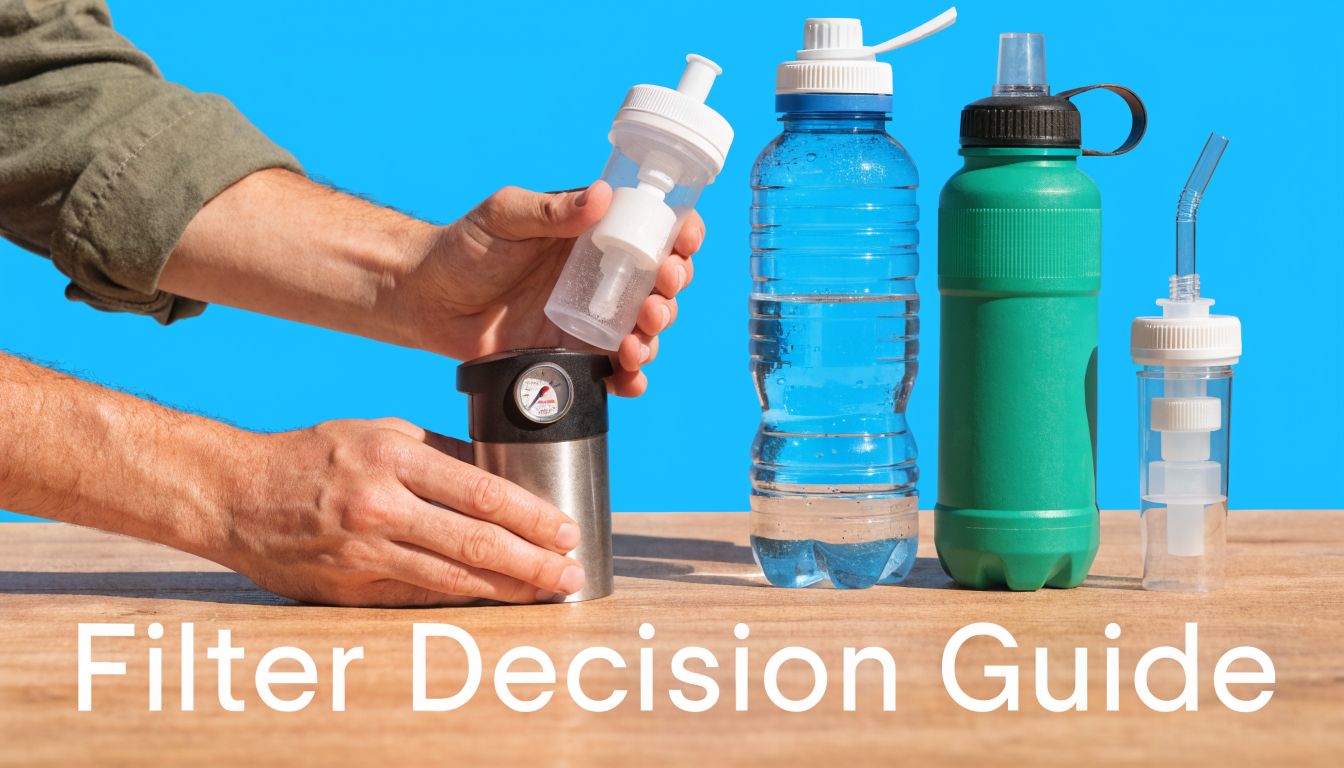
A good decision starts with four practical questions. What kind of water will you treat most often? How much do you need each day? How much effort are you willing to spend to get it? What is your backup plan if the unit clogs, runs out of power, or gets damaged?
Start with your real water sources
Travelers often buy for the exception and ignore the routine. That leads to the wrong tool.
If your trip centers on mountain streams, lakes, and backcountry camps, flow rate and field maintenance usually matter more than virus protection. If your trip runs through cities, villages, transit hubs, and places with inconsistent sanitation, broad biological protection matters more. The best portable water filter for travel is the one that matches the sources you will face most often, not the one that looks strongest on a spec sheet.
Source quality also changes how forgiving a system feels. Clear water is easier on almost every filter. Silty water slows membrane systems, shortens cartridge life, and turns a quick refill into a chore.
Choose the amount of effort you can live with
Often, many buying mistakes happen. A filter can be light, compact, and technically capable, yet still annoy you enough that you stop using it consistently.
Squeeze and pump filters ask for repeated hand effort. They make sense when low weight or precise collection matters. Gravity systems trade pack space for comfort and higher output, which is a smart bargain for pairs, families, or slow travel with regular camp stops. UV purifiers are fast and convenient in hotels and apartments, but they depend on battery life and work best with relatively clear water.
Convenience is not a luxury feature. It affects whether you treat every bottle.
Pay attention to failure points
Every filter type has one.
Membrane filters can clog. UV units need charged batteries and intact electronics. Gravity bags can puncture. Straw filters are awkward when you need clean water for cooking, brushing teeth, or filling bottles for later. Pump filters have more moving parts and usually take more patience over a long trip.
That does not make one category better than another. It means the right choice is the one whose weak point you can handle without much trouble. Travelers who are disciplined about charging devices can do well with UV. Travelers heading somewhere remote usually benefit from simple gear that can be cleaned in the field and does not rely on power.
Lifespan and maintenance shape long-term value
Purchase price only tells part of the story. Cartridge replacement, backflushing, drying time, and day-to-day mess matter just as much after the first week.
Some travelers are happy to maintain a filter if it saves weight. Others want something less fussy, even if it adds bulk. Be honest about your habits. If you rarely clean your gear at home, buy a system with simple upkeep and clear failure signs. If you do not mind routine maintenance, a backflushable filter can be a strong long-trip option.
For a broader guide to comparing specs, serviceability, and treatment methods, the resources at Water Filter Advisor’s advice hub are a useful reference.
Read claims with a skeptical eye
Product pages often blur the line between filtration and purification. Those are not interchangeable terms. You need to know what the system is designed to address, what conditions it was tested under, and what kind of water it handles poorly.
Use this quick check before buying:
- Confirm the treatment method: Mechanical filter, UV purifier, chemical treatment, or a hybrid setup each fit different trips.
- Check the stated targets: Protozoa, bacteria, and viruses require different levels of protection.
- Look at likely water conditions: Clear tap water and muddy river water place very different demands on a system.
- Review container compatibility: Some filters work smoothly with common bottles and bladders. Others are picky.
- Consider your backup: A spare tablet pack or secondary method matters more on long or remote trips.
If you want to see a practical overview of how people set up and use compact systems in the field, this walkthrough is helpful before you buy:
Matching the Filter to Your Adventure
You arrive late, the shops are closed, and the only water option is a tap in a guesthouse bathroom or a stream near camp. That is usually when travelers realize they did not just need a good filter. They needed the right one for the trip they booked.
Match the system to three things first. Water source, likely contaminants, and how much hassle you will tolerate when you are tired. That approach works better than chasing whichever model tops a generic roundup.
The ultralight backpacker
Low weight matters, but speed matters too. A tiny squeeze filter saves pack space, yet some ultralight setups get frustrating when flow slows down or when you need to fill bottles for a long dry stretch.
For backcountry routes with clear mountain water, a basic hollow-fiber filter is often the best weight-to-performance choice. If the trip shifts into villages, bus stations, or border towns where viral risk is less predictable, that same setup may be too narrow. In that case, carry a secondary treatment method instead of assuming one filter covers every source.
The international globetrotter
City travel creates a different problem. Water is usually easy to find, but harder to trust consistently from one country, neighborhood, or transit stop to the next.
A purifier often makes more sense than a wilderness-style filter here, especially for destinations where viruses are part of the risk picture. UV devices are compact and quick in clear water, and they fit hotel, airport, and apartment travel well. The limitation is straightforward. Murky water reduces effectiveness, and dead batteries turn a purifier into dead weight. Travelers who value simplicity over electronics may prefer a bottle-based purifier or chemical backup even if it adds a little time.

The family camper or base-camp traveler
Group trips expose bad filter choices fast.
A straw or small squeeze unit can work for one person. It becomes tedious when several people need water for dinner, bottles, coffee, and the next morning’s start. Gravity systems earn their keep here because they trade some bulk for much less effort. Fill the bag once, hang it, and let it run while camp chores continue. For families and small groups, that convenience usually matters more than shaving a few ounces.
The road tripper and hotel hopper
This traveler usually deals with taps, refill stations, and questionable sink water rather than lakes and rivers. That changes the buying decision. Compact purifiers, filtered bottles, and drop-in treatment systems are often more practical than a backcountry squeeze filter.
Convenience decides whether the system gets used. If setup is fussy, many travelers skip it and buy plastic bottles instead. For road trips, I would rather carry a slightly heavier option that works quickly at a gas station sink than a lighter setup that only shines beside a clear stream.
The scenic trekker in Europe
Mixed itineraries need balanced gear. A traveler doing hut-to-hut hiking, rail transfers, and village overnights may encounter spring water one day and tap water of uncertain quality the next.
If you’re planning routes like hiking in Triglav National Park, choose based on the sources you will rely on most. A lightweight filter works well for mountain refills. A purifier or hybrid setup makes more sense if the trip includes more towns, huts, or shared accommodations. The best choice is rarely the one with the longest feature list. It is the one you will trust and use every day on that specific trip.
Essential Maintenance and Safety Practices
The best filter in the world becomes a liability if you treat it carelessly. Most failures in the field aren’t dramatic manufacturing disasters. They’re maintenance mistakes, contamination mistakes, or storage mistakes.
Keep dirty and clean sides separate
This sounds basic, but it’s where people get sloppy. If the nozzle, threads, cap, or bottle rim touches untreated water, you can undo the whole process. Set up a routine and stick to it. Dirty bag in one hand, clean bottle in the other. Caps go back where they belong.
Clean according to the system you own
Hollow-fiber filters need backflushing when flow drops. Gravity systems also benefit from routine flushing and careful drying after trips. UV purifiers need clean contact points, charged power, and protection from rough packing.
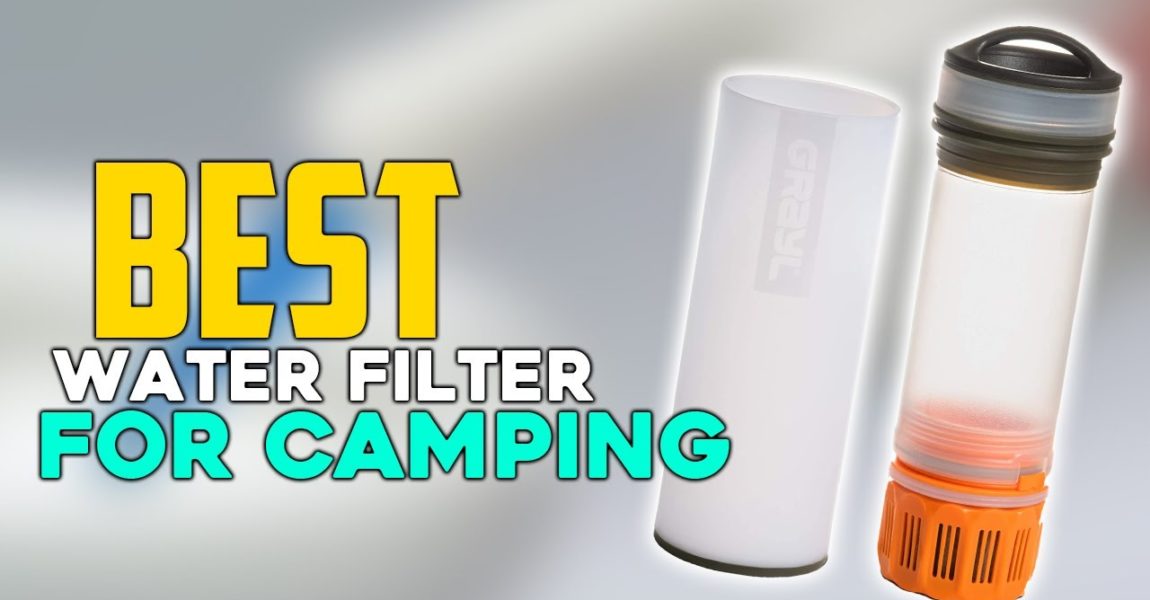
If you use a pod-based option like the Go Pure Pod, one of its strengths is longevity. A single pod is rated to purify 264 gallons (1,000 liters) and it also removes nearly all fluoride, according to Adios Adventure Travel’s review. That doesn’t mean it’s maintenance-free. It means you still need to protect the bottle, keep the system clean, and replace the pod when its service life is reached.
Never ignore freezing risk
For membrane filters, freezing is a silent problem. If trapped water freezes inside the media, the damage may be invisible. The filter can look fine and no longer be trustworthy. In cold conditions, sleep with the filter in your bag or an inner pocket if needed. This is not optional.
Dry it before long storage
When a trip ends, don’t throw a damp filter into a drawer and forget it. Rinse as directed, dry what should be dried, and store it where it won’t get crushed or overheated. A few extra minutes at home are a lot easier than troubleshooting a musty, clogged, or questionable filter before your next departure.
Frequently Asked Questions About Travel Water Filters
Can I take a travel water filter on a plane
Usually, yes. Portable filters and UV units are commonly packed for air travel. The key issue is less about the filter itself and more about any liquid accessories, damp components, or batteries if your system uses them. I pack the treatment device clean and dry whenever possible.
What’s the best option for very silty or murky water
Pre-filter first. Even a bandana, coffee filter, or clean cloth can help reduce sediment before the main treatment step, as sediment clogs membrane filters and can interfere with UV treatment.
If your trip regularly involves dirty water sources, choose a system that handles particulates more gracefully or build pre-filtering into your routine from day one.
If my filter doesn’t handle viruses, what’s the best backup
Pair it with a secondary treatment method that does. In practice, that often means carrying a chemical backup or using a purifier instead of a basic filter when the destination calls for it.
This is one of the most common mistakes I see. Travelers buy a lightweight backcountry filter, then use it for urban or developing-world travel where their real risk profile is different.
A backup works best when it fills the exact gap your main system leaves open.
Is a higher flow rate always better
Not by itself. Flow feels great at first, but the key question is whether the system stays practical after repeated use, dirty water exposure, and camp life. A fast filter that clogs easily or demands constant effort may still be the wrong choice.
For groups, high output matters more. For solo urban travel, compactness and treatment type may matter more than raw speed.
Are portable filters useful if I mainly care about taste
Yes, but choose with care. Some travel systems are designed primarily around microbiological protection, not taste improvement. Others do more to reduce unpleasant flavor notes. If your concern is mostly taste from treated tap water, the “best” option may be different from what a wilderness hiker needs.
That’s one area where home filtration habits can mislead travelers. On the road, taste is nice. Safety comes first.
Can one filter do everything
Rarely in practice. Every design gives something up. UV needs clear water and power. Squeeze filters save weight but can be tedious. Gravity systems are excellent at camp and less useful on the move. Pod and bottle systems score high on convenience but may not fit every source type.
The best buyers accept that trade-off early. They don’t chase a perfect tool. They choose the right compromise for the trip they’re taking.
If you want help comparing travel filters, home systems, replacement costs, and what different filtration methods remove, Water Filter Advisor is a practical place to keep researching before you buy.