You're likely reading shower head filter reviews because something feels off each time you rinse. Your skin feels tight after a hot shower. Your hair turns rough by the second day. Color-treated hair loses its salon look faster than it should. It is common to blame soap, shampoo, weather, or age. Often, the bigger variable is the water hitting you every morning.
A good shower filter won't fix every water problem in the house. It can, however, change the part of your water exposure that your skin and hair notice most. The trick is knowing which reviews are worth trusting, because this category is packed with vague claims, decorative spray features, and “multi-stage” marketing that says almost nothing about real filtration.
Why Your Shower Water Deserves a Second Look
The most common pattern I hear from homeowners is simple. “My skin was fine in one apartment, then I moved and everything got worse.” That's rarely random. Municipal water can vary a lot in how it behaves in the shower, especially when disinfectants and particulate contaminants are part of the picture.
Chlorine is the easiest example. In practical terms, it can leave skin feeling stripped and hair feeling less smooth after repeated exposure. That doesn't mean every bad hair day comes from your shower, but it does explain why a filtered shower often feels different within the first week of use.
If you've already been dealing with dryness, irritation, or texture changes, it helps to understand how water chemistry and mineral content can affect appearance and comfort. This guide on hard water effects on skin and hair is a useful companion if you're trying to separate hard water symptoms from chlorine-related issues.
What most reviews miss
Most shower head filter reviews focus on the fun part. Spray settings, finish colors, whether the unit looks expensive. Those things matter, but they shouldn't lead the decision.
What matters first is this:
- What contaminants the filter reduces
- Whether a third party certified those claims
- How long the cartridge lasts before performance drops
- Whether the flow still feels satisfying in daily use
A shower filter is a performance product disguised as a bathroom accessory.
That's why I treat this category more like water treatment than decor. A family of four doesn't care how many beads or balls are inside the cartridge if skin still feels dry and the shower turns weak after installation. The useful reviews are the ones that connect lab-style performance to real life: easier rinsing, less post-shower tightness, fewer cartridge surprises, and a better sense of whether the long-term spend is justified.
Our Unbiased Shower Filter Testing Process
At 7:10 a.m., a shower filter either feels like a smart upgrade or an expensive restriction. If rinsing takes longer, pressure drops, or the cartridge starts leaking after the first change, the technical claim stops mattering. My testing process is built around that reality. I measure what the filter is supposed to reduce, then check whether a household would still want to use it every day.
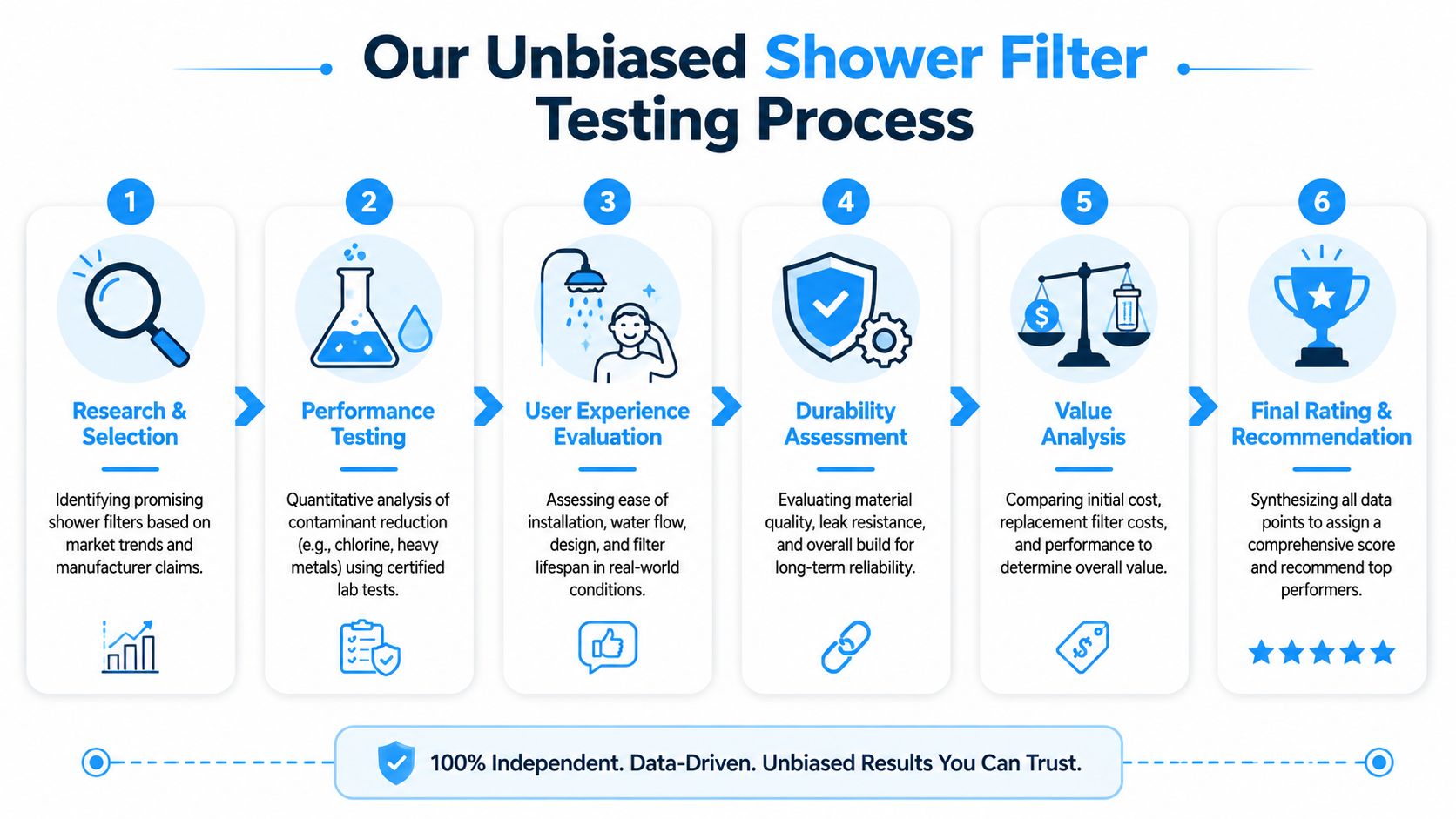
I start with the claim itself. If a brand cites NSF/ANSI 177 chlorine reduction, I treat that differently from a vague promise about cleaner water, detox, or beads. Certification does not guarantee the best shower experience, but it does establish a verified reduction standard. That matters because a filter can feel strong at the spray face and still do little for the chlorine exposure that often drives dry skin, color fading, and that tight after-shower feel.
Build quality comes next. After testing dozens of units, I have learned that thread depth, gasket fit, cartridge alignment, and housing strength predict a lot of ownership pain. A filter that cross-threads easily or flexes during installation tends to create problems later, especially in homes where cartridges get changed on a rushed weekend instead of under ideal conditions.
Then I test the trade-off that many review roundups blur together. Filtration, pressure, and operating cost pull against each other.
A filter with denser media or a more restrictive path can improve contact time, but it may also lower flow enough that long hair takes longer to rinse. A model with excellent spray force can feel great on day one while offering thin evidence that it reduces much of anything. The best products sit in the middle. They remove enough chlorine to change the shower experience and keep enough flow to avoid turning a ten-minute routine into a fifteen-minute one.
My scoring usually weighs four areas:
Verified reduction claims
Third-party certification and clearly stated media get more credit than high stage counts or decorative cutaway diagrams.Measured shower performance
I check whether pressure stays satisfying through a normal wash, not just a quick hand test at installation.Cartridge value over time
I compare replacement frequency and cartridge price because a cheap housing can become an expensive system within a year.Serviceability
I look at how easy it is to install, remove, reseal, and live with in a real bathroom.
That last point gets overlooked. A filter is only cost-effective if the household keeps it maintained. For readers trying to compare water filtration options, this is one of the clearest differences between shower filters and whole-home systems. Shower filters cost less upfront, but the economics depend heavily on cartridge life and whether performance stays acceptable as the media ages.
I also avoid scoring by feature count. More stages do not automatically mean more reduction, and a vitamin C cartridge is not interchangeable with KDF, carbon, or calcium sulfite media. Different media perform differently under hot water, at different flow rates, and against different contaminants. The practical question is never how impressive the cross-section looks. It is whether the filter delivers softer-feeling showers without creating pressure complaints or surprise replacement costs.
My rule is simple: a review is only useful if it connects verified claims to lived results. I want to know whether a family gets less chlorine exposure, whether thick hair rinses clean without frustration, and whether the yearly cartridge bill still makes sense after the first burst of buyer optimism wears off.
Key Factors for Choosing the Right Filter
A family can buy a shower filter with 15 stages, install it in 10 minutes, and still end up with two complaints by the end of the week: the water feels weak, and nobody is sure the cartridge is doing much. That usually happens because the purchase was based on marketing language instead of the three trade-offs that matter in daily use: verified reduction claims, usable flow, and the true annual cost of keeping the filter effective.
Certification matters more than stage count
Stage count is a poor shortcut. Media can be stacked in many layers and still offer limited proof of performance under hot shower conditions.
For chlorine, the benchmark to look for is NSF/ANSI 177 certification. NSF explains that this standard covers shower filtration systems tested for free available chlorine reduction, which gives shoppers a clear third-party reference point instead of a brand claim on packaging alone, according to NSF's guide to drinking water treatment standards and certification references. Certification does not guarantee every certified filter feels the same in use, but it does establish that the product passed a defined test method.
That matters more than a long cutaway diagram. In practice, one verified claim is often more useful than ten unexplained media names.
Flow rate is part of filtration quality
A shower filter that lowers chlorine but turns rinsing thick hair into a five-minute job is not a good value. Real-world performance includes how the shower feels at 6:30 a.m. when two adults and two kids are trying to get through the bathroom on schedule.
The federal maximum for most shower heads is 2.5 gallons per minute, and many filtered models are sold in lower-flow configurations to stay efficient or meet local requirements. The Environmental Protection Agency notes that WaterSense labeled showerheads use no more than 2.0 gallons per minute while meeting spray-force and coverage requirements, which is a useful reference point for what efficient but livable flow can look like in a bathroom (EPA WaterSense showerheads).
Numbers alone still miss part of the story. A 2.0 GPM filtered head can rinse better than a poorly designed 2.5 GPM model if the nozzles produce a tighter, more consistent spray. The opposite is also true. A filter housing with small internal passages can make a shower feel weaker than the rated flow suggests.
The goal is balance. Households chasing softer-feeling skin and less dry, brittle hair usually notice chlorine reduction only if they keep using the filter. They keep using it only if pressure stays acceptable.
Media type should match your water and your expectations
Different media solve different problems, and brands often blur those differences.
KDF is commonly used for chlorine and some heavy metal reduction. Carbon can help with chlorine and odor, but hot water and high flow can limit contact time. Calcium sulfite is often used because it reacts quickly with chlorine in shower conditions. Vitamin C media can reduce chlorine too, but it usually has a shorter service life and a different cost profile. Those differences affect both results and maintenance.
That is why a shower filter should be matched to the problem you are trying to solve. If the main complaint is chlorine smell and post-shower tightness, a filter with a clear chlorine claim and reasonable cartridge schedule often makes more sense than a complex multi-media unit with vague promises. If your broader concern is house-wide sediment, hardness, or multiple tap-water issues, it helps to compare water filtration options before expecting a shower filter to cover the whole job.
Use this checklist before you compare finishes or spray modes:
| Factor | What to look for | Why it matters in real use |
|---|---|---|
| Certification | NSF/ANSI 177 or another clearly stated third-party standard | Confirms the claim was tested against a defined method |
| Target contaminant | Chlorine, sediment, or other stated reduction goals | Keeps expectations aligned with what the filter is built to do |
| Flow rate and spray design | A rating you can live with and user feedback on rinse performance | Affects shampoo removal, shower length, and household satisfaction |
| Cartridge life | Clear replacement interval in gallons or months | Determines whether the low upfront price stays affordable |
| Replacement cost | Cartridge price, not just housing price | Shapes the true yearly cost |
| Housing and threads | Reliable seals, standard fittings, easy cartridge access | Reduces leak risk and makes maintenance more likely to happen |
A good filter choice is rarely the one with the longest feature list. It is the one that makes a defensible trade-off between filtration performance, pressure, and long-term cost for your water, your hair and skin concerns, and your budget.
In-Depth Reviews of the Best Shower Filters
A family of four can feel the difference between two filters long before they read the spec sheet. One leaves enough pressure to rinse thick hair in one pass. The other trims chlorine exposure but turns every shower into a slower, longer routine. That trade-off, filtration performance versus pressure versus replacement cost, is what separates a good shower filter from one that only looks good in a product listing.
Weddell Duo for best overall performance
The Weddell Duo has the strongest all-around case in this group because its published performance goes beyond the usual chlorine-only pitch. As noted earlier in the article, it is presented with documented reduction claims for PFAS, microplastics, and chlorine, which is unusual in a category where many models focus on a narrower comfort benefit.
Best for: households that want the broadest documented filtration case, not just a softer-feeling shower
In practical use, that matters most for buyers who are trying to solve two problems at once. They want less chlorine-related dryness, but they also want a filter that addresses a wider contaminant profile instead of treating shower filtration as a cosmetic accessory. I have found that this is the type of product serious buyers gravitate toward after they have already tried a cheaper cartridge and felt underwhelmed.
The trade-off is simple. Filters that aim for broader reduction often ask you to accept a higher upfront price and a more deliberate cartridge schedule. For many families, that is still the right math if better filtration is the first priority.
Culligan WSH-C125 for dependable certified value
The Culligan WSH-C125 remains one of the safer mainstream picks because the performance story is easy to verify and the ownership pattern is easy to live with. Earlier product research cited in this article notes NSF/ANSI 177 certification, a stated capacity of 10,000 gallons, and a typical 6-month lifespan.
Best for: buyers who want a familiar brand, a recognized certification, and replacement intervals they will remember
That combination has real value. In shower filters, certification can matter more than an exotic media blend because it gives you a defined testing standard instead of marketing language. A six-month schedule also fits how many households already think about maintenance. Replace it twice a year and move on.
Culligan is not the product I would choose for the widest contaminant-reduction ambitions. It is the one I would choose for a renter, a first-time filter buyer, or anyone who wants fewer surprises. If your shower already has only moderate pressure, this type of straightforward design also tends to be easier to tolerate than bulkier multi-stage systems that can feel restrictive.
Multipure for longest service interval
The Multipure showerhead filter makes the strongest case on maintenance convenience. Earlier comparison data referenced in this article describes a stated lifespan of 25,000 gallons, or about 1 year or longer for a 2-person household, and notes the use of 100% KDF-55 media with WQA certification.
Best for: smaller households that want fewer cartridge changes and steadier long-term ownership costs
That longer interval changes the budget picture more than many buyers expect. A filter that lasts longer can cost more upfront and still be cheaper per month than a lower-priced unit that burns through cartridges every quarter. It also reduces the risk of accidental overuse, which is common with shower filters because people forget the install date and keep using a spent cartridge.
For hair and skin results, consistency matters. If chlorine reduction is your main goal, a filter that stays in service because it is less annoying to maintain often performs better in practice than a technically good model with a replacement schedule your household ignores. Pairing filtered water with nurturing your hair with sulfate-free products is a sensible combo for color-treated, brittle, or dryness-prone hair.
A quick visual breakdown can help if you're comparing styles and installation formats before narrowing your list.
Rorra for transparent replacement expectations
The Rorra shower filter earns its place by being clearer than many competitors about the limits of a shower cartridge. Earlier testing references in this article describe an independently verified 91% average chlorine removal rate over 4,000 gallons, along with a recommended 90-day replacement cycle.
Best for: buyers who prefer honest maintenance guidance over inflated lifespan claims
I respect that approach. A short replacement interval is inconvenient, but it is easier to budget for and trust than a vague claim that fades under heavy use. In a high-use household, especially one with teens or long hair that requires longer rinsing, a realistic 90-day cycle can be more useful than a headline lifespan that only works under ideal conditions.
Rorra makes the most sense if chlorine is the main issue and you value candor. It makes less sense if you want long cartridge life or stronger third-party certification support.
Comparison table
| Filter | Best for | Verified performance | Lifespan guidance | Certification or testing note |
|---|---|---|---|---|
| Weddell Duo | Broadest documented filtration | Multi-contaminant reduction claims noted earlier in the article | Multi-metric service life noted earlier | Documented third-party testing discussed earlier |
| Culligan WSH-C125 | Dependable certified value | Certified to Standard 177 | 10,000 gallons, about 6 months average use | NSF/ANSI Standard 177 |
| Multipure | Long cartridge life | Uses 100% KDF-55 media | 25,000 gallons, about 1 year or longer for a 2-person household | WQA certification |
| Rorra | Honest replacement cadence | 91% average chlorine removal for 4,000 gallons | 90-day replacement recommendation | Not NSF-certified, independently verified result cited |
One more reality check. If hard water minerals are the main reason your hair feels rough or your skin feels tight, a shower filter may help with chlorine-related dryness but may not solve scale buildup by itself. In that case, it is worth reviewing what a shower filter for hard water can and cannot do before you buy on the promise of softer hair alone.
Matching a Filter to Your Home and Needs
The right filter changes depending on who's showering, how often, and what kind of compromise your household will accept. A family with two kids and color-treated hair won't shop the same way as a renter who just wants chlorine reduction without replacing the entire fixture.
For city water and broader contaminant concerns
Pick Weddell Duo.
If your municipal supply leaves skin feeling stripped and you want the strongest documented case for going beyond chlorine, Weddell is the obvious match from this group. It's the one I'd put in a home where the buyer wants fewer assumptions and more proof.
For simple ownership and familiar certification
Pick Culligan WSH-C125.
This is the best fit for people who don't want to obsess over filtration theory. You want a credible standard, a replacement schedule that's easy to remember, and a product from a brand most homeowners already recognize.
If your goal is “install it, trust it, and move on,” Culligan makes more sense than a flashy niche model.
For small households that hate frequent cartridge swaps
Pick Multipure.
A longer service interval has real quality-of-life value. This matters most for couples, guest baths, or households where maintenance chores tend to get delayed. The less often you need to think about the cartridge, the more likely the filter will stay effective over time.
For buyers trying to solve hard-water frustration
A shower filter may improve comfort, but it won't automatically act like a true softener. If your main complaint is scale, rough-feeling water, or mineral-heavy residue, start with a guide focused on a shower filter for hard water so your expectations stay realistic.
That distinction matters because many buyers are chasing two separate problems at once. One is disinfectant exposure in the shower. The other is mineral hardness. Some products help with one more than the other.
For renters and low-commitment installs
I usually steer renters toward compact, straightforward models with clear cartridge access and conventional fittings. In this group, Culligan often wins on practicality. It's less intimidating than premium specialty units and easier to justify when you may move before the next replacement cycle.
The biggest mistake renters make is buying a model with lots of “spa” framing and very little verification. A shower filter in a rental needs to earn its place through convenience and documented performance, not packaging.
Understanding the Long-Term Cost of Filtered Showers
A $35 filter that needs frequent cartridges can cost more over two years than a $75 model with a longer service interval. In real households, replacement cadence usually decides value more than shelf price.
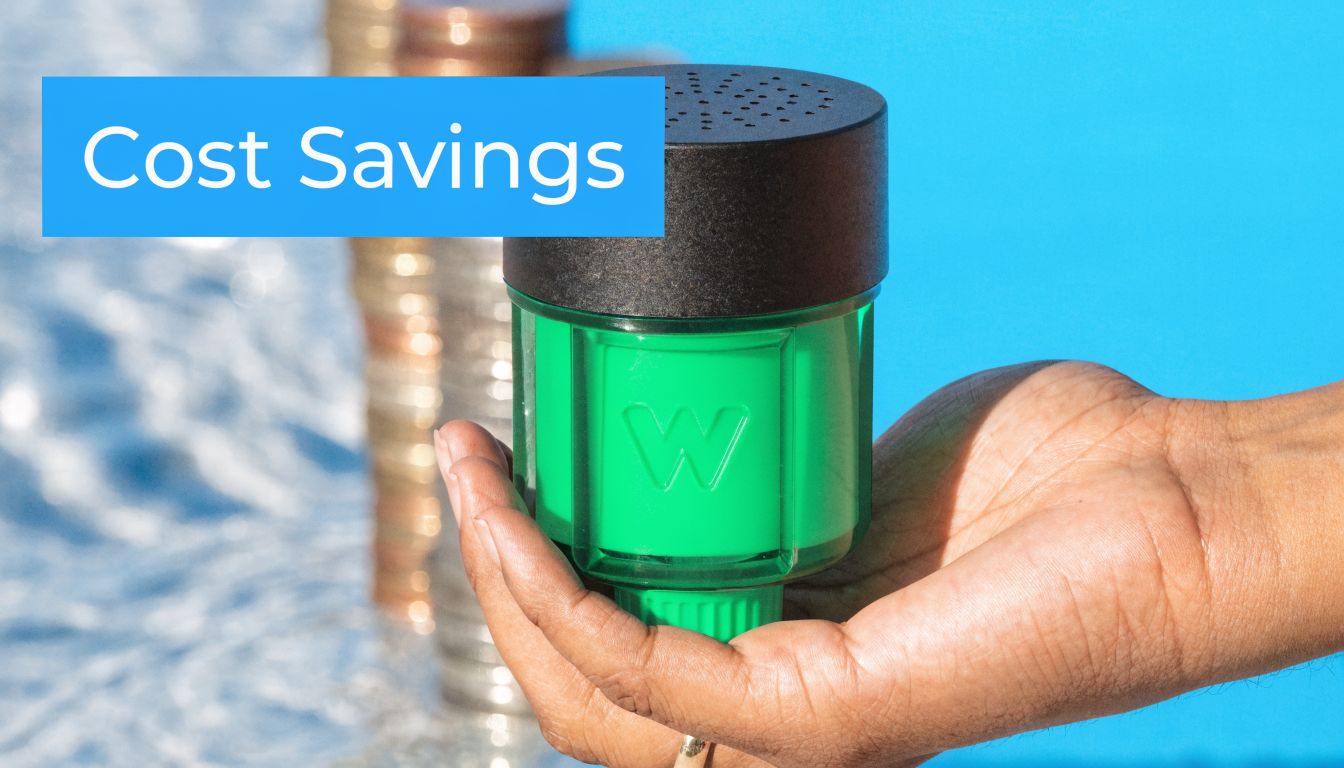
The practical way to compare shower filters is to combine three numbers: cartridge price, rated capacity, and flow rate. Capacity tells you how long the media is expected to work. Flow rate tells you how much shower comfort you give up to get that treatment. Together, they show the trade-off that feature lists usually hide.
Start with cost per gallon, then sanity-check it against real use
Use this formula:
Total cartridge cost over time ÷ total rated gallons = cost per gallon of filtration
That provides a more accurate view of ownership cost than any sale tag. It also prevents you from overpaying for a filter that sounds premium but burns through cartridges quickly.
The second check is whether the service interval fits your routine. A longer-lasting cartridge often costs more upfront, but it reduces the odds that the filter stays installed long after performance has faded. After testing many shower filters, I have found that maintenance friction is one of the biggest reasons families stop getting the skin and hair benefits they paid for.
The numbers only matter if the filter stays on schedule
Earlier in this guide, we noted that shower filters vary widely in rated lifespan and that many operate in the same general flow range. That creates a clear trade-off. A short-life filter can make sense if it targets the contaminants you care about and still keeps rinse quality acceptable. A long-life filter can be the better value if your priority is lower annual hassle and steadier ownership cost.
Two filters can look similar in a roundup and behave very differently in a home. One may preserve pressure well but ask for more frequent cartridge changes. Another may spread replacement cost over a longer interval, which often matters more in a primary bathroom used every day by two or three people.
A simple way to budget for a household
Use your shower habits, not marketing assumptions.
- Count how many people use that bathroom daily
- Check the filter's rated gallon capacity
- Check the replacement cartridge price
- Compare the rated flow to what feels acceptable for your shower
If a family takes several back-to-back showers each morning, a lower-flow model may feel less forgiving, especially once the cartridge begins to load up. If your goal is softer-feeling skin and less dry, brittle hair, the cheapest option can miss the mark if weak pressure leads to poor rinsing or if delayed cartridge swaps reduce chlorine reduction over time.
That is why I treat long-term cost as a performance question, not just a budget question.
A filter you replace on time, can still rinse shampoo cleanly, and can afford to maintain usually delivers better value than a cheaper unit that creates pressure complaints or gets ignored after the first cartridge cycle. Homeowners already planning bathroom upgrades sometimes think about this the same way they review maintenance access for tile and plumbing fixtures. The Melbourne Tiling Services FAQs are a good example of that broader home-maintenance mindset.
The best buy is usually the filter that keeps total annual cost predictable while preserving a shower experience your household will tolerate every day.
Your Shower Filter Questions Answered
Do shower filters soften hard water
Usually, no. A shower filter and a water softener do different jobs. Many shower filters target chlorine and other contaminants, while hard water is mainly a mineral issue. Some shower products may improve how water feels, but that isn't the same as true softening.
Will a shower filter ruin my water pressure
Not if you choose carefully. Modern filtered shower heads generally operate within a flow range that still feels normal in daily use, and the better products preserve rinse quality well. The key is avoiding filters that promise aggressive treatment without explaining the pressure trade-off.
How do I know when to change the cartridge
Start with the brand's gallon rating or time interval, then pay attention to lived experience. If pressure drops, odor changes, or your skin and hair go back to feeling like they did before installation, the cartridge may be near the end of its useful life. Transparent brands make this easier by giving specific replacement guidance rather than vague “lasts for months” language.
Can renters install one without a plumber
In many cases, yes. Most shower filters are designed for standard shower connections and basic DIY installation. The easiest models are the ones with simple threading, clear gasket placement, and cartridges that can be swapped without special tools.
If you're the kind of homeowner who likes to sanity-check installation expectations before buying any bathroom hardware, broad home-improvement FAQ pages can still be useful for mindset and planning. One example is these Melbourne Tiling Services FAQs, which show the kind of practical pre-project questions people should ask before changing bathroom fixtures or finishes.
What's the biggest mistake people make with shower head filter reviews
They confuse feature count with performance. A long list of stages, spray settings, stones, beads, or beauty claims can distract from the fundamentals. You're not buying a spa story. You're buying a water treatment device for one specific point of use.
If you want clearer, research-driven help choosing the right filtration setup for your home, visit Water Filter Advisor. It's a strong place to compare systems, understand certifications, and avoid expensive filtration mistakes before you buy.
- May 11, 2026
- Uncategorized
