
Boil noticed issues for NE Hillsboro neighborhood | Local News | kptv.com
[ad_1] (KPTV) – Residents in a Northeast Hillsboro neighborhood after a water leak caused a loss of pressure on Friday. The Hillsboro Water Department ...
[ad_1] (KPTV) – Residents in a Northeast Hillsboro neighborhood after a water leak caused a loss of pressure on Friday. The Hillsboro Water Department ...
[ad_1]
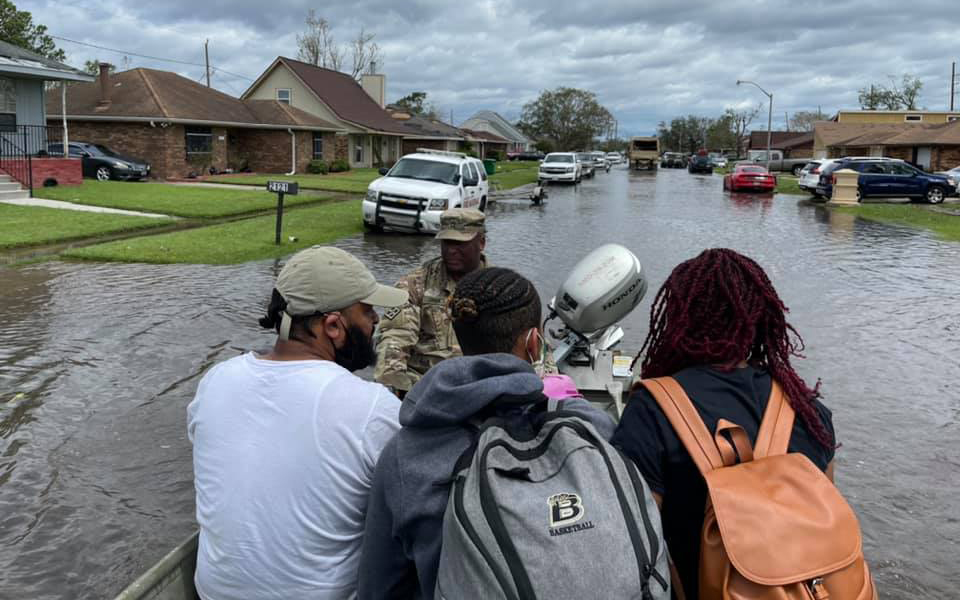
It’s been about two weeks since Hurricane Ida swept ashore in Louisiana as a Category 4 storm, bringing with it catastrophic rainfall and forceful 150 mile per hour winds. Leading up to the storm’s landfall, much focus centered around whether New Orleans’ storm infrastructure, which was completed following the devastation of Hurricane Katrina, would hold up to a real-world test—it did.
In the aftermath, it’s clear that Hurricane Ida wasn’t a followup to Hurricane Katrina. But while headlines have moved on to other topics, cleanup efforts are ongoing as the region continues to take stock of damages. An analysis by CoreLogic, a California-based data solutions provider, estimates $27 to $40 billion in losses from the storm.
“Total insured flood loss for residential and commercial properties in Louisiana, Mississippi and Alabama is estimated to be between $6 and $9 billion, which includes both storm surge and inland flooding,” the analysis says. “Insured wind losses are an estimated additional $8 to $12 billion. More than 90 percent of the losses are estimated to be in Louisiana, primarily in the nine parishes in the New Orleans-Metairie-Hammond metropolitan area and in the Ascension, Lafourche, Livingston and Terrebonne parishes immediately to the west.”
As of Tuesday afternoon, nearly 100,000 people were still without power as service providers continued to work to get the grid back up and running, notes a statement issued by Entergy power. Initially, there were more than 900,000 people without power, many in the heavily impacted river parishes, Bayou Region and the region’s I-55 corridor.
“This progress is a testament to the dedication of our tens of thousands of workers and their willingness to do whatever it takes for our customers,” said John Hawkins, Entergy Louisiana vice president of distribution operations. “For those who are still without power, we want you to know that we won’t rest until every light is back on.”
The storm damaged more than 30,000 poles—more than did hurricanes Katrina, Ike, Delta and Zeta combined—36,000 spans of wire and nearly 6,000 transformers, the statement notes. Nearly 80 percent of those broken or damaged poles were in the most heavily impacted areas. Entergy anticipates that “all customers who can safely receive power will be restored by Sept. 29, crews will continue moving into those regions to help improve upon those restoration times.”
In other areas of government, schools impacted by flooding still haven’t reopened, leaving tens of thousands of students out of school until at least October—maybe even longer. The cleanup effort extends well beyond the Gulf Coast.
New York City’s metropolitan area saw major flooding as the storm passed through the region. In Passaic, Paterson and parts of Clifton, New Jersey, for example, there’s been a Boil Water Advisory in place for weeks after a sample came back positive for coliform bacteria. The Passaic Valley Water Commission—the state’s largest drinking water provider—issued the alert a few days after the hurricane passed through the Northeast, citing excessive water run-off that had contaminated the New Street Reservoir.
“The valve at the reservoir is being manually operated and the reservoir is being spilled over to wash out the dirty water,” the notice says. “However, the water in the reservoir remains unsafe for consumption. The reservoir will remain inoperable until further notice while PVWC works to remove the contaminated water. Follow up sampling will continue to monitor if the water is properly treated and back to safe water quality standards.”
The region has been distributing bottles of water for those in the affected area since the advisory was put into place.
On Monday, New York Governor Kathy Hochul’s office announced plans for in-water construction of a $107 million breakwater project intended to protect the South Shore of Staten Island from future storm surges.
“The extreme storms Staten Island has faced, from Superstorm Sandy to Tropical Storm Ida, have reinforced the importance of innovative infrastructure projects to protect life and property,” said Staten Island Borough President James Oddo about the resiliency project.
Compounding the recovery efforts in the South, especially, a second storm, Nicholas, made landfall early Tuesday morning along the Texas coast as a Category 1 hurricane.
“It will be a very slow moving storm across the state of Texas that will linger for several days and will drop a tremendous amount of rainwater,” said Texas Gov. Greg Abbott ahead of the storm’s arrival. “People who are in the region affected by the storm need to be prepared for extreme high water events.”
When the winds subside in southwestern Louisiana, the National Weather Service projects “over a foot of rainfall with isolated totals up to 20 inches is anticipated. Anywhere from 5 to 10 inches of rainfall with locally higher totals is expected for the duration of this storm from far east Texas to the central Gulf Coast.”
Ahead of that anticipated rainfall, flash flood watches have again been hoisted throughout the region. Emergency decelerations were issued in impacted states leading up to Nicholas’ landfall. In a statement, Gov. John Bel Edwards noted that, along with Hurricane Ida, the state is still recovering from hurricanes Delta and Laura, which passed through last year.
“It’s vital that we have as many resources as possible to respond to the forecasted heavy rainfall, potential for flash flooding and river flooding across central Louisiana and all of South Louisiana,” Edwards said. “Louisiana has been tested time and time again, but our strong partnerships at the federal, state and local level are key to our communities standing back up and recovering. I am constantly motivated by the strength of Louisianans as we continue to weather these storms.”
Be safe and make sure to boil your water or consider buying a water filtration system like the AquaOx Water Filter.
Source link
[ad_1]

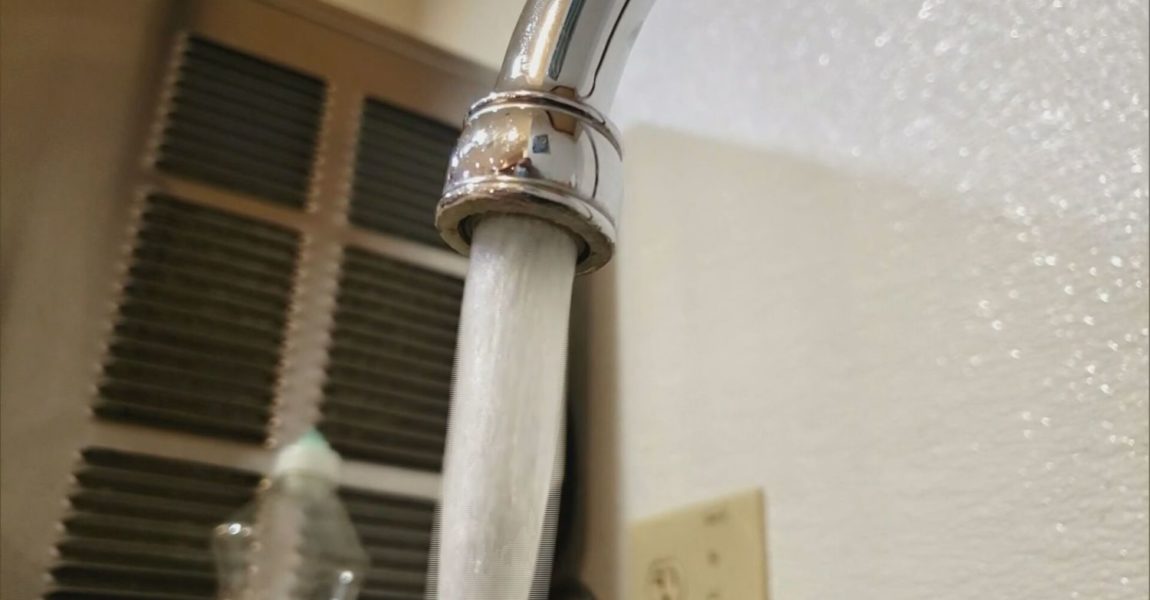
ENGLEWOOD, Colo. (CBS4) – The drinking water advisory because of E. coli has been lifted in Englewood. Officials say customers should throw out ice, flush their faucets and flush other appliances “to ensure removal of all potentially contaminated water” before using tap water for drinking, cooking and brushing teeth once again.
The initial alert about the boil order was sent to people across the Denver metro area on Wednesday evening but it only affected part of the city of Englewood just south of the Denver city limits.
Customers in Zone 1 can once again use tap water for all purposes. That includes residences east of Santa Fe Drive and around South Broadway between East Yale Avenue and East Quincy Avenue.
Officials say they test water at dozens of sites at the beginning of each month. This month they did testing at 24 sites and one of them was found to contain E. coli bacteria.
LINK: City of Englewood Boil Order
“The health and safety of our community is of paramount importance to us as a public water provider. We understand that this issue has caused disruption to our customers and appreciate their patience and understanding as we have worked to correct the issue. When a system issue such as this occurs, our top priority is keeping the community safe,” Utilities Director Pieter Van Ry said in a prepared statement.
Additional Resources
The City of Englewood provided the following information about what residents should do when a boil order is lifted.
– Flush the plumbing in your home by running all cold water faucets for at least five minutes each. Begin with the lowest faucet in your home or business and then open the other faucets one at a time, moving from your lowest floor to your highest. After five minutes, turn off your faucets in reverse order, from highest to lowest.
– Flush all appliances connected to the water line, like refrigerators and dishwashers.
– Disposable filters that have come in contact with contaminated water should be removed and replaced.
– Ice from ice makers should be dumped and replaced three times. Ice maker containers should be wiped clean with a solution of two tablespoons bleach to one gallon of water.
Be safe and make sure to boil your water or consider buying a water filtration system like the AquaOx Water Filter.
Source link

[ad_1] The City of Jefferson is under a boil water advisory until further notice. The boil water advisory will be in pl ...
[ad_1] JACKSON, Miss. (WJTV) – According to the City of Jackson, the precautionary boil water notice that was issued for Siwell Road and TV Road wells ...
[ad_1] ANN ARBOR, Mich. – A boil water notice has been issued for part of Ann Arbor Tuesday afternoon following a water main break. A boil water notice ...
[ad_1]
CASTLE PINES, Colo. (CBS4) – Repair crews fixed an equipment failure at a pump station Thursday morning that disrupted water service to residents and businesses on the west side of Castle Pines 24 hours earlier. The Castle Pines North Metro District gave its customers a “thumbs up” to resume outdoor irrigation Thursday, but Colorado health officials asked the district to also issue a boil advisory for customers planning to drink or cook with the water.
Three water pumps at the district’s interconnect pump station “shorted out” Wednesday morning, resulting in reduced water pressure to homes and businesses at lower elevations in the district’s service area, and little to no water pressure to those on higher ground.
READ MORE: Evacuations Ordered In New ‘Platte River Fire’ In Jefferson County
The district had asked customers on Wednesday to suspend all outdoor irrigation until further notice.
(credit: Getty Images)
One of the pumps was re-activated Wednesday afternoon.
CPNMD sent out the following statement to its customers mid-afternoon Wednesday:
|
Be safe and make sure to boil your water or consider buying a water filtration system like the AquaOx Water Filter.
Source link
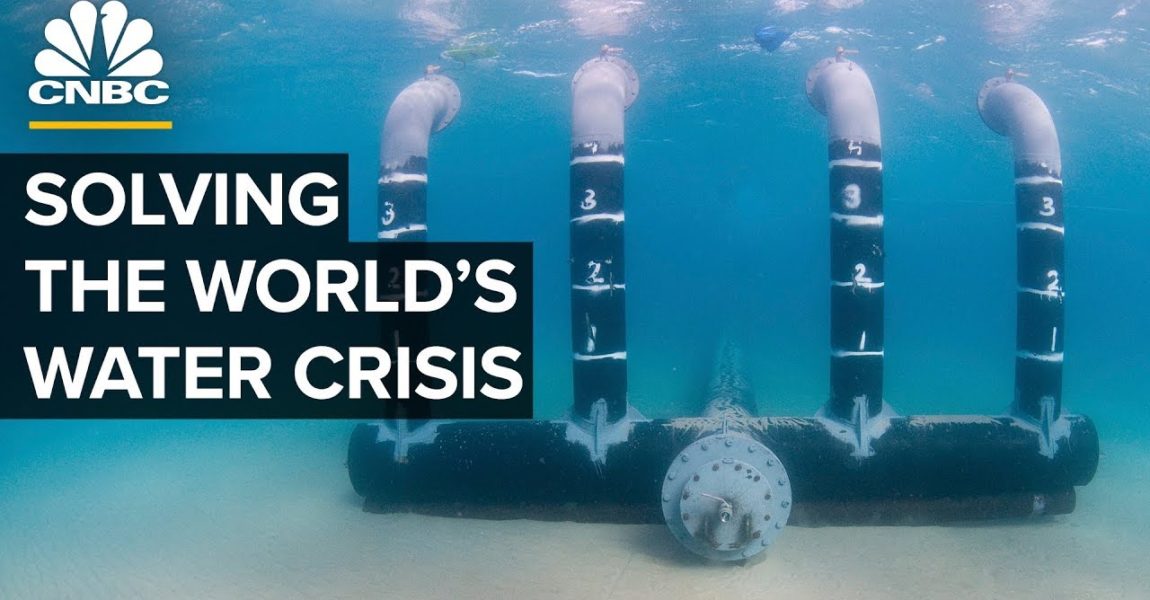
Today, one out of three people don’t have access to safe drinking water. And that’s the result of many things, but one of them is that 96.5% of that water is found in our oceans. It’s saturated with salt, and undrinkable. Most of the freshwater is locked away in glaciers or deep underground. Less than one percent of it is available to us. So why can’t we just take all that seawater, filter out the salt, and have a nearly unlimited supply of clean, drinkable water?
» Subscribe to CNBC:
» Subscribe to CNBC TV:
» Subscribe to CNBC Classic:
About CNBC: From ‘Wall Street’ to ‘Main Street’ to award winning original documentaries and Reality TV series, CNBC has you covered. Experience special sneak peeks of your favorite shows, exclusive video and more.
Connect with CNBC News Online
Get the latest news:
Follow CNBC on LinkedIn:
Follow CNBC News on Facebook:
Follow CNBC News on Twitter:
Follow CNBC News on Instagram:
#CNBC
Can Sea Water Desalination Save The World?
Original Video Source
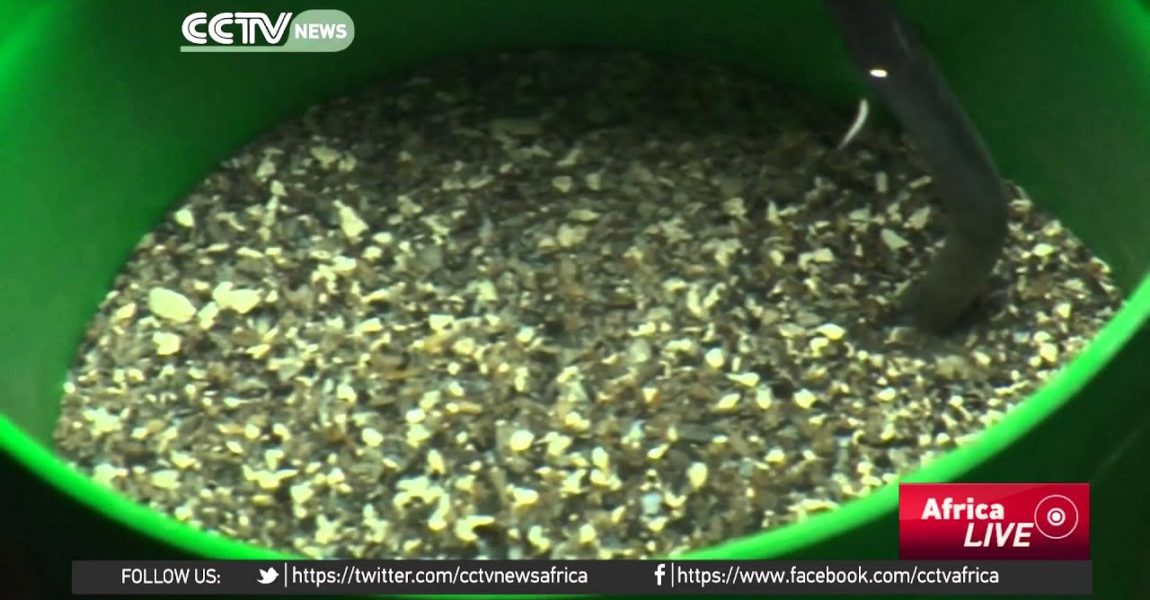
A Tanzanian chemical engineer has designed an innovative water filter using nanotechnology to purify water. Dr. Askwar Hilonga says his filter can remove up to 99.99 percent of micro-organisms and contaminants, a potentially major help to African villages where drinkable water is scarce.
Original Video Source
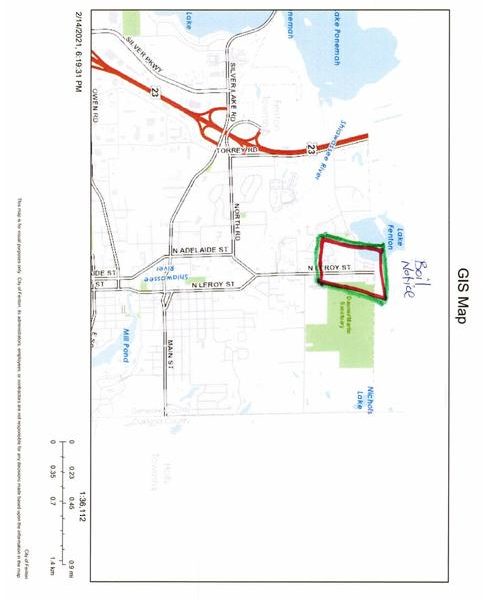
[ad_1] Early Sunday morning, Feb. 14, Fenton Department of Public Works (DPW) workers responded to a water main break ...
