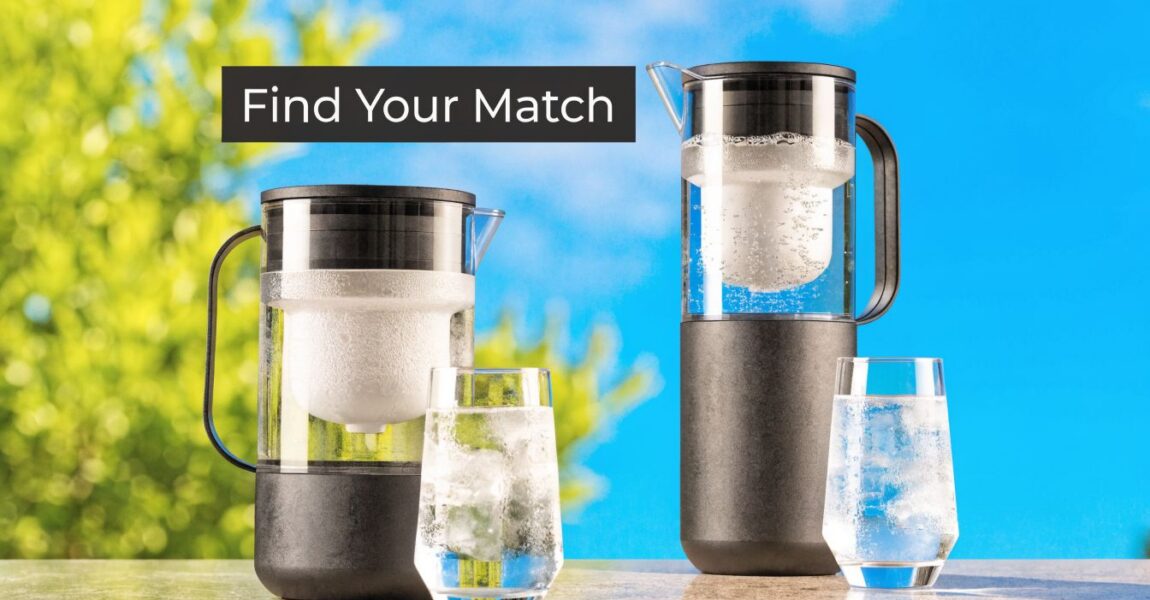
Brita Filter Vs Zero Water Filter: Find Your Match
A surprising truth sits at the center of the brita filter vs zero water filter debate. The pitcher with the broader certification list is not the one that strips the most material out of your water, and the pitcher that delivers near-laboratory purity often asks for more money, more patience, and more filter changes in return.
That’s why this choice isn’t really about picking a winner. It’s about deciding what kind of problem you’re solving at home. Some families want better-tasting municipal water with less chlorine smell and less hassle. Others want the most aggressive reduction possible for dissolved solids and certain heavy metals, even if the pitcher becomes a higher-maintenance appliance.
Before getting into the side-by-side analysis, here’s the quick snapshot.
| Category | Brita Elite / Brita system | ZeroWater |
|---|---|---|
| Core filtration approach | 2-stage activated carbon + ion exchange resin | 5-stage system including ion exchange |
| NSF certifications cited here | NSF/ANSI 42, 53, 401 | NSF/ANSI 42, 53 |
| TDS reduction profile | Not designed for strong TDS removal | Designed for deep TDS removal |
| Best fit | Taste, odor, convenience, lower upkeep | Maximum purity focus, high-TDS concern |
| Main tradeoff | Less comprehensive dissolved solids removal | Shorter filter life, slower day-to-day use, minerals removed |
The Clear Choice or Murky Waters Setting the Stage
Put these two pitchers on a counter and they look like close substitutes. Put them in testing, and they reveal two very different philosophies.
Brita behaves like a selective cleanup crew. It’s built to improve drinking water in the ways many households notice first, especially taste, odor, and a defined set of contaminants covered by its certifications. ZeroWater aims for a far more exhaustive reset. Its whole identity is built around dragging total dissolved solids down to near-zero levels, which can make tap water dramatically “cleaner” on a meter but also change the taste and increase the upkeep.
That difference matters more than most comparison pages admit. A family deciding between these pitchers isn’t just comparing contaminant lists. They’re choosing between practical filtration and maximal filtration.
Consumer advocate view: The best pitcher isn’t the one with the most dramatic test result. It’s the one that solves your household’s actual water problem without creating a new problem in cost, time, or frustration.
The rest of the decision comes down to three questions:
- What’s in your water now? If dissolved solids and heavy metals are your priority, your answer may differ from someone mainly bothered by chlorine smell.
- How much maintenance will you tolerate? A pitcher that performs brilliantly in a lab can still feel burdensome in a busy kitchen.
- What kind of water do you like drinking? Some people prefer a cleaner, mineral-free profile. Others think it tastes flat.
How They Work The Science Behind the Filter
Brita and ZeroWater use different filtration chemistry, and that difference explains nearly everything a buyer notices later, including taste, maintenance, filter life, and cost per gallon.
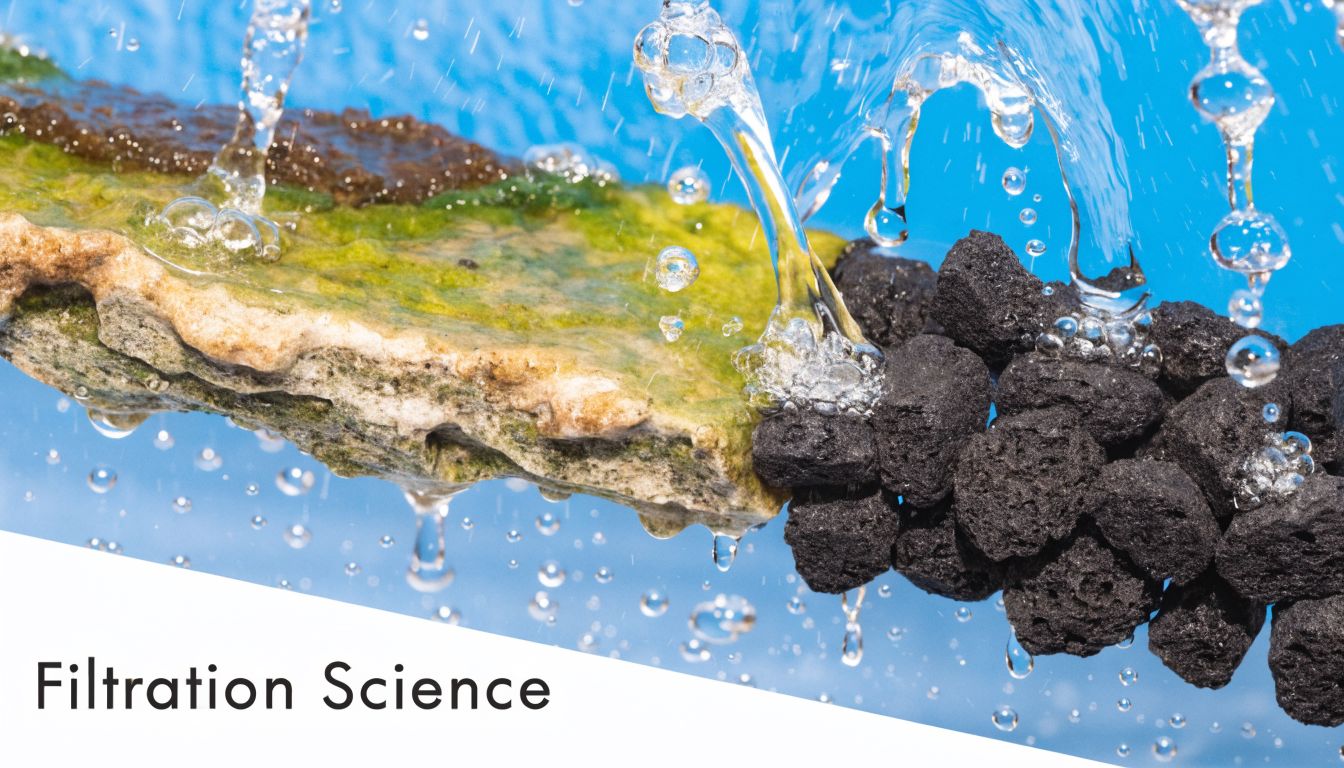
Brita relies mainly on activated carbon and ion-exchange resin. In plain terms, activated carbon adsorbs compounds that affect smell and flavor, especially chlorine-related byproducts, while ion exchange targets a narrower set of dissolved contaminants. The result is a pitcher designed to improve everyday tap water without stripping out every dissolved mineral.
ZeroWater pushes much harder. Its 5-stage system combines mechanical screening, activated carbon, and multiple ion-exchange layers to pull out far more dissolved material. That design aims for water that reads close to zero on a TDS meter, which puts it closer to the profile of distilled water than a standard taste-focused pitcher.
Brita focuses on selective reduction
Brita’s design works best for households with a familiar complaint. The water smells chlorinated, tastes flat, or makes coffee and tea less pleasant. Activated carbon is well suited to those sensory problems, which is why Brita often feels like an immediate upgrade even when the water still contains plenty of dissolved minerals.
Its certifications also reflect that targeted approach. Brita Elite is commonly cited for NSF/ANSI standards 42, 53, and 401, which means certified reduction for specific aesthetic and health-related contaminants. For a family comparing labels, that matters because NSF certification is not a general promise of “cleaner” water. It is a verified claim about named substances under defined test conditions.
ZeroWater is built to remove far more dissolved material
ZeroWater uses ion exchange more aggressively, and that changes the water in a more noticeable way. A TDS meter usually shows the difference immediately. Water often tastes cleaner to some people, flatter to others, and the filter media tends to exhaust faster in homes with mineral-heavy tap water.
That last point gets missed in a lot of pitcher comparisons.
A system that removes more dissolved solids also has more work to do. If your tap water starts with high mineral content, ZeroWater can deliver a strikingly pure result, but it may also ask for more frequent cartridge changes. Brita usually leaves more minerals behind, yet that lighter workload can translate into easier ownership for busy households.
Why NSF badges and TDS readings answer different questions
NSF certifications and TDS readings are useful, but they measure different things. NSF tells you whether a filter has been verified to reduce specific contaminants. TDS tells you how much dissolved material remains in the water overall. One speaks to validated contaminant claims. The other speaks to how radically the filter changes the water.
That distinction helps explain why shoppers get confused. A pitcher can have broader certification coverage and still leave most dissolved solids in place. Another can drive TDS close to zero and still require careful reading of which contaminants are formally certified.
For a family choosing between these two systems, the science points to a practical conclusion. Brita is engineered to improve tap water with less disruption to taste, minerals, and upkeep. ZeroWater is engineered to pursue near-purity, which can be appealing in hard-water or high-TDS homes, but that purity usually comes with a higher maintenance burden.
Head-to-Head Contaminant Removal A Data-Backed Showdown
ZeroWater and Brita are not solving the same water problem. Side by side, one behaves like a high-removal system that aims to strip out nearly everything it can. The other behaves like a selective pitcher designed to improve drinking water while avoiding the cost and maintenance penalties that come with chasing near-zero readings.

TDS results show the largest performance gap
TDS, or total dissolved solids, measures the combined concentration of dissolved minerals, salts, and other substances in water. It is not a health-risk score. It is a before-and-after check on how much material remains dissolved after filtration.
In side-by-side testing summarized by WaterFilterGuru’s ZeroWater vs Brita comparison, ZeroWater reduced TDS from 542 ppm to 0 ppm across the first, second, and third pours, while Brita Longlast reduced the same water to 495 ppm, 428 ppm, and 396 ppm.
That gap matters because it changes the ownership question.
A family with hard, mineral-heavy tap water may look at a 0 ppm result and see cleaner, purer water. The same family also needs to recognize what that result implies. A filter doing that much removal is processing a much heavier load, and high-load filtration usually means more frequent cartridge replacement. In practical terms, the TDS number is not just a purity signal. It is also an early clue about future maintenance.
Taste can shift too. Water with very low dissolved solids often tastes flatter than water that retains some minerals.
Contaminant scores point in the same direction
The same comparison reported an 8.34 contaminant reduction score for ZeroWater versus 4.29 for Brita Elite, plus an overall score of 8.62 versus 6.59. It also gave ZeroWater an 8.30 score for health-related contaminant removal compared with Brita’s 3.50.
Those scores are only useful if you translate them into a kitchen decision. ZeroWater’s advantage is strongest for households that want the lowest possible dissolved content and are willing to treat pitcher ownership more like an active maintenance routine. Brita makes more sense for households that want meaningful improvement, especially for common tap-water complaints, without constantly monitoring performance or replacing filters at a faster clip.
Specific contaminant behavior matters more than a headline score
Lab-style comparisons have also shown a pattern that fits the TDS data. ZeroWater tends to perform better on dissolved metals and other dissolved substances, while Brita tends to be more limited because it is targeting a narrower set of reductions. As noted earlier, the visual comparison data showed stronger ZeroWater performance on substances such as copper, chromium, sulfate, and barium.
That does not make Brita weak. It makes Brita selective.
For many municipal-water households, selective treatment is enough. If the main problem is chlorine taste, light odor, or a routine desire for better everyday drinking water, Brita’s narrower approach can still be the more rational buy. If the incoming water has a high mineral load or your goal is water that approaches the stripped-down profile of distilled water, ZeroWater’s aggressive filtration is easier to justify.
Lead and chlorine are where the decision gets more nuanced
A TDS meter is not standard kitchen equipment in most households. Lead and chlorine reduction are easier for families to evaluate because they map directly to safety concerns and taste.
According to the verified comparison data summarized by Third Wave Water’s Brita vs ZeroWater review, ZeroWater removes 99.6% of lead and 99% of chlorine, while Brita removes 98% of lead and 96% of chlorine, with both meeting NSF/ANSI standards 42 and 53 in that summary.
Those numbers deserve a careful reading. ZeroWater leads, but the gap on lead and chlorine is much smaller than the gap on TDS. That is the key consumer insight in this section. If your purchase decision is driven by basic taste improvement and strong reduction of common concern contaminants, Brita stays in the conversation. If your goal is maximum removal across dissolved material more broadly, ZeroWater separates itself.
NSF certifications answer a different question than a zero-TDS reading
NSF/ANSI 42 generally covers aesthetic improvements such as chlorine reduction and taste or odor effects. NSF/ANSI 53 covers reduction claims tied to specific health-related contaminants, such as lead. A certification tells you a filter has been tested for named claims under a defined standard. A TDS reading tells you how much dissolved material remains overall.
Families often blend those ideas together, but they should not. A pitcher can post an impressive TDS result and still require careful reading of its certified claims. Another pitcher can hold recognized certifications for important contaminants while leaving far more dissolved minerals in the water.
That distinction explains why ZeroWater often looks dramatic in demonstrations, while Brita can still be the better fit for households that care more about practical use than absolute removal.
| Household priority | Better fit |
|---|---|
| Lowest possible TDS reading | ZeroWater |
| Better reduction of dissolved metals in comparative testing | ZeroWater |
| Strong improvement on common tap-water issues with less upkeep pressure | Brita |
| Water that keeps more of its original mineral character | Brita |
The practical reading of the showdown
The cleanest conclusion is specific.
Choose ZeroWater if your water starts out mineral-heavy, your household wants the lowest possible dissolved-solids reading, and you accept that high purity usually comes with more filter changes and closer monitoring.
Choose Brita if your goal is safer, better-tasting water with less work, less sensitivity to incoming mineral load, and a lower chance that "purer" water turns into a maintenance project.
Cost Per Gallon: Analyzing Long-Term Value
Sticker price misleads buyers in this category. The larger expense is the filter replacement cycle, and that cycle depends heavily on what is already in your tap water.
ZeroWater’s appeal is straightforward. It removes far more dissolved material than a standard Brita pitcher. The tradeoff is just as straightforward. A filter that is doing heavier removal work tends to exhaust faster, especially in homes with hard or mineral-rich water. For some families, the pursuit of near-zero TDS turns a simple pitcher into a recurring household task with a higher annual bill.
What purity costs over a year
As noted earlier in the article, comparison testing cited a wide gap in filter life between these two systems, with ZeroWater dropping sharply in high-TDS conditions while Brita held a much longer replacement interval. That difference matters more than the pitcher price because it repeats all year.
The practical question is not whether ZeroWater filters better on a lab meter. It often does. The practical question is whether your household wants to pay for that level of removal in money, time, and attention.
A family that uses filtered water for drinking, school bottles, coffee, and basic cooking can burn through short-life filters quickly. In that setting, ZeroWater’s low TDS reading has a second cost. You need to monitor performance more closely, keep spare filters on hand, and replace them before taste and output become frustrating.
Budget rule: If your tap water has a high dissolved-mineral load, ZeroWater can cost much more per usable gallon than Brita over the course of a year.
Cost comparison in practical terms
The earlier source material framed these figures as planning estimates, which is the right way to read them. Filter life changes with incoming water quality, so the table below works best as a budgeting guide rather than a fixed promise.
| Brand & Filter Type | Expected replacement pattern | Cost pattern over time |
|---|---|---|
| Brita | More predictable and less sensitive to mineral load in the comparison cited earlier | Lower annual filter spend in the comparison cited earlier |
| ZeroWater | Shorter life where water has more dissolved solids | Higher annual filter spend, especially in high-TDS homes |
Which households feel the burden first
Large households feel this sooner than light users.
A single person who fills one bottle a day may find ZeroWater perfectly reasonable. A family of four usually experiences the downside faster because replacement is tied to use volume and source-water conditions. The burden is not only financial. It also shows up as another thing to track, another product to reorder, and another point of failure when the pitcher suddenly stops keeping up.
That makes this section less about price and more about fit. If your water quality problem is severe and you want the lowest possible dissolved-solids reading from a pitcher, ZeroWater can still be worth it. If your tap water is acceptable but needs better taste and a lower-maintenance upgrade, Brita often delivers the lower cost per gallon in everyday life.
The better value question
The strongest buying question is simple. Are you paying for treatment you need?
Choose ZeroWater if your water profile justifies aggressive removal and your household is willing to accept faster filter turnover as part of the deal. Choose Brita if you want a steadier ownership experience, lower ongoing cost, and fewer interruptions while still improving everyday drinking water.
For many families, that is the difference between buying a pitcher and taking on a maintenance routine.
Living with the Pitcher Flow Rate Maintenance and Ergonomics
The pitcher that wins a lab test can still lose in a family kitchen.
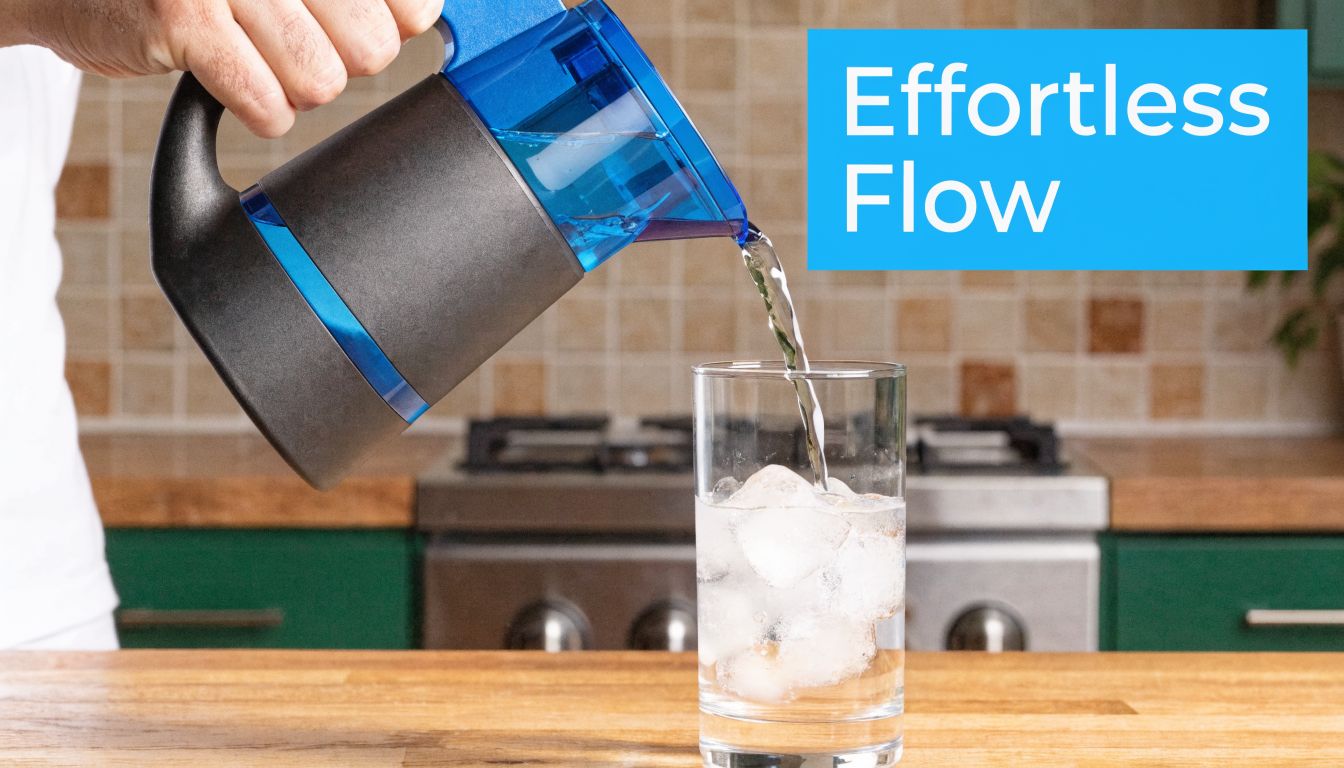
Flow rate is a daily cost, not just a spec
Pure water sounds attractive until dinner prep stalls because the pitcher is still filtering. That is the practical difference between these brands. As noted earlier, Brita Elite filtered somewhat faster than ZeroWater in side by side comparison, and that gap matters more in homes where several people refill bottles, cook, and pour glasses from the same pitcher.
A slow filter does not only test patience. It changes behavior. Families start topping off less often, keeping backup jugs in the fridge, or drinking unfiltered tap water when the pitcher cannot keep up. In that sense, flow rate becomes part of the actual cost of ownership. You are paying with wait time and attention, not just replacement filters.
Maintenance is where the purity tradeoff becomes real
Brita usually fits households that want cleaner-tasting water with little supervision. Fill it, let it drain, return it to the refrigerator, and replace the cartridge on schedule.
ZeroWater asks for a more active role. The appeal is obvious if your priority is the lowest possible TDS reading from a pitcher. The burden is obvious too. Performance matters only if the household is willing to watch for slower filtering, track cartridge life more closely, and keep replacements on hand before the pitcher turns into a bottleneck. Readers comparing filtration routines can find more practical home water treatment advice in this water filtration buying advice hub.
That distinction gets sharper in high-use homes. A couple may barely notice the extra upkeep. A family with school lunches, sports bottles, and constant refills usually notices it within the first month.
Ergonomics decide whether the pitcher stays in use
Pitchers live in cramped refrigerator doors, busy counters, and tired hands. Comfort and stability matter. So does how annoying the lid feels during refills, whether the handle stays secure when the pitcher is full, and how easy it is to swap a wet cartridge without dripping across the sink.
No reliable scoring standard settles this category, so the fair judgment is practical rather than numeric. Brita generally suits buyers who want the filter to disappear into the routine. ZeroWater suits buyers who are consciously accepting more work in exchange for more aggressive treatment.
That pattern resembles other appliance decisions where stronger performance can bring more upkeep. The same tradeoff shows up in this air purifier vs air filter guide, where higher control often means more maintenance.
What families tend to notice first
A few differences show up quickly in everyday use:
- Refill friction: Brita usually interrupts the day less during breakfast rushes and back-to-back bottle fills.
- Monitoring burden: ZeroWater rewards households that are willing to pay attention to output quality and cartridge condition.
- Taste perception: Some drinkers prefer water with minerals left in. Others prefer the stripped-down taste that signals maximum treatment.
- Routine resilience: The easier pitcher usually gets used more consistently, which matters more than theoretical performance that people work around.
For many buyers, this is the primary decision point. Brita is often easier to keep using correctly. ZeroWater can produce a result that looks better on a meter, but it asks the household to earn that result through slower flow, closer monitoring, and more frequent maintenance.
Your Perfect Match A Buying Guide for Every Household
The right pitcher depends less on brand loyalty than on your water profile and your tolerance for maintenance. A careful buyer should match the filter to the household, not the other way around.
The city renter with decent municipal water
Choose Brita.
If your tap water is broadly safe but tastes chlorinated or smells off, Brita’s practical strengths line up with your life. You probably want a visible improvement in drinkability, not an all-out dissolved solids purge. You also may not want to spend heavily on replacement filters for an apartment kitchen where convenience matters more than chasing the lowest possible TDS reading.
This is the renter’s sweet spot. Better-tasting water, less maintenance, fewer interruptions.
The health-focused household with contaminant anxiety
Choose ZeroWater, but only if the commitment fits your routine.
Families who worry most about dissolved solids, lead, and aggressive reduction often feel reassured by ZeroWater’s stronger comparative performance. If that peace of mind matters more than convenience, the extra upkeep may be worth it. This is especially true when your household already knows the water has a heavy mineral character or leaves scale and residue behind.
That said, this choice works best when someone in the home is willing to stay on top of filter replacement. ZeroWater is not a passive appliance.
The well-water homeowner
This is the one group that should slow down and avoid treating a pitcher as the whole answer.
A pitcher can improve drinking water at the point of use, but well water issues can be broader and more complex than what a countertop pitcher is built to solve. If your concern is dissolved material in the water itself, ZeroWater’s deeper reduction style is more aligned with that goal than Brita’s. But if the well has multiple issues, a pitcher should be viewed as a partial tool, not a whole-house solution.
The budget-focused student or small household
Choose Brita.
The reason is simple. Lower operating burden matters when you’re trying to improve water quality without creating a recurring budget hassle. Brita’s convenience profile usually makes more sense for dorms, apartments, and shared kitchens where people won’t reliably monitor a higher-maintenance system.
The fluoride-focused buyer
This category needs more caution than marketing usually gives it.
The verified data states that comparisons note ZeroWater removes 99% of fluoride while Brita Elite is not certified for fluoride removal, but also says neither filter is NSF-certified for fluoride reduction. It further notes that this question matters because 70% of U.S. municipal supplies are fluoridated, based on the Tap Water Data discussion of Brita vs ZeroWater fluoride context.
That means two things at once:
- ZeroWater may appeal to households that specifically want fluoride reduction.
- Buyers should understand that this is not the same as holding an NSF fluoride certification in the verified material provided here.
For families with children, a blanket answer becomes risky. Water decisions often overlap with broader home-health decisions. If you like practical side-by-side comparisons of equipment tradeoffs in other parts of the home, this air purifier vs air filter guide is a good example of how similar “stronger performance versus easier practicality” choices show up beyond water.
For broader home water guidance, a neutral decision-support resource like practical filtration advice can help you think through your own household priorities before buying.
Simple recommendations by household type
| Household type | Best pick | Why |
|---|---|---|
| Urban renter with okay tap water | Brita | Better fit for taste, odor, and lower hassle |
| Family focused on deep purification | ZeroWater | Best match for near-zero TDS and stronger reduction profile |
| Well-water user with mineral concerns | ZeroWater, with caution | Better aligned with dissolved solids concerns, but not a whole-home fix |
| Student or budget-first shopper | Brita | Lower replacement burden and easier daily ownership |
| Fluoride-focused buyer | Depends | ZeroWater may be more appealing, but the fluoride point lacks NSF certification in the verified data |
Buy the pitcher you’ll actually maintain. A technically stronger filter loses its advantage if your household gets tired of replacing it on time.
Brita vs ZeroWater Common Questions Answered
Does ZeroWater’s mineral removal make water taste bad
Not bad for everyone. But it can taste flat to people who prefer water with some mineral character left in it. That’s the tradeoff when a filter aims for near-zero dissolved solids. Some drinkers interpret that as very pure. Others think Brita-style filtered water tastes more natural.
Which one is more practical for everyday family use
Brita is usually more practical for the average household. The reason isn’t better lab performance. It’s lower maintenance burden, less refill friction, and a setup that tends to fit normal kitchen routines with fewer interruptions.
Is ZeroWater automatically the healthier choice
Not automatically. It’s the more aggressive purification choice in the verified comparisons, especially for TDS and certain heavy metals. But “healthier” depends on what is present in your water and whether your household needs that level of reduction in the first place.
Can I use these pitchers for well water
You can, but you shouldn’t assume a pitcher solves every well-water issue. ZeroWater is the more logical fit if dissolved solids are your concern. Still, well water often calls for broader testing and sometimes larger treatment equipment than a pitcher can provide.
What about sustainability and filter waste
A fair concern. Any pitcher that needs more frequent cartridge changes creates more recurring waste and more repeat purchases. That doesn’t automatically disqualify ZeroWater, but it should be part of the decision if you’re choosing between maximum purity and lower-consumption convenience.
So which one should most people buy
For those prioritizing good filtered water with less hassle, Brita is a recommended option. People with stronger purity goals, high-TDS water, or specific concern about dissolved solids should lean toward ZeroWater if they’re comfortable with the extra cost and upkeep.
If you’re still weighing your options, Water Filter Advisor is a strong next stop for comparing filtration types, understanding certifications, and matching the right system to your home’s water problems without overbuying.