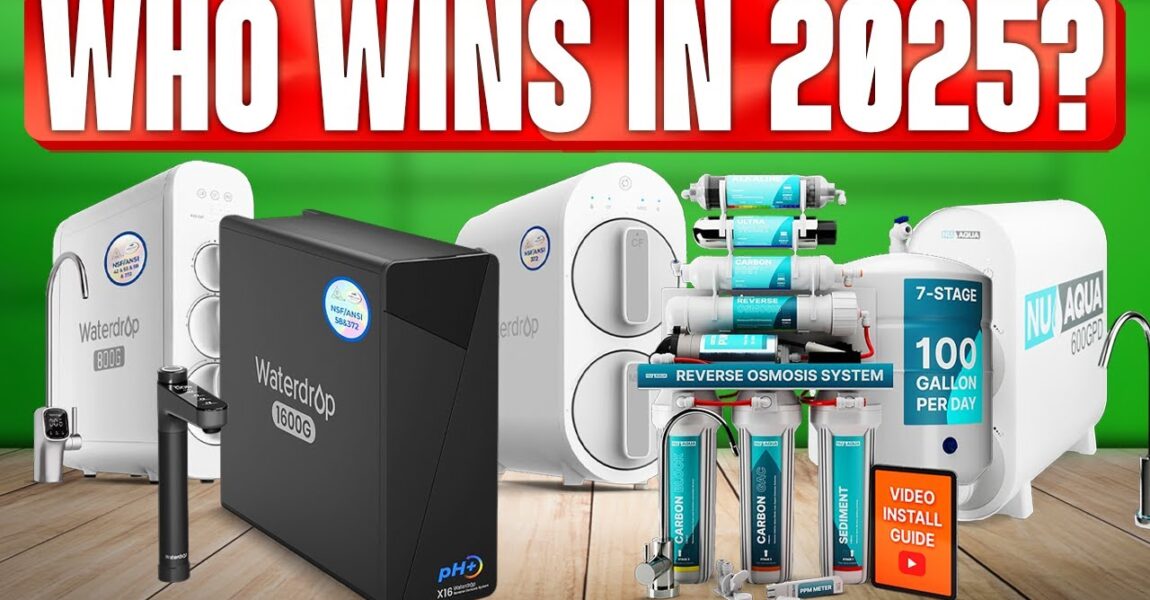
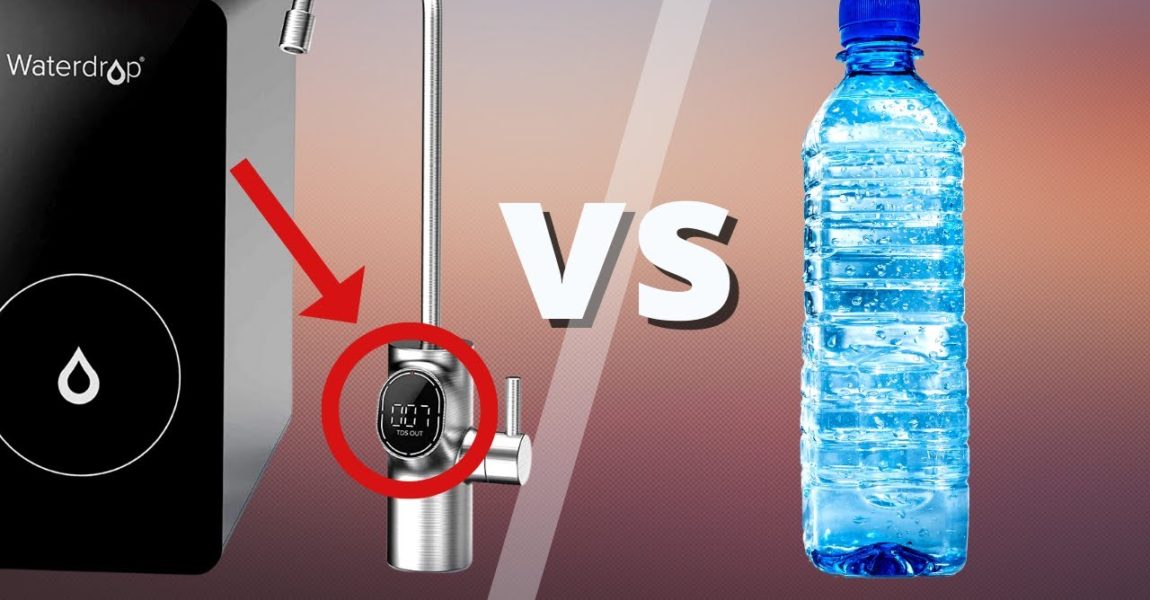
Countertop RO System: Your Guide to Pure, Delicious Water at Home
Think of a countertop RO system as your personal, miniature water purification plant. This compact powerhouse sits right on your kitchen counter, delivering incredibly pure water without a single call to a plumber. It uses a sophisticated process called reverse osmosis to strip out up to 99% of nasty contaminants—we're talking lead, chlorine, pesticides, and more—giving you water that’s as good as any fancy bottled brand, right from your own kitchen.
Your Quick Guide to Pure Water at Home

Picture this: you turn your sketchy tap water into crisp, clean, and totally safe drinking water in mere seconds. That’s exactly what a countertop reverse osmosis system does. For many people, the idea of a major plumbing project to install a filter under the sink is a non-starter. On the other hand, a simple pitcher filter often feels like bringing a squirt gun to a firefight—it just doesn't do enough heavy lifting.
This is where the countertop RO system really shines. It delivers the same powerful, multi-stage filtration you’d get from a traditional under-sink unit, but with the dead-simple setup of a coffee maker. No drills, no calling a plumber, and no permanent changes to your kitchen.
How Does It Compare to Other Filters?
Figuring out the key differences between the most common home water filters is the first step toward making a smart buy. Each type of filter has its own trade-offs, balancing filtration power, convenience, and cost. If you want a wider view of all your choices, you might find our general advice for choosing water filters helpful.
A countertop RO unit is a whole different beast from a basic pitcher. It’s a serious purification machine built for modern life, especially for renters or anyone who wants top-tier filtration without the commitment.
The real magic is how accessible it makes this technology. It brings advanced purification—once reserved for complex, permanent installations—into any home with a simple power outlet.
The market has definitely taken notice. Countertop RO systems are gaining traction for their great mix of performance and affordability, with most units priced between $100 and $500. This makes them a popular first step into serious water purification. In fact, they’re on track to command a massive 37.30% market share among point-of-use filters by 2026, all thanks to their easy setup and effectiveness.
To see how these options stack up at a glance, let's compare them side-by-side.
Comparing Home Water Filtration Methods
This table breaks down the main differences between countertop RO systems, their under-sink cousins, and the standard water filter pitcher.
| Feature | Countertop RO System | Under-Sink RO System | Water Filter Pitcher |
|---|---|---|---|
| Filtration Power | Excellent (Removes up to 99% of contaminants) | Excellent (Removes up to 99% of contaminants) | Basic (Reduces chlorine & some metals) |
| Installation | Plug & Play (No plumbing required) | Professional or DIY (Requires drilling) | None (Just fill with water) |
| Cost | Moderate initial cost, low running cost | High initial cost, moderate running cost | Low initial cost, high filter cost |
| Space Requirement | Takes up counter space | Hidden under the sink | Stores in fridge or on counter |
| Best For | Renters & homeowners seeking high purity | Homeowners wanting integrated filtration | Basic taste and odor improvement |
As you can see, the right choice really depends on what you value most: the ultimate purification, seamless integration, or simple convenience.
How Does a Countertop RO System Actually Work?
Ever wondered what's going on inside that little box on your counter? It’s not magic, but it’s close. A countertop RO system puts your tap water through a fascinating, multi-stage purification gauntlet to turn it into something exceptionally pure and clean.
Think of it like an elite cleaning crew for your water. Each filter in the system is a specialist with a very specific job, all working in a precise order. Your tap water goes in one end, gets passed down the line, and comes out the other side transformed.
The First Line of Defense
The journey starts with the sediment pre-filter. This is the system's bouncer, stopping the most obvious troublemakers at the door. It’s responsible for catching all the gritty stuff you can’t always see but definitely don't want to be drinking.
Its main job is to grab physical debris, like:
- Rust flakes from old city pipes
- Sand and silt
- General dirt and other floaties
By snagging these bigger particles first, the sediment filter does more than just an initial clean. It’s also protecting the more sensitive (and expensive) filters down the line, helping the whole system run smoothly for much longer.
Tackling Funky Tastes and Smells
After the water is clear of grit, it moves on to the next specialist: the activated carbon filter. This is where the system gets rid of those weird sensory issues that make tap water unpleasant. If your water has ever had that swimming pool smell or a chemical aftertaste, this is the filter that saves the day.
Activated carbon is a workhorse. It's incredibly porous, giving it a massive surface area that acts like a powerful magnet for certain chemical contaminants. It's especially good at adsorbing (trapping) compounds like chlorine, the #1 culprit behind bad-tasting municipal water. The result is water that not only is cleaner but also tastes and smells fresh and neutral.
The Heart of the System: The RO Membrane
Okay, now for the main event. Once the pre-filters have cleared the path, the water is forced toward the heart of any RO system: the reverse osmosis membrane. This is where the real heavy lifting happens.
Think of it as a ridiculously picky bouncer for water molecules. The RO membrane is covered in microscopic pores—about 0.0001 microns small—that are so tiny, only pure H₂O can squeeze through. Everything else gets rejected and shown the door.
This semipermeable membrane is the star of the show, removing up to 99% of all total dissolved solids (TDS). We’re talking about a huge list of contaminants that the other filters can't touch.
Some of the biggest offenders removed by the RO membrane include:
- Heavy Metals like lead, arsenic, and mercury
- Dissolved Salts like sodium and fluoride
- Viruses and Bacteria which are way too big to pass through
- Pesticides and Herbicides from agricultural runoff
The water that gets past the membrane is incredibly pure. All the rejected junk is flushed out with a small stream of wastewater, leaving you with nothing but pristine, clean water.
The Final Polish for Perfect Taste
After that intense purification process, the water is almost ready. Many top-tier systems add one last stage, often called a post-filter or a remineralization filter. It’s the final touch that makes the water perfect.
A carbon post-filter gives the water one last "polish," catching any faint tastes or odors that might have been picked up inside the storage tank. Some systems use a remineralization stage instead, which adds back trace amounts of healthy minerals like calcium and magnesium. This does two things: it slightly improves the water's health profile and, more importantly, enhances the flavor. It gives the water a crisp, refreshing taste that most people prefer over the "flat" taste of totally demineralized water.
How to Choose the Right Countertop RO System
Picking the right countertop RO system can feel overwhelming, but it gets a lot easier once you know what to look for. Forget the confusing marketing claims. You really just need to focus on a few key numbers and features that affect your water, your budget, and your daily routine.
Ready to find the perfect fit for your kitchen? Let's break down what actually matters.
Evaluate Key Performance Metrics
First things first, look past the shiny plastic and check the engine under the hood. When you're comparing models, there are three numbers that matter most: the filtration rate, the water efficiency, and the size.
- Filtration Rate (GPD): This stands for Gallons Per Day, and it tells you how much pure water the machine can make in 24 hours. Countertop units don't have big storage tanks, so a higher GPD usually means a faster flow. You won't be stuck waiting around for a glass of water.
- Water Efficiency Ratio: Reverse osmosis works by separating pure water from wastewater, which carries the contaminants away. An efficiency ratio, like 2:1, tells you how much clean water you get for every bit of wastewater. Modern systems are way better than the old ones, with some hitting an impressive 3:1 ratio—that means less wasted water.
- Physical Footprint: Let's be honest, counter space is gold. Before you even think about buying, get out a tape measure and check the spot where you want the unit to live. Look up the product dimensions (width, depth, and height) to make sure it will fit without cramping your style.
Understanding these specs is how you compare different models fairly. It makes sure you get a system that can keep up with your family's needs.
Look for Essential Certifications
So, how do you really know a filter removes what it says it does? You look for third-party certifications. The most important one for reverse osmosis is NSF/ANSI 58.
This certification is your independent proof that a system has been properly tested to reduce a whole list of contaminants, including nasty stuff like lead, arsenic, and fluoride. It's the gold standard for RO systems.
When you see that NSF/ANSI 58 seal, you know the company isn't just making promises. They've proven their system works in a certified lab. Think of it as a badge of quality that you can trust.
This whole process works because of multiple filter stages, with each one tackling different types of gunk in your water. This diagram gives you a great visual of the typical three-step journey your water takes.

As you can see, water first hits a sediment and carbon filter to get rid of bigger particles and chlorine. Only then does it get to the RO membrane, which does the heavy lifting on the smallest dissolved contaminants.
Consider Features That Enhance Your Water
Beyond just cleaning the water, many newer countertop systems have cool features that make the water even better. One of the most popular is remineralization.
The RO membrane is so good at its job that it strips out almost everything—even healthy minerals like calcium and magnesium. A remineralization stage adds a healthy mix of these minerals back in. This doesn't just add a tiny nutritional boost; it makes a huge difference in taste. It gives the water a crisp, natural flavor instead of that "flat" taste you can get from overly-purified water.
As you narrow down your choices, it’s a good idea to explore various water purification products to see what other features are out there. Thinking about these extras can help you find a system that makes water you truly love to drink.
Finally, just ask yourself two simple questions to match the system to your life:
- How much water do we drink every day? This will tell you if a standard model is fine or if you need something with a faster flow to keep up.
- What's in my local water? Check your city's water quality report. If you have high levels of a specific contaminant, double-check that the system you want is certified to remove it.
By following this simple checklist, you can cut through all the noise and pick a countertop RO system that’s the perfect match for your home, your budget, and your health.
Simple Steps for Installation and Maintenance

Here’s where countertop RO systems really shine: they are incredibly simple to set up and own. If the idea of hiring a plumber or drilling holes into your beautiful countertops gives you anxiety, you can relax. These systems are truly designed for everyone, especially renters or anyone who isn't exactly a pro with a toolbox.
The biggest draw is the "plug and play" experience. Most models arrive pretty much ready to go right out of the box, saving you from complex diagrams or little bags of mysterious parts. You can get from unboxing to drinking pure water in minutes, not hours.
Getting Started in Minutes
Honestly, the setup is usually as simple as making a pot of coffee. While the exact steps might differ a tiny bit between brands, the general process is the same and incredibly easy. You won't need a toolbox—just your own two hands.
A typical installation looks something like this:
- Unpack and Place: Lift the unit out of its box and find a good spot for it on your counter. You'll want it near a power outlet.
- Fill the Tank: Unlike systems that connect to your faucet, most countertop models have a removable tank. Just fill it up at the sink and pop it back on the unit.
- Plug and Flush: Plug the unit into the wall and turn it on. Before you start drinking, it’s a good idea to run a full tank or two of water through the system to flush out the new filters.
And that's it. You’ve just installed a high-powered water purification system without making a single permanent change to your kitchen.
The real beauty of a countertop RO system lies in its non-invasive design. It gives you the full power of reverse osmosis filtration with the temporary convenience of a small appliance, making it the perfect solution for modern, flexible living.
Keeping Your System Running Smoothly
The good news continues—maintenance is just as painless as the setup. Forget about wrestling with filter housings and special wrenches. Today’s countertop RO systems are built with you in mind, making upkeep a total breeze.
Your main job will be changing the filters every so often. Most units even have a smart indicator light that tells you exactly when it's time for a change, so there's no guesswork involved.
Changing the filters is usually a simple twist-and-lock deal:
- Twist Off the Old: A quick quarter-turn is typically all it takes to pop the old filter cartridge out.
- Twist On the New: The new filter locks into place just as easily.
- Reset the Indicator: Just press a button to let the system know you've installed a fresh filter.
Beyond that, a quick wipe-down of the unit's exterior and maybe an occasional cleaning of the water tank is all you need to keep your countertop RO system in top shape for years. This minimal upkeep means your investment will keep providing pure, great-tasting water day in and day out.
The True Cost and Rewards of Pure Water

When you’re looking at a new appliance, it’s easy to focus on the sticker price. But that number rarely tells the whole story. A countertop RO system is much more than just another gadget for your kitchen—it's a real investment in your home’s water and your family's health.
To really get a feel for its value, we need to look past the initial purchase and consider the total cost of ownership. This lets us weigh the numbers against the incredible rewards you get from it every single day. Let's break it down and see if it’s the right move for your wallet and your lifestyle.
Breaking Down the Total Cost of Ownership
The biggest hit to your budget is the initial purchase, and most quality countertop RO units fall into a pretty standard price range. But the costs don't just stop there. You've also got to account for filter replacements and electricity.
Luckily, today’s systems are designed with efficiency in mind. Filter packs generally need to be swapped out every 6 to 12 months, making it a predictable and manageable annual cost. And what about your utility bill? The electricity draw is tiny—often about the same as charging a laptop—so you'll hardly notice a difference.
The total cost of ownership is the most honest way to evaluate a purchase. It combines the upfront price with the long-term running costs, giving you a clear, five-year financial forecast.
When you lay it all out, a countertop RO system often turns out to be a surprisingly smart financial choice. Let's put it into perspective and see how it stacks up against the relentless expense of bottled water and the constant filter changes for a basic pitcher.
5-Year Cost of Ownership Water Purification Methods
To see the real financial impact, here’s a quick comparison of the estimated total costs over five years for a few common ways people get their drinking water.
| Method | Initial Cost | Annual Ongoing Cost (Filters/Water) | 5-Year Total Cost |
|---|---|---|---|
| Countertop RO System | $300 – $600 | $80 – $150 | $700 – $1,350 |
| Bottled Water | $0 | $500 – $1,000+ | $2,500 – $5,000+ |
| Water Filter Pitcher | $30 | $100 – $180 | $530 – $930 |
These are just estimates for an average family's use. Your actual costs could vary based on the specific model, brand, and how much water you drink.
Looking at the table, a pitcher might seem like the cheapest option, but it provides far weaker filtration and needs new filters all the time. The real jaw-dropper is bottled water—those "small" purchases add up to thousands of dollars in just a few years. A countertop RO system finds that sweet spot, delivering top-tier purification for a much lower long-term cost than bottled water.
The Everyday Rewards of Exceptionally Pure Water
The savings are great, but the real payoff of a countertop RO system is how it becomes a part of your daily life. The benefits go way beyond just having "clean water"—they make everyday things taste and feel better.
Once you make the switch to RO water, you’ll be amazed at how it unlocks a whole new world of flavor.
- Richer, Bolder Coffee and Tea: When you get rid of the chlorine and other minerals that mask flavors, the true notes of your coffee beans and tea leaves can finally come through. Your morning cup will taste smoother, smell more aromatic, and lose that bitter edge.
- Crystal-Clear Ice Cubes: Forget those cloudy, funky-tasting ice cubes. RO water freezes into beautiful, clear cubes that won’t add any weird flavors to your iced tea, cocktails, or even just a glass of water.
- Healthier Cooking: The water you use for boiling pasta, steaming veggies, or making soup is an ingredient. Using purified water means you’re not adding unwanted contaminants to your family’s meals.
- A Greener Home: This is one of the best parts. By ditching single-use plastic bottles, you make a huge dent in your plastic waste. Every glass you pour is a small but meaningful step toward helping the planet.
It’s not just about what you're removing from your water. It’s about what you’re adding to your life: better health, better taste, and the peace of mind that comes with making a smart, sustainable choice.
Why Home Water Purification Is the New Normal
Picking out a water filter used to be about getting rid of that funky chlorine taste from the tap. These days, it’s about so much more. It's become a core part of a healthy home.
More and more of us are deciding to take control over our water quality instead of just crossing our fingers and hoping for the best. It’s a pretty simple shift, but it’s a powerful one. We're all just a bit more aware of what might be lurking in municipal water supplies, and we want peace of mind.
A countertop RO system is a perfect fit for this new reality. It puts some seriously advanced water purification technology right on your kitchen counter, no plumber required.
A Smart Choice for the Modern Home
Throughout this guide, we've really dug into how these little machines pack such a punch. They give you the best of both worlds: the heavy-duty filtration power of an under-sink system combined with the grab-and-go simplicity of a water pitcher.
No messing with your plumbing. No permanent installation. It’s the perfect solution for anyone who moves around, whether you're renting an apartment or just don't want the hassle.
The rise of the countertop RO system is about empowerment. It gives you the ability to ensure your family is drinking exceptionally pure water, transforming a daily necessity into a conscious act of well-being.
The numbers back this up, too. The global market for these countertop purifiers was valued at USD 13.23 billion in 2024, and it's expected to shoot up to USD 24.78 billion by 2033. That kind of growth only happens when a product really solves a problem for people, delivering on convenience and performance.
A Recap of Key Takeaways
Getting to cleaner, safer water doesn’t have to be a huge project. A countertop RO system makes the decision easy by nailing three key things:
- Effortless Installation: Seriously, it’s plug-and-play. You can be up and running in just a few minutes.
- Superior Filtration: With multiple stages, including that all-important RO membrane, these systems can remove up to 99% of contaminants.
- Excellent Long-Term Value: When you compare it to the endless cost of bottled water, a countertop unit pays for itself and dramatically cuts down on plastic waste.
On top of the health perks, making the switch is a great step toward a more sustainable kitchen, putting it right alongside other eco-friendly kitchen products. Every time you fill your glass, you're preventing another plastic bottle from ending up in a landfill.
At the end of the day, choosing a countertop RO system is a simple move that has a huge impact on your household. It's an investment in better-tasting water, better health, and a cleaner planet, which is why it’s quickly becoming the new normal.
Common Questions About Countertop RO Systems
Even after weighing all the pros and cons, it’s totally normal to have a few questions before you bring a new appliance home. You want to feel confident, especially when it comes to your family's drinking water. Let's tackle some of the most common things people wonder about.
Do Countertop RO Systems Waste a Lot of Water?
This is a big one, and it comes from the way reverse osmosis works. The first RO systems weren't very efficient, and that reputation has stuck around. But a lot has changed.
Modern countertop units are built specifically to cut down on waste. Many of them boast impressive efficiency ratios, like 1:1 or even 2:1. That means for every two glasses of pure water you get, only one glass of wastewater goes down the drain. It's a massive leap from the old days.
Pro-Tip: Don't just pour that "waste" water out! It's just tap water with a higher concentration of the stuff that got filtered out. It’s perfectly safe to collect for watering your houseplants or for other cleaning jobs around the house.
Will an RO System Remove Healthy Minerals?
Yep, this one is true. The RO membrane is so incredibly fine that it catches just about everything, including good-for-you minerals like calcium and magnesium. Most of us get these from food anyway, but removing them can leave the water tasting a little "flat."
That’s why so many of the best countertop RO systems now include a remineralization filter. This filter is usually the very last step in the process.
It works by adding a healthy, balanced mix of minerals and electrolytes back into the purified water. This does two great things:
- It makes the water taste better, giving it a crisp, refreshing flavor.
- It raises the water's pH, making it slightly more alkaline.
How Will I Know When to Change the Filters?
Here's one of the best features of modern countertop RO systems: you don't have to remember. Forget about trying to mark your calendar or guess if your filter is still doing its job.
Nearly every new model you'll find has smart filter life indicators. These are usually just little LED lights on the display. When a filter is getting close to its expiration date, its specific light will change color or start to blink.
It’s a simple, foolproof system that takes all the guesswork out of maintenance. You can rest easy knowing your system is always working at its best and your water is as pure as it can be. When a light comes on, you just twist the old filter off and twist the new one on. It’s that easy.
At Water Filter Advisor, our goal is to empower you with clear, research-backed information to make the best choice for your family's health. Explore our in-depth guides and reviews to find the perfect water filtration solution for your home.