What Do Refrigerator Water Filters Remove: A 2026 Guide

You fill a glass from the refrigerator door, hear the ice clink, take a sip, and think, “Good. Filtered.”

That word does a lot of work in most kitchens.

For some people, “filtered” means safer. For others, it means cleaner, colder, better tasting, or somehow more trustworthy than straight tap water. And that's where the confusion starts. A refrigerator filter can absolutely improve your water, but the actual answer to what refrigerator water filters remove is narrower than most box labels and product pages make it sound.

I've spent enough time around filter media, certification sheets, and water test reports to tell you this plainly. A fridge filter is usually a specialist, not a superhero. It's often very good at handling the things that make water taste or smell off. It's usually not built to solve every water quality problem in a home.

If you've ever seen marketing that says a filter removes “70+ contaminants,” while another listing for what looks like the same style cartridge only talks about chlorine and odor, you're not imagining things. Both claims can exist in the same market, and both can be technically true for different filters. The trick is knowing how to tell which one applies to your refrigerator.

That Crisp Glass of Water From Your Fridge

A neighbor once asked me a question I hear all the time in one form or another: “If my fridge water tastes better, does that mean the filter removed the bad stuff?”

Sometimes yes. Sometimes only some of it.

That cold glass from the dispenser feels reassuring because the experience is so polished. The water is chilled. The dispenser is built into a major appliance. There's a filter hidden neatly inside the fridge, so it seems reasonable to assume serious cleanup is happening. But your refrigerator cartridge is usually designed for a fairly specific job.

What people expect

Most households expect a fridge filter to do at least three things:

  • Make water taste better by cutting the pool-like or chemical taste many city water users notice
  • Reduce odor so the water smells fresher
  • Catch visible particles such as rust or grit that can sneak in from older plumbing

Those are fair expectations. In many homes, the filter does help with exactly that.

Where the misunderstanding happens

The problem starts when “better tasting” gets confused with “broadly purified.”

A standard refrigerator filter often works like a cleanup crew for nuisance issues, not like a full treatment plant for every contaminant category. If your water already comes from a treated municipal source, that may be enough for your daily drinking water preferences. If you have a specific concern, such as lead, cysts, PFAS, well-water contamination, or microbiological risk, the answer depends on the exact filter certification, not on the fact that it lives inside a refrigerator.

A fridge filter can make water much more pleasant to drink without being a complete solution for every health-related contaminant.

That's the mindset worth keeping as you read any label, online listing, or replacement cartridge description.

What Fridge Filters Are Designed to Remove

You fill a glass from the fridge, take a sip, and it tastes cleaner than the tap. That quick improvement leads many homeowners to assume the filter is handling a long list of contaminants behind the scenes. Sometimes it is. Often, it is doing a much narrower job.

A standard refrigerator filter is usually built to improve the water you notice with your senses first. That means chlorine taste, chlorine odor, and small bits of sediment are the usual starting targets. In plain terms, many fridge filters act more like polishers than full treatment systems.

That gap matters because marketing language can blur it. A box may promise that a filter "reduces 70+ contaminants," but that claim only means something if that exact cartridge was tested and certified for those specific reductions. Two filters can look nearly identical on a shelf and do very different work once water flows through them.

What a typical fridge filter usually handles well

For many households on municipal water, a common off-the-shelf refrigerator filter is designed to reduce:

  • Chlorine taste and odor, which is why water often tastes less like a swimming pool
  • Sediment, such as tiny bits of rust, dirt, or grit from aging pipes
  • Some nuisance compounds that affect flavor, which can make water seem fresher or "crisper"

That last point trips people up. "Crisper" does not automatically mean "safer against every contaminant category." It usually means the filter removed compounds that were easy to taste or smell.

To make that easier to visualize, here's a simple comparison.

A chart showing what standard refrigerator water filters are designed to remove and what they do not remove.

Where the big claims can mislead

The broadest claims in fridge filter marketing usually combine several possible contaminant categories into one impressive headline. The fine print is what tells the true story. One model may be certified for chlorine reduction only. Another may also be certified for lead, cysts, or a short list of additional contaminants.

A good way to read those claims is to ask a simple lab-style question: What was this exact filter tested to reduce? If the product page does not clearly name the certification and the contaminant list, treat the headline as advertising, not proof.

You can see the same problem in other small-appliance filtration products. PureHQ's coffee filter guide is a helpful example of how appliance-specific filter claims can vary by design and use case. If you want a broader reference point while comparing systems, our guides for choosing home water treatment options can help you sort taste-improvement claims from health-related reduction claims.

The practical takeaway is simple. Most fridge filters are designed to make water more pleasant to drink. Some go further, but only the certification for your exact cartridge tells you whether it does.

A short visual walk-through helps here too:

How Your Refrigerator Filter Works

Most refrigerator filters rely on activated carbon. If you sliced one open, you wouldn't find a tiny water treatment plant with a dozen advanced stages. You'd usually find a compact cartridge built around carbon and a structure that forces water through it.

Think of activated carbon as a sponge made of tunnels, pores, and hiding places. Water passes through. Certain compounds cling to the carbon surface. That sticking process is called adsorption.

The easiest way to picture it

If absorption is a towel soaking up a spill, adsorption is more like dust sticking to a strip of tape.

That distinction matters. The filter doesn't “destroy” chlorine taste compounds or magically neutralize every contaminant. It provides a huge internal surface where certain unwanted compounds can latch on while water keeps moving.

An infographic showing the five-step process of how a refrigerator water filter cleans incoming tap water.

What happens inside the cartridge

A basic refrigerator filter usually works in a sequence like this:

  1. Water enters the cartridge from your household supply line.
  2. A physical barrier catches larger particles such as sediment or rust.
  3. Activated carbon interacts with dissolved compounds that affect taste and smell.
  4. Water exits cleaner-looking and better tasting than it entered.
  5. The dispenser or ice maker receives the treated water for daily use.

Why some filters do more than others

Not all cartridges use the same media mix. Some advanced filters include materials meant to target a narrower set of contaminants beyond chlorine and sediment. That's one reason two filters with similar shapes and brand language can perform very differently.

The cartridge itself is also tiny compared with an under-sink reverse osmosis unit or a whole-house treatment system. Size matters. Contact time matters too. The less time water spends moving through the right media, the fewer opportunities the filter has to catch or reduce difficult contaminants.

Lab shortcut: When you want to understand a filter, stop looking at the plastic shell and start looking for the media type and certification sheet.

That one habit will save you from most marketing confusion.

What Most Fridge Filters Leave Behind

This is the part many shoppers need most. A fridge filter can improve your water and still leave behind contaminants you care greatly about.

That isn't a defect. It's a design limit.

The big gap between marketing and performance

Some refrigerator filter pages use broad language that makes the cartridge sound almost universal. In practice, standard fridge filters usually do not remove PFAS, viruses, bacteria, or fluoride, according to major-brand and independent explanations summarized in Whirlpool's refrigerator filter FAQ.

That gap matters because people often buy a replacement cartridge to solve a problem it was never built to address.

What standard fridge filters commonly miss

A standard filter is often not the right tool for these concerns:

  • Bacteria and viruses. Most fridge cartridges are not designed for microbiological protection.
  • PFAS. These “forever chemicals” generally call for more specialized treatment.
  • Fluoride. Standard refrigerator cartridges usually let it pass through.
  • Many difficult dissolved contaminants. Some chemicals need different media or a more intensive process.
  • Well-water safety issues. If the water source itself may be microbiologically unsafe, the fridge filter isn't your main line of defense.

For people looking at broader household treatment, this overview of the benefits of whole home water filtration is helpful because it shows how point-of-entry systems solve different problems than a single refrigerator cartridge.

Why well-water homes need extra caution

Municipal water users and well-water users are not playing the same game.

A refrigerator filter usually assumes the incoming water is already disinfected and generally safe from a microbiological standpoint. That assumption often fits treated city water. It may not fit private well water, especially if testing has flagged contamination concerns.

If your household has received a contamination advisory, if you rely on untreated or inconsistently treated well water, or if you're worried about emerging contaminants, a fridge filter may improve taste while leaving the safety question unanswered.

If your concern is “Does this water taste better?” a fridge filter may help. If your concern is “Is this water safe from difficult contaminants?” you need model-specific proof or a different treatment method.

That's the most important distinction in the whole article.

Decoding NSF Certifications for Filters

You swap in a new fridge filter, pour a cold glass, and the box says it removes dozens of contaminants. That sounds reassuring until you look closer and realize those big promises usually rest on a few small certification numbers.

Those numbers matter more than the headline.

A standard refrigerator filter is not a magic catch-all. In lab terms, it is a cartridge tested for specific reduction claims under specific conditions. If you want to know what your filter does for your family, read the certification like a test result, not like an advertisement.

NSF 42, NSF 53, and NSF 401 in plain English

The broad idea is simple. Different NSF standards point to different kinds of claims.

  • NSF 42 usually covers aesthetic improvements, such as reducing chlorine taste and odor
  • NSF 53 covers certain health-related contaminant reductions, but only for the contaminants specifically listed for that filter
  • NSF 401 applies to some newer or "emerging" contaminants on certain models

A chart explaining NSF/ANSI certifications for water filters including standards 42, 53, and 401 and their meanings.

Here is the practical translation:

Standard What it usually tells you What that means at home
NSF 42 Aesthetic effects Better taste and smell, especially from chlorine
NSF 53 Health-related reductions The filter was tested for certain contaminants, such as lead or cysts, if those are named
NSF 401 Emerging contaminants Some filters are tested for a limited list of newer contaminant categories

The part that confuses shoppers

A filter can say NSF 53 certified and still not be certified for every health-related contaminant people worry about.

That is the gap between marketing and reality.

Manufacturers often spotlight the category because it sounds broad. The actual certification is narrower. It works like a student report card. Seeing "science" on the report does not tell you whether the student studied chemistry, biology, or physics. In the same way, seeing "NSF 53" does not tell you which contaminants were reduced unless the package or product sheet names them.

So if your concern is lead, look for lead. If your concern is cysts, look for cysts. If the contaminant is not named, do not assume the filter handles it.

A simple way to read the box

When you are standing in a store aisle or comparing filters online, check the label in this order:

  1. Find the NSF standard number. This tells you the type of claim being made.
  2. Find the contaminant list. This tells you what that specific filter was tested to reduce.
  3. Match the list to your concern. A good filter for chlorine taste is not automatically a good filter for lead.
  4. Check the exact model compatibility. A cartridge has to fit and seal correctly to do its job.

One more detail matters. Some boxes use phrases like "tested to NSF standards" or "made with NSF-certified materials." Those phrases are weaker than a clear statement that the finished filter is certified for named contaminant reductions.

Plain rule: Treat NSF numbers as the table of contents. Treat the named contaminants as the real answer.

That small shift in how you read the label helps you sort out a realistic fridge filter from one that only sounds impressive.

How to Read Filter Claims and Avoid Scams

Filter packaging often mixes useful facts with fluffy language. The safest move is to treat every claim like a label on a toolbox. You want to know exactly what tool it is, exactly what job it does, and exactly what job it does not do.

A person holding a water filter box detailing the contaminants it removes from refrigerator water.

What a trustworthy claim looks like

A reliable listing usually includes these details:

  • Specific certification language instead of vague promises
  • Named contaminants rather than “impurities” or “harmful substances”
  • Exact refrigerator compatibility so you know the cartridge fits and seals correctly
  • Brand transparency about whether it's an original manufacturer part or a third-party replacement

What should make you pause

Be careful when a product page leans on phrases like these:

  • “Removes contaminants” with no certification shown
  • “Comparable to major brands” without naming tested standards
  • “Advanced coconut carbon technology” with no actual reduction list
  • Very low-price listings from unclear sellers where packaging, model numbers, or photos look inconsistent

Counterfeit and poorly documented replacement filters are a real concern because the cartridge can look convincing while giving you little proof of performance.

A quick gut check helps. If a listing sounds sweeping but avoids naming standards, named contaminants, and compatible refrigerator models, keep scrolling.

Why and When to Change Your Refrigerator Filter

A refrigerator filter isn't a permanent part. It's a consumable. Once the media is used up or the cartridge has sat wet for too long, performance drops.

Two things happen as a filter ages. First, it can lose its ability to hold the compounds it was meant to reduce. Second, buildup inside the cartridge can restrict flow or create pathways where water doesn't interact with the media as evenly as it should.

Replacement is about performance, not just reminders

People often treat the change light like a gentle suggestion. It's better to think of it as a maintenance warning.

Change your fridge filter when the manufacturer says to, and sooner if your water flow drops, your ice tastes off, or the water develops the same smell the filter used to remove. An old carbon cartridge can stop improving the water in any meaningful way, and a damp, neglected filter is not something you want to keep in service indefinitely.

If your household uses a lot of dispenser water or if your incoming water carries more sediment than average, the filter may wear out faster in practical terms, even before the reminder becomes impossible to ignore.

Frequently Asked Questions About Fridge Filters

Can a refrigerator filter make unsafe water safe to drink

Usually, no. A standard fridge filter is not a universal safety device. If the concern is bacteria, viruses, PFAS, or another difficult contaminant, you need a filter specifically certified for that concern or a different treatment system.

If my water tastes fine, do I still need the filter

That depends on why you're using it. Some people want better ice quality and less chlorine taste. Others are trying to reduce a specific contaminant. Taste alone doesn't tell you what is or isn't in the water.

Is an original brand filter always better than a third-party one

Not automatically. What matters is fit, certification, and trustworthy documentation. A third-party filter can be a reasonable choice if it clearly lists the right certifications and matches your refrigerator model correctly.

Will a fridge filter help if I already have a whole-house system

It can. A whole-house system and a fridge filter do different jobs. Some homes use whole-house filtration to treat the supply broadly, then rely on the fridge cartridge for final taste improvement at the dispenser.

Why does my filtered water still leave mineral spots

Because a standard refrigerator filter usually isn't built to remove the minerals that cause spotting or hardness residue. If spotting is your main complaint, you may be dealing with a different water treatment issue than what the fridge cartridge was designed to fix.

What's the smartest way to answer what refrigerator water filters remove for my home

Look up your exact filter model and read its certification sheet. That's the most reliable answer. Not the brand family, not the refrigerator ad, and not a generic marketplace bullet list.


If you want help comparing filter types, understanding certifications, or figuring out whether your home needs a refrigerator filter, under-sink system, or broader treatment, Water Filter Advisor is a useful place to start. It breaks down filtration options in plain language so you can make a decision based on your actual water concerns, not marketing shortcuts.

Refrigerator Water Filtration System: Ultimate Guide 2026

You fill a glass from the refrigerator, drop in a few cubes, and assume you're getting the cleanest water in the house. That's a reasonable assumption. The dispenser feels more advanced than the kitchen tap, and the filter tucked inside the fridge sounds like a built-in layer of protection.

Sometimes that assumption holds up well enough. Sometimes it doesn't.

A refrigerator water filtration system is convenient, familiar, and easy to ignore until the change light comes on or the water starts tasting flat. The trouble is that most homeowners don't get a straight explanation of what that filter does, what it doesn't do, and when it makes more sense to feed the fridge with better filtered water from somewhere else.

That's where most buying mistakes happen. People either overtrust the little cartridge in the fridge, or they replace it forever without asking whether a better setup would cost less, work better, and be easier to maintain.

That Little Filter in Your Fridge Does More Than You Think

You notice this section of your water system when something goes wrong. The dispenser slows to a trickle. The ice picks up an off taste. Or you stand in the appliance aisle holding a replacement cartridge and realize you are not sure what the old one was really handling.

A refrigerator filter does useful work. It improves the water you drink every day, keeps filtration tucked out of sight, and treats both the dispenser and the ice maker without adding another faucet at the sink. For many homes, that convenience is the whole appeal.

The catch is simple. Convenience often gets mistaken for broad protection.

Homeowners see “filtered water” on the front of the fridge and assume the cartridge is addressing every water quality concern coming into the house. In practice, many standard refrigerator filters are narrow-purpose parts. They often help most with taste and odor, and sometimes with a shorter list of contaminants if the cartridge has the right certification.

Practical rule: Treat your fridge filter as a useful finishing filter, not your entire water treatment plan.

That matters more in houses with older plumbing, private well concerns, lead risk, PFAS concerns, or a local water issue that shows up on your utility report. In those cases, the right question is not whether refrigerator filters work in general. The right question is what your exact filter is certified to reduce, and whether its capacity matches how much water your household uses for drinking and ice.

There is another blind spot I see all the time. Many homeowners assume the choices are limited to replacing the factory cartridge forever or installing a full whole-house system. There is a strong middle option that gets overlooked. Feed the refrigerator with cleaner water from an external inline filter or an under-sink system.

That setup is often a significant improvement when the built-in cartridge is expensive, hard to source, or too limited for the contaminants you care about. It can also lower long-term filter costs and give the ice maker better water than the refrigerator cartridge alone would provide.

The small filter inside the fridge still matters. It just should not get credit for jobs it was never built to do.

How Refrigerator Filtration Actually Works

A refrigerator water filtration system is usually a point-of-use activated carbon cartridge. Think of activated carbon like a sponge made of countless tiny tunnels and pockets. Water moves through it, and certain impurities cling to that carbon surface instead of continuing into your glass.

That process is called adsorption. It's not the same as a kitchen sponge soaking up water. The water keeps moving. The contaminants stick to the carbon.

An infographic showing the three steps of how an activated carbon water filter removes impurities.

What the cartridge is actually doing

In most refrigerators, the filter's main job is to improve taste and smell by reducing things like chlorine-related off-notes. The CDC notes that most home filters, including fridge filters, aren't designed to remove germs, and refrigerator filters are mainly a taste-and-odor solution unless the cartridge carries additional contaminant certifications, as explained in the CDC's guide to choosing home water filters.

Many fridge cartridges use activated carbon alone. Some add other media, including ion-exchange media, to target specific contaminants more effectively. That extra media can help, but only if the cartridge is designed and certified for that purpose.

Flow rate, capacity, and the built-in compromise

Every refrigerator filter has to balance two competing jobs. It needs to clean the water, and it also has to keep enough pressure for the dispenser and ice maker to work properly.

Current guidance shows many cartridges are rated around 300–400 gallons while targeting flow in the 0.5–0.8 gpm range. Some higher-end inline ultrafiltration designs add a 0.01 micron membrane at about 0.75 GPM, according to this refrigerator water filter guide.

That balancing act is why tiny pores aren't always better in a fridge application. Finer filtration can capture more, but it also creates more pressure drop. In plain language, the tighter the screen, the harder the water has to work to get through.

The best refrigerator filter isn't the one with the boldest marketing. It's the one that matches your water problem without choking your dispenser.

Why older plumbing changes the equation

If your home has sediment, rust, or older plumbing, the fridge filter often gets loaded with junk it was never meant to handle alone. That shortens cartridge life and drags down flow.

A simple prefilter upstream can help protect the refrigerator filter from early clogging. That's especially helpful when the dispenser starts slowing down long before the replacement interval you expected.

The Three Main Types of Fridge Filter Systems

Homeowners usually think there's only one type of refrigerator water filtration system. There are three common approaches, and each one solves a different problem.

The smart choice depends on what you care about most. Simplicity, contaminant coverage, or long-term operating cost.

OEM internal cartridges

This is the standard setup built into the refrigerator. You twist or push a cartridge into the fridge housing, and the dispenser and ice maker run through that filter.

OEM filters are the easiest path when you want zero guesswork on fit. They're designed for that exact refrigerator model, and they usually play nicely with the fridge's filter indicator and bypass system.

The downside is familiar. Replacement costs add up, choices are limited, and performance may be narrower than you assumed.

External inline refrigerator filters

An external inline filter installs on the water line behind the refrigerator. Instead of filtering inside the appliance, it filters the incoming supply before the water reaches the fridge.

This approach gives you more flexibility. You can often choose a different filter format, a different housing style, or a cartridge with different certifications than the built-in option.

It also creates a cleaner maintenance setup in some kitchens. You aren't wrestling a cartridge out of a cramped fridge housing, and you can place the filter where access is easier if the line layout allows it.

Under-sink or external system feeding the refrigerator

This is the overlooked option, and in many homes it's the best one.

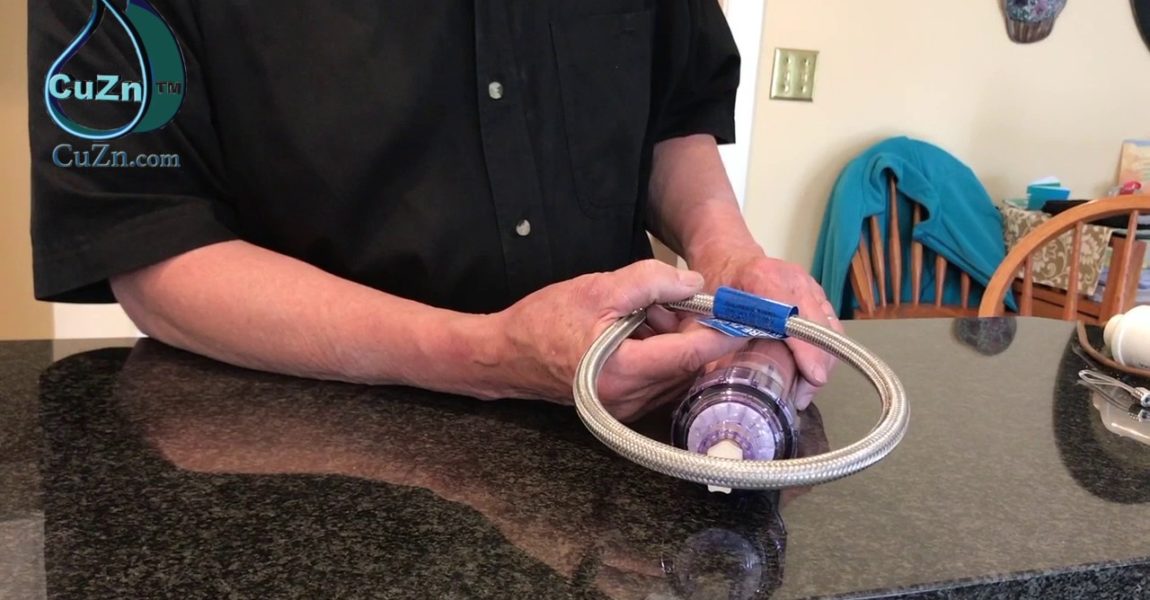
Instead of depending on the refrigerator's own cartridge, you install a better filtration system elsewhere, often under the sink, and route that filtered water to the fridge's dispenser and ice maker. Installation guidance shows this strategy is feasible, but many consumer guides still ignore compatibility, plumbing layout, and fridge-specific bypass details, as discussed in this video on routing filtered water to a refrigerator.

This setup makes sense when the fridge cartridge is expensive, hard to source, or too limited for your water concerns. It also makes sense when you want one stronger point-of-use system serving both a drinking faucet and the refrigerator.

If you hate paying for proprietary fridge cartridges, feeding the refrigerator from an under-sink filter is often the cleanest workaround.

Refrigerator Filtration System Comparison

System Type Installation Complexity Typical Contaminant Removal Long-Term Cost
OEM internal cartridge Low Often strongest on taste and odor improvement, with health-related reduction depending on model certification Can be high because of proprietary replacements
External inline filter Moderate Varies by cartridge selected Often more flexible than OEM
Under-sink system feeding fridge Moderate to high Usually broader than standard fridge-only filtration, depending on system chosen Can be better over time if one system serves multiple uses

Here's the practical takeaway. If your water tastes bad but your risk profile is otherwise straightforward, the built-in cartridge may be enough. If you're chasing stronger filtration or lower replacement hassle, external feed options deserve a serious look.

Decoding Certifications and Contaminant Claims

The label on a filter box can feel like alphabet soup. NSF/ANSI 42, 53, 401, sometimes more. Once you know the code, the label gets much easier to read.

The simplest way to think about it is this: certifications are like a checklist from an independent referee. They don't tell you a filter removes everything. They tell you what it was tested and certified to reduce.

An infographic explaining NSF and ANSI certifications for water filters, detailing NSF 42, NSF 53, and label verification.

What the key standards mean

NSF/ANSI 42 covers aesthetic effects. Think chlorine taste and odor. If your main complaint is that the water tastes like a swimming pool, this is the certification that speaks directly to that issue.

NSF/ANSI 53 is the one many homeowners should pay closer attention to when they care about health-related contaminants such as lead. This is a more demanding standard than 42.

NSF/ANSI 401 deals with selected emerging contaminants. It can include some pharmaceutical and chemical reduction claims. The key is that the claim has to be explicit for the model in front of you.

NSF also notes that certification does not mean a filter removes every contaminant. It verifies reduction only for the substances named in the certification or performance sheet. That's the core lesson from NSF's explanation of standards for water treatment systems.

What to look for on the box

Don't stop at the standard number alone. Look for the exact contaminant list tied to the exact cartridge model.

A good buyer checklist looks like this:

  • Match the problem first: If your concern is taste, look for NSF/42. If your concern is lead, focus on NSF/53.
  • Check the exact model number: A brand may sell several similar cartridges with different claims.
  • Read the performance sheet: Broad phrases like “advanced filtration” don't tell you enough.
  • Watch for newer claims carefully: NSF/401 can be useful, but only when the listed contaminants match your actual concern.

Why this matters more now

Consumer Reports notes that common refrigerator filter certifications can also include NSF/ANSI 372 for lead-free materials, NSF/ANSI P473 covering PFOS and PFOA, and NSF/ANSI 401 for trace pharmaceuticals and chemicals, but those benefits depend on the specific cartridge. In practice, a refrigerator water filtration system starts as a taste-and-odor solution first. Health protection depends on what that exact filter is certified to do.

That's why a vague claim like “removes contaminants” doesn't help much. You don't need broad promises. You need a model-specific receipt.

Installation and Replacement Made Easy

Most refrigerator filter jobs are well within basic DIY range. You don't need fancy tools for an internal cartridge swap, and many inline installs are straightforward if you work carefully and give yourself time.

Start with the simplest rule. Never rush the leak check.

A person's hands installing a white replacement water filter cartridge inside a modern kitchen refrigerator.

Replacing an internal fridge cartridge

The exact latch or twist pattern depends on the refrigerator brand, but the workflow is usually close to universal.

  1. Find the cartridge location: It may be inside the fresh-food compartment, in the grille, or behind a small cover.
  2. Shut off the water if your model or manual calls for it: Some fridges let you swap without shutting off supply, but many homeowners feel better doing it.
  3. Remove the old filter carefully: Twist, pull, or press release tabs as designed. Don't force it.
  4. Inspect the O-rings and housing: If something looks pinched, cracked, or dirty, fix that before inserting the new cartridge.
  5. Install the new filter fully: Most flow problems come from a cartridge that feels seated but isn't locked in place.
  6. Flush the system: Run enough water to clear carbon fines and trapped air.
  7. Reset the filter indicator if your refrigerator has one.

A small habit saves headaches later. Write the install date on the cartridge or keep it in your phone notes.

Installing an external inline filter

Inline filters take a little more attention because now you're working on the supply line, not just a cartridge slot.

Before you start, it helps to think like you would with HVAC filters. Air filters and water filters both depend on matching the right restriction level to the equipment. If you've ever compared furnace filters, this overview of MERV rating information is a useful analogy. Better filtration can also mean more resistance if you choose blindly.

For an inline installation:

  • Turn off the feed line: Use the shutoff serving the refrigerator line.
  • Relieve pressure: Dispense water until the line stops pushing.
  • Cut or disconnect the line where the filter will go: Follow the filter's flow direction arrow.
  • Use the correct fittings only: Cross-threading and mismatched connectors create most avoidable leaks.
  • Mount the filter where you can reach it later: Don't bury a service item where you can't inspect it.
  • Turn water back on slowly: That makes leak spotting much easier.
  • Flush thoroughly: New carbon media often releases harmless fines at first.

A short visual helps if you're tackling your first swap:

Two mistakes that cause most callback problems

The first is skipping the flush. Fresh carbon cartridges need that initial rinse, and air in the line can make the dispenser sputter or slow down.

The second is ignoring the fridge's bypass expectations. Some refrigerators need the filter compartment set up correctly even if you're feeding the appliance with externally filtered water. If you want deeper brand-by-brand maintenance help, this library of water filter advice is a practical next stop.

Troubleshooting Common Fridge Filter Problems

When a refrigerator water filtration system acts up, the symptom usually points to a short list of causes. Don't start replacing random parts. Start with the last thing that changed.

Slow water flow

If the flow dropped right after a filter replacement, the cartridge may not be fully seated. Remove it, inspect the seals, and reinstall it firmly.

If the filter is seated correctly, trapped air may still be working through the line. Dispense water in longer bursts until the sputtering stops.

Other common causes include:

  • A clogged cartridge: This happens faster in homes with sediment or older plumbing.
  • A kinked supply line: Check behind the refrigerator after pushing it back.
  • An over-restrictive external filter: Some finer filters reduce pressure more than expected.

Water still tastes bad

A new cartridge doesn't instantly solve every taste problem.

Check these basics:

  • Flush enough water first: Carbon fines and stale water need to clear.
  • Clean the ice bin: Old ice can keep bad taste around even after the filter is fixed.
  • Check the source issue: If taste comes from something the cartridge isn't designed to reduce, replacement won't solve it.
  • Inspect the water line: Old tubing can add taste on its own.

Bad taste after a filter change often comes from old ice, trapped air, or an unflushed cartridge, not a defective new filter.

Leaks around the filter or housing

Leaks usually come from a bad seal, a crooked cartridge, or a fitting that wasn't tightened correctly after an inline install.

Dry everything first so you can see where the water starts. Then check:

  • The O-ring condition
  • The cartridge lock position
  • Any push-fit or threaded connection on the external line
  • Hairline cracks in the housing

The dispenser stops working after a change

This often happens when the fridge doesn't recognize the filter as properly installed, or when the bypass setup isn't correct.

Pull the cartridge back out and confirm it's the right model. If you're using external filtration and bypassing the fridge cartridge, make sure the refrigerator's bypass arrangement matches the manufacturer's design. A perfectly good filter setup can fail if the fridge thinks the filter path is blocked.

Cost Lifecycle and When to Upgrade Your System

A refrigerator filter often looks cheap at first because the cost is spread out. Then the replacements start stacking up. By year two or three, many homeowners have spent enough on cartridges to justify a better setup.

The market keeps growing because replacement filters create steady repeat sales, not just a one-time appliance add-on. That matters when you compare long-term cost, because the fridge itself is often the inexpensive part of the filtration plan. The cartridges are where the money goes.

An infographic showing the cost breakdown and maintenance lifecycle for a refrigerator water filtration system.

When sticking with the fridge filter makes sense

The built-in filter is still a reasonable choice in some homes.

Keep it if your goals are simple and the replacement cycle is predictable:

  • Your main complaint is chlorine taste or odor: A standard carbon cartridge can handle that well.
  • Your filter is easy to find at a fair price: Convenience has real value.
  • Your water use is modest: Lower demand usually means fewer replacements and fewer flow problems.
  • Your fridge filter is certified for the contaminants you care about: If the cartridge matches the job, there is no need to complicate it.

When an upgrade is the smarter move

Upgrade when the fridge cartridge starts acting like a bottleneck. That shows up in two places. Cost and performance.

An external inline or under-sink system feeding the refrigerator is often the better answer, especially when a household wants cleaner drinking water and better ice without being locked into proprietary fridge cartridges. I recommend this route often because it solves a problem many people miss. The refrigerator dispenser is only as good as the small filter cavity inside the fridge, and that space limits media volume, contact time, and filter options.

Consider an upgrade if:

  • You replace fridge cartridges often enough that the annual cost keeps climbing
  • Your filter options are brand-specific, overpriced, or hard to source
  • You want filtered water at both the sink and the refrigerator from one system
  • Your water has issues beyond basic taste and odor
  • Your fridge filter clogs quickly and flow drops before the scheduled replacement date

External filtration offers distinct advantages. A larger inline or under-sink unit can hold more carbon, add specialty media, or use multiple stages. In plain terms, it gives the water more treatment before it reaches the dispenser and ice maker. It also lets you choose a system based on your water problem instead of your refrigerator model number.

That matters for homes dealing with lead concerns, PFAS questions, sediment, or mixed water quality issues. A standard refrigerator filter may reduce some of that, but many do not offer the depth of treatment or cartridge capacity an external system can provide.

The best next step before you spend money

Start with your water, not the appliance. Read your municipal water report or test your well water, then match the filter to the contaminants you need to address.

That simple step prevents two expensive mistakes. Buying a larger system than necessary, or continuing to buy convenient fridge cartridges that were never designed for the problem in your water.

If you want help comparing refrigerator filters, under-sink systems, and maintenance options without getting buried in marketing copy, Water Filter Advisor is a strong place to start. It's built for households that want practical buying guidance, clear explanations of certifications, and real-world advice on choosing a water filtration setup that fits the water you have.

Best Refrigerator Water Filter Brands of 2026

You’re probably here because the filter light on your fridge is on, the water tastes a little flat, or you’ve seen two cartridges online that look identical except one costs a lot more. That’s the usual moment people realize refrigerator filters are weirdly confusing for such a small part.

They don’t need to be.

The best refrigerator water filter brands aren’t just selling “better taste.” They’re solving three practical problems at once: contaminant reduction, appliance compatibility, and long-term cost. Get the brand choice right and your water stays clear, your ice tastes clean, and your fridge keeps dispensing without drama. Get it wrong and you may end up with leaks, poor flow, fake certifications, or a filter your refrigerator refuses to recognize.

Why Your Refrigerator Filter Matters More Than You Think

A refrigerator water filter sits in an odd category. It looks like a convenience item, but in real use it acts more like a small point-of-use treatment device. Users often only think about it when the change light starts blinking. By then, they’re already shopping backward, focused on cartridge shape and model number before they’ve asked the more important question: what is this filter supposed to remove?

A glass of cold, sparkling clean water sitting on a granite countertop in a modern kitchen.

That matters because treated tap water isn’t the same thing as flawless tap water. Municipal treatment does a lot of heavy lifting, but the water reaching your glass can still carry chlorine taste, sediment, and in some areas, lead concerns from aging infrastructure. That’s why the better refrigerator filters earn their place. According to Tap Water Data’s refrigerator filter testing overview, leading refrigerator water filter brands have shown 99.6% lead removal and over 97% chlorine reduction in NSF-certified lab tests. The same source notes that over 90% of US households rely on treated tap water, and the EPA estimates 6-10% of water systems are affected by lead.

Taste is only part of the job

If a filter only improves taste, that’s useful. If it also cuts down contaminants tied to health concerns, that’s a different category of value. This is why I tell homeowners not to shop by brand logo first. Shop by certification, then compatibility, then cost.

The biggest mistake I see is assuming all filters with activated carbon work the same. They don’t. Some are built mainly for chlorine and odor. Others are certified for tougher jobs such as lead or cyst reduction. Marketing copy usually blurs that difference because “fresh, clean water” sounds better than “this model mainly addresses aesthetics.”

A refrigerator filter should earn trust with certification marks, not pretty packaging.

What the NSF numbers mean in plain English

You don’t need to memorize standards, but you do need to know what they signal.

  • NSF/ANSI 42 means the filter is certified for aesthetic issues like chlorine taste and odor.
  • NSF/ANSI 53 matters more for health-related contaminants such as lead and cysts.
  • NSF/ANSI 372 addresses lead-free construction in the filter materials themselves.

When you see those numbers on a legitimate product listing, you’re no longer relying on vague promises. You’re looking at a filter that has been tested against a defined standard.

For homeowners who want to get sharper about comparing claims, this library of water filtration advice and buying guidance is useful because it helps translate specs into real-world decisions instead of leaving you stuck in product jargon.

Why brand still matters

Certification tells you what a filter is supposed to do. Brand tells you how often that promise holds up in actual kitchens. The best refrigerator water filter brands usually separate themselves in four ways:

  • Fit and seal quality so the cartridge installs cleanly and doesn’t drip.
  • Consistent flow so water pressure doesn’t collapse halfway through the cartridge life.
  • Clear compatibility labeling so you don’t buy the wrong part.
  • Reliable sourcing so you’re less likely to get a counterfeit or mislabeled unit.

That last point gets overlooked. A cheap filter from an unknown seller can cost more than an expensive one if it causes poor taste, short life, or a failed fit. In home filtration, boring reliability is a feature.

The Top Brands A Quick Comparison

Brand matters here for a practical reason. Two filters can claim the same refrigerator compatibility, yet one slides in cleanly, keeps flow steady for months, and tastes normal from day one. The other feels loose, slows to a trickle halfway through its life, or leaves homeowners wondering whether the water is being filtered at all.

That gap usually comes down to three things: how tightly the cartridge matches the fridge housing, whether the certification applies to the exact model you are buying, and how consistent the brand is from one production run to the next.

A useful way to sort the market is by role. OEM brands supply the original filter or an officially approved replacement for the refrigerator maker. Aftermarket brands build third-party cartridges that fit the same slot. Both can be good. The main difference is how much fit certainty you want, how much money you want to save, and how carefully you are willing to verify the model details before you buy.

Brand Type Key Certifications Filter Life (Gallons) Est. Cost per Gallon
EveryDrop OEM-approved replacement NSF/ANSI 42, 53, 372 200-300 gallons Higher than certified aftermarket
Samsung OEM NSF-certified models with strong lead reduction performance 200-300 gallons Higher than certified aftermarket
Whirlpool OEM NSF-certified models with strong lead reduction performance 200-300 gallons Higher than certified aftermarket
LG OEM NSF-certified models, noted for NSF/ANSI 372 lead-free construction 200 gallons Higher than certified aftermarket
GE OEM NSF-certified models, replacement commonly at 6 months 200-300 gallons Higher than certified aftermarket
Frigidaire OEM NSF/ANSI 42-certified chlorine reduction in key models 200-300 gallons Mid to high
Waterdrop Aftermarket NSF/ANSI 42, 53, 372 on certified models 200-300 gallons Lower than OEM
ICEPURE PLUS Aftermarket Certified aftermarket positioning across multiple brands Varies by model Lower than OEM
Filterlogic Aftermarket NSF-certified options for Whirlpool-compatible models Varies by model Lower than OEM

The brands most homeowners should start with

For a short list, start with EveryDrop, Samsung, Whirlpool, LG, and GE. Those brands stay at the top because they are tied to major refrigerator platforms, and that matters more than flashy marketing copy. A refrigerator filter is not a general water pitcher cartridge. It has to match a specific housing, valve, and flow design inside the fridge.

That is why the market is better understood as a set of refrigerator ecosystems, not a single race for first place. If you own an LG fridge, LG-compatible filters deserve a harder look than a random “universal” substitute. If you own a Whirlpool-family unit, EveryDrop and Whirlpool-approved options usually give you the least trouble.

OEM brands and what they do well

Samsung is usually the conservative choice for Samsung owners. The fit is predictable, installation is usually clean, and the performance claims are easier to verify because the brand controls the compatibility chain.

Whirlpool stays strong for one reason I see constantly in real kitchens: broad compatibility across Whirlpool-related models and a dependable replacement process. Homeowners who want fewer surprises often end up here.

EveryDrop earns its reputation because it covers a wide slice of the Whirlpool, Maytag, KitchenAid, JennAir, and Amana universe without feeling like a generic substitute. In practice, it often lands in the sweet spot between official approval and easy availability.

LG tends to appeal to buyers who read the fine print. The company has a cleaner track record than many off-brand sellers for matching model numbers and maintaining build quality.

GE needs the most model-by-model attention. Some GE refrigerators accept replacements without drama. Others are pickier, especially if the fridge uses filter identification features that limit third-party choices.

Aftermarket brands and where they make sense

Aftermarket filters make sense for homeowners who want to cut annual filter cost without accepting mystery performance. The category has plenty of weak products, but it also has a handful of brands that take certification and compatibility seriously.

  • Waterdrop is one of the better-known aftermarket names because it offers certified options across several refrigerator platforms and usually explains model fit better than low-end marketplace sellers.
  • ICEPURE PLUS is worth a look if you are shopping across multiple fridge brands and want a lower-cost replacement from a company that competes in refrigerator filtration, not just generic replacement parts.
  • Filterlogic often shows up as a value option for Whirlpool-compatible systems, especially for buyers who want lower cartridge cost and are willing to verify exact model matching.

The trade-off is simple. Good aftermarket filters can save money. Bad ones often fail in less dramatic but more annoying ways, poor taste, shorter life, weaker flow, or a cartridge that never feels fully seated.

What works and what doesn’t

What works is disciplined buying. Match the exact refrigerator model. Confirm that the certification applies to the specific filter model, not just the brand name. Buy from a reputable seller so you are not sorting through counterfeit or relabeled stock.

What fails is buying on price alone. “Compatible with” is not the same as “tested to the same standard,” and a refrigerator filter that fits loosely or performs inconsistently is not a bargain.

Homeowners usually make the best decision when they stop comparing filters as simple accessories and start comparing them as replacement parts with water treatment built in. That mindset cuts through a lot of the noise.

OEM vs Aftermarket The Real Cost of Clean Water

Most buying decisions are grounded in reality. Not theoretical. Not “best value” in a review list. Reality, as in what you’ll spend each year and whether your fridge will accept the cartridge without a fight.

The easiest version of the argument is wrong. OEM is not always worth the premium. Aftermarket is not always a gamble. The right answer depends on your refrigerator model, your tolerance for risk, and whether the replacement is certified.

A comparison chart outlining the pros and cons of choosing OEM versus aftermarket refrigerator water filters.

Where OEM earns its higher price

OEM filters win on predictability. They’re designed for the exact housing, flow requirements, and locking mechanism in the refrigerator. They also make warranty conversations simpler because the manufacturer can’t point to a third-party cartridge and start asking questions.

You’re also more likely to get clean compatibility labeling and a cartridge that installs with the correct seal pressure. That sounds minor until you’ve dealt with a slow drip inside the fridge.

OEM is often the safer move if:

  • Your refrigerator is still under warranty and you want zero gray area.
  • Your model has proprietary lockout behavior such as RFID checks.
  • You don’t want to vet third-party certifications yourself.
  • You prefer manufacturer-backed consistency over cost savings.

Where aftermarket makes financial sense

The cost difference over time is not small. According to Consumer Reports’ refrigerator water filter analysis, some third-party alternatives such as Maxblue for GE refrigerators showed double the useful lifespan of the OEM GE RPWFE filter, which could cut annual replacement cost from $50-60/year to $25-30/year. The same source notes that switching to certified third-party filters could save a high-usage household over $100 annually.

That’s the kind of number that changes behavior. Not because people suddenly love generic parts, but because the total ownership math starts to matter more than the logo.

Practical rule: If a certified aftermarket filter fits your refrigerator properly and doesn’t trigger compatibility issues, it can be the smarter long-term purchase.

The trade-off most people miss

The actual trade-off isn’t “expensive versus cheap.” It’s certainty versus verification work.

With OEM, you pay more and think less. With aftermarket, you pay less but need to check certification, exact fit, seller quality, and whether your refrigerator has any anti-third-party quirks. That work is worth it for some households and annoying for others.

A few examples:

  • Whirlpool-family refrigerators are often a friendlier place to use approved or certified alternatives.
  • Samsung-compatible aftermarket filters can be excellent if they’re from a proven certified brand.
  • GE refrigerators require extra caution because some models are far less flexible than others.

RFID changes the equation

Some GE owners learn this the hard way. Certain refrigerators use RFID-restricted filters, which means a third-party cartridge may physically fit but still fail to work properly. In that case, “compatible” can mean very little in practice.

If your GE model is one of the affected ones, don’t buy on optimism. Confirm whether your fridge accepts aftermarket filters before you order. If it doesn’t, OEM is no longer a preference. It’s the price of having a working dispenser.

My bottom-line view

For most households, certified aftermarket filters make sense after the warranty period if the refrigerator model accepts them cleanly. OEM makes sense when compatibility is touchy, the unit is new, or you don’t want to troubleshoot.

The wrong move is the middle ground people fall into most often. They skip OEM pricing but also skip certified aftermarket brands and buy the cheapest “replacement” they can find. That’s where leaks, weak flow, odd taste, and premature replacement usually start.

Decoding NSF Certifications What to Look For

A lot of refrigerator filter shopping goes wrong because buyers focus on phrases like “premium filtration” or “advanced carbon technology.” Those phrases are decoration unless the filter also lists meaningful certifications.

The short version is this. If you want to evaluate best refrigerator water filter brands like someone who’s been doing it for years, you start with the NSF marks and only then look at price.

A hand holding a clear Wellspring water filter cartridge with blue filter pellets inside near a book.

NSF 42 and NSF 53 are the practical baseline

These are the first two numbers I look for on a refrigerator filter listing.

NSF/ANSI 42 covers aesthetic reduction. Think chlorine taste and odor. If your water tastes like a swimming pool, this is the certification that addresses that problem.

NSF/ANSI 53 covers health-related contaminant reduction. Under this standard, lead and cyst claims matter. If a filter doesn’t show NSF 53 and the listing still talks broadly about “safer water,” I get skeptical fast.

According to independent benchmark discussion of certified aftermarket refrigerator filters, certified aftermarket options such as Waterdrop and ICEPURE PLUS can rival OEMs. That same source reports Waterdrop showing 99.2-99.6% lead reduction and 99.99% cyst reduction, with the note that prioritizing NSF/42 + 53 certified filters is the best way to verify marketing claims.

NSF 372 matters for the filter itself

A lot of buyers miss this one. NSF/ANSI 372 doesn’t describe what the filter removes from water. It addresses lead-free construction in the materials used to make the filter.

That matters because the cartridge itself shouldn’t become part of the contamination problem. It’s not the flashy certification, but it’s a sign the manufacturer is paying attention to the basics.

If a listing talks loudly about taste but says little about certification, keep scrolling.

How to read a product page without getting fooled

Look for these details in the listing, packaging, or spec sheet:

  • Exact model compatibility. Not just “fits many refrigerators.”
  • Named certifications such as NSF/ANSI 42, 53, or 372.
  • Specific contaminant categories tied to those certifications.
  • Replacement interval guidance tied to time or volume.

Be cautious when a product page leads with words like “comparable,” “premium,” or “high-efficiency” but stays vague about standards. Good filter manufacturers usually make the standards easy to find because that’s their proof.

For a quick visual explanation of how certifications connect to actual filter performance, this overview is worth watching:

A simple buying filter for filters

If you want an easy rule that works in most homes, use this:

  1. Start with exact refrigerator compatibility.
  2. Require NSF/ANSI 42 and 53.
  3. Treat NSF/ANSI 372 as a quality signal for materials.
  4. Ignore inflated wording that isn’t backed by certification.

That approach cuts through most of the nonsense in this category.

Our Top Refrigerator Water Filter Picks for 2026

A homeowner with a perfectly good refrigerator can still end up with bad-tasting water, a slow dispenser, or a filter warning that never clears. The problem usually is not the fridge. It is choosing the wrong cartridge for the water issues in that home and the way that refrigerator is built.

That is why I do not rank these filters like smartphones or vacuums. The right pick depends on three things: exact fit, the certifications that match your water concerns, and whether paying OEM prices delivers real value.

Best for broad household confidence

EveryDrop is the easiest recommendation for many Whirlpool, Maytag, KitchenAid, JennAir, and Amana refrigerators. In real-world ownership, that matters. Homeowners usually want a filter that installs cleanly, resets without a fight, and does what the label says without turning replacement day into a research project.

EveryDrop earns its place because it keeps the buying decision simple for the refrigerators it was designed to serve. If you own a compatible Whirlpool-family model and want a low-risk choice, this is usually where I’d start.

Best for:

  • Whirlpool-family refrigerator owners
  • Buyers who want straightforward replacement
  • Households that prefer approved compatibility over experimentation

Watch-outs:

  • Usually costs more than good aftermarket filters
  • A poor value if your fridge can use a less expensive certified alternative

Best for maximum confidence in lead-focused filtration

Samsung OEM filters remain a strong option for Samsung owners who want exact fit and fewer surprises. That is especially true in homes where the priority is contaminant reduction claims backed by recognized certification, not just better taste.

Samsung’s original filters are rarely the cheapest route. They are often the cleanest route if you want to avoid questions about sealing, flow rate, and whether the fridge will recognize the cartridge properly.

Best for:

  • Samsung refrigerator owners
  • Buyers who want exact-fit simplicity
  • Homes where contaminant reduction matters more than minimizing annual cost

Potential downside:

  • Higher replacement cost over time

Best budget-friendly certified alternative

Waterdrop is one of the better aftermarket names for shoppers trying to cut yearly filter spend without dropping into the risky bargain bin. That distinction matters because the aftermarket category is crowded with filters that look similar on the outside and differ a lot in documentation, consistency, and actual certification support.

I recommend Waterdrop only when the exact refrigerator model is confirmed and the listing clearly identifies the relevant certifications. If those two boxes are checked, it can be a sensible middle ground between OEM pricing and no-name uncertainty.

Best for:

  • Homeowners past the warranty period
  • Buyers who want lower ongoing cost
  • Shoppers willing to verify model compatibility before ordering

What to watch:

  • Exact model matching still matters
  • Quality can vary across listings and platforms if you buy carelessly

If price is the main pressure point, buy the lowest-cost filter with certifications you can verify, not the lowest-cost filter in the search results.

Best for LG owners who care about construction quality

LG OEM filters make sense for owners who want predictable fit and strong manufacturing consistency. LG also gets attention from buyers who look past marketing language and pay attention to material standards, including lead-free construction.

That does not mean every LG owner needs to stay OEM forever. It means LG’s original filters are a smart baseline. If an aftermarket option wants to beat them, it should beat them on documented standards, not vague promises about premium performance.

Best for:

  • LG refrigerator owners
  • Buyers who want polished fit and finish
  • Homes where replacement should stay simple and predictable

The only sensible pick for some GE refrigerators

For some GE refrigerators with RFID-style filter restrictions, the practical answer is GE OEM. This is one of the few cases where brand loyalty and bargain hunting matter less than whether the refrigerator will accept the cartridge at all.

I have seen homeowners waste money trying to outsmart a protected system with third-party filters that physically fit but fail at recognition or reset. If your GE model is one of the stricter ones, OEM is usually the cheaper decision in the long run because it avoids returns, leaks, and repeat purchases.

Best for:

  • GE owners with confirmed filter-recognition restrictions
  • Newer GE models with picky compatibility behavior

Downside:

  • Less flexibility on price

How I would choose from this list

Start with the refrigerator model. Then match the filter to the problem you are trying to solve.

If your priority is the fewest headaches, OEM usually wins. If your priority is reducing yearly cost, a certified aftermarket filter from a known brand can be a good buy. If your local water raises bigger concerns about lead or other health-related contaminants, the safest move is the filter with the clearest documentation, even if it costs more.

Water filters do not fail only on performance. They also fail on fit, seal quality, and weak documentation. That is the part spec sheets rarely make entertaining, but it is what separates a good purchase from a frustrating one.

Water choices also connect to bigger home-comfort decisions, especially in multigenerational households. Families comparing accessibility products often look at related resources too, including this roundup of expert advice on lift chairs, because safe water access and easier daily living often get planned together.

Installation and Maintenance Made Easy

Buying the right filter is only half the job. A great cartridge installed badly still gives you bad results.

Most refrigerator filter replacements are simple once you know which mechanism your fridge uses. The common types are twist-in, push-in, and drop-down or cover-access designs. The exact steps vary, but the habits that prevent problems are almost always the same.

The replacement routine that avoids most headaches

Use this sequence and you’ll avoid the majority of leaks, air pockets, and “why does my water look cloudy?” moments.

  1. Confirm the exact filter model. Don’t rely on appearance alone. Many cartridges look similar.
  2. Remove the old filter slowly. If it feels stuck, don’t force it at an angle.
  3. Seat the new filter fully. Most bad installs happen because the cartridge is almost locked, not securely locked.
  4. Flush the new filter thoroughly. New carbon filters often release harmless fines at first, which can make the initial water look gray or cloudy.
  5. Reset the filter indicator light. This is a maintenance reminder, not a performance sensor.

Installation tips by filter style

  • Twist-in filters usually need a firm turn until they stop naturally. If you have to muscle it, something is off.
  • Push-in filters should click cleanly into place. If they spring back out or sit crooked, remove and reinstall.
  • Cover-access filters often work smoothly only when the cartridge is aligned precisely with the guide rails or housing notch.

Maintenance habits that actually help

The best thing you can do is replace on schedule and pay attention to changes in taste, odor, and flow. Refrigerator filters don’t fail dramatically in most cases. They drift downward. Water flow slows. Ice loses clarity. The crisp taste gets dull.

A few smart habits:

  • Write the install date on the cartridge box or in your phone so the next change doesn’t rely on memory.
  • Buy the next replacement before you need it. Waiting until the light comes on usually leads to rushed shopping.
  • Check the housing O-ring area for drips after installation. A quick glance saves a lot of frustration.

Most post-install issues come from wrong model selection or an incomplete lock, not from a defective filter.

Common mistakes to avoid

The biggest one is skipping the flush. People install a new filter, pour a glass immediately, see cloudiness, and assume the cartridge is bad. Usually it’s just carbon fines and trapped air working their way out.

Another common mistake is using a “close enough” replacement. Refrigerator filters are not one-size-fits-all. Even small design differences in the head, seal, or valve engagement can create poor flow or leaks.

Frequently Asked Questions About Refrigerator Filters

Will an aftermarket filter void my refrigerator warranty

Not automatically. The issue is whether the filter caused a problem. In practice, many homeowners still use OEM filters during the warranty period because it reduces arguments and keeps the paper trail clean.

How do I find the correct filter model number

Start with the refrigerator model number on the appliance label, then check the owner’s manual or the manufacturer’s parts lookup. Don’t assume the old cartridge is the original one. Previous owners and even retail installers sometimes swap in the wrong replacement.

What should I do if water tastes strange after changing the filter

Flush the new cartridge thoroughly first. If the taste still seems off, confirm the filter is seated correctly and that you bought a legitimate compatible model. If the dispenser area itself needs attention, it also helps to maintain your fridge water dispenser so residue and grime around the outlet don’t affect the drinking experience.

How should I dispose of an old refrigerator filter

Check whether the brand offers a mail-back or recycling option. If not, follow local disposal guidance. The practical takeaway is simple: don’t keep used cartridges under the sink for two years “just in case.”

How do I know when a filter needs replacement if the light isn’t reliable

Use a calendar-based routine and pay attention to water flow and taste. Filter lights are helpful reminders, but they don’t know everything about your home’s water use or local water conditions.


If you want a reliable place to compare filters, understand certifications, and choose the right system for your home, visit Water Filter Advisor. It’s a practical resource for sorting through refrigerator filters and the wider world of home water treatment without getting buried in marketing jargon.

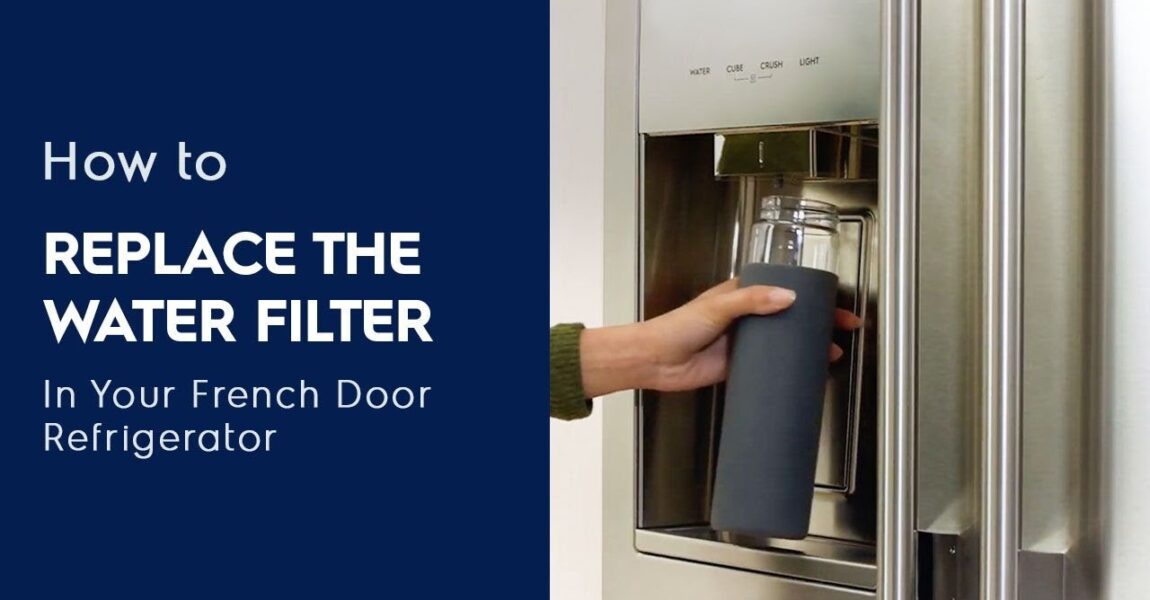
How to Replace the Water Filter in Your French Door Refrigerator

How to Replace the Water Filter in Your French Door Refrigerator


Learn in a few short steps how to remove and install the water filter in your Electrolux French Door Refrigerator. In no time, you’ll be enjoying refreshing, great-tasting water. Click here for more FAQs:

Subscribe:

Learn more about your Electrolux French Door Refrigerator here:

At Electrolux, we believe in better living for a better future, and we believe every change starts at home. That’s why we create appliances designed to make your life at home more effortless and sustainable. Subscribe for How To’s, Tips & Tricks, Appliance Walkthroughs, and more…and let’s take care of our future together.

Shop With Us Online:
Get In Touch Here:
Follow ElectroluxUS on Instagram:
Like ElectroluxUS on Facebook:
Explore More Design Inspiration on Pinterest:

#Electrolux #Refrigerator #WaterFilter #Appliances #HomeAppliances

Original Video Source
How to Install everydrop® Water and Ice Filter 3 EDR3RXD1

How to Install everydrop® Water and Ice Filter 3 EDR3RXD1


How to install or replace everydrop® Filter 3 (EDR3RXD1) for 6 months of clean, fresh tasting water.

Find the correct filter for your refrigerator at

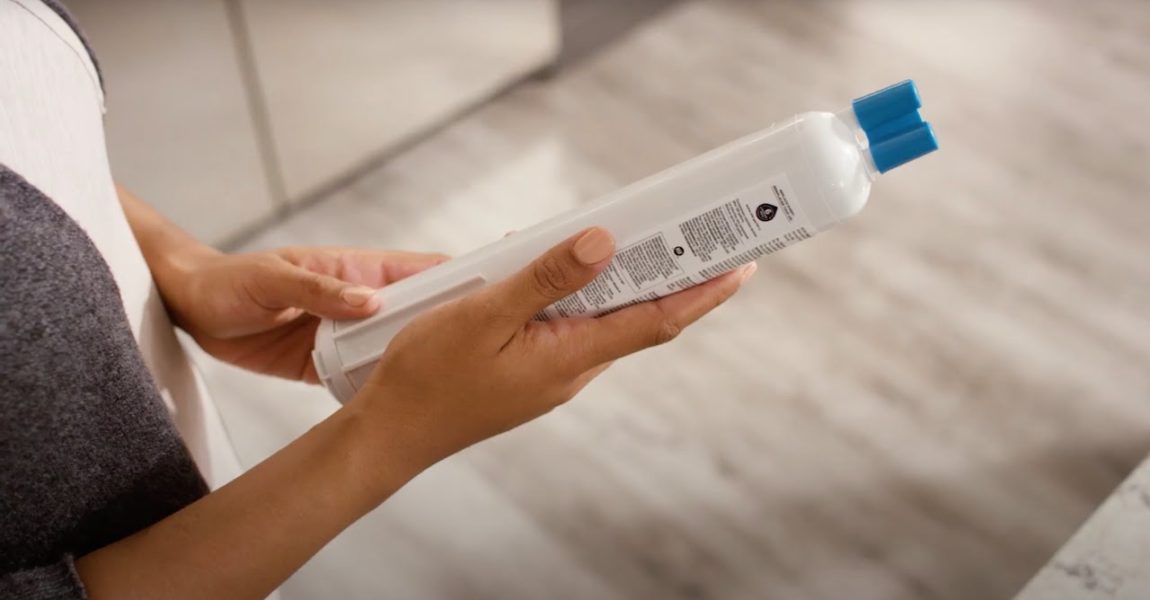
The filter housing for everydrop® Filter 3 is located in the base of the refrigerator. Press the button to pop out the old filter. Take the new filter and remove its plastic tip. Transfer the bottom cap from the old filter to the new one. Slide in the new filter until you can hear it click. Flush the dispenser and you’ll be ready for 6 more months of clean, fresh tasting ice and water.

The only water and ice filter approved for Whirlpool®, Maytag®, Amana®, KitchenAid® and JennAir® refrigerators.*

*EveryDrop® products and the recommending brands’ products are all owned and distributed by Whirlpool Corporation.

Original Video Source
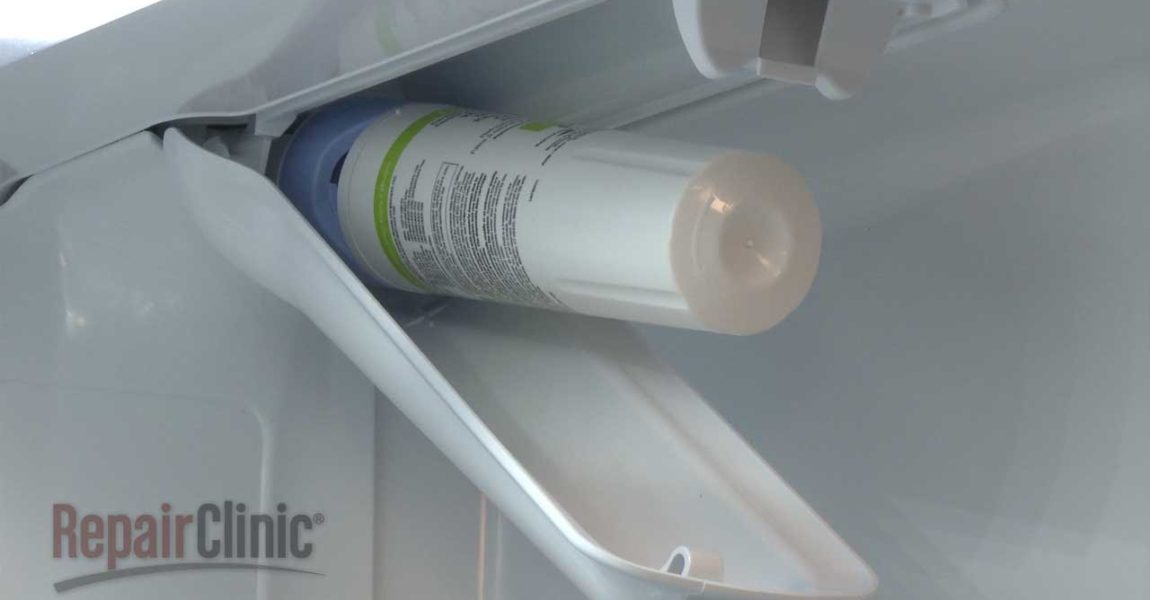
Top 5 water filter replacement tips

Top 5 water filter replacement tips


Replacing a refrigerator water filter is usually simple, but sometimes it can be difficult to remove or install—or the new filter can leak. If you’re having a hard time, we’ve got some tips to help you replace your filter so you can get back to enjoying great tasting water and ice.

1. Wiggle the refrigerator water filter
When removing or installing the water filter, you may need to wiggle it back and forth slightly, to help loosen water seal deposits.
Wiggling the new water filter as you insert it will help align the filter as you slide it into the filter head.

2. Shut off the water supply
Water pressure exerted on the filter head can make it difficult to remove a water filter. Try shutting off the water supply valve for the refrigerator. Then run some water through the water dispenser to release water pressure at the filter head and remove the water filter.

3. Extend the water filter housing head completely
For pull-down and swing-out water filters, you may need to extend the water filter head from the housing completely before removing the filter.

4. Use only the original manufacturer replacement water filter
Inexpensive aftermarket water filters can get stuck. They can also can damage water seals and fittings in the water filter housing. Using knock-offs can also cause water leaks through damaged seals and water filter housing-fittings. Don’t take chances—buy the brand-name filter that the manufacturer designed specifically to fit your refrigerator.

5. Purge water through the dispenser and then check for leaks
Purging water through the dispenser gets rid of air in the supply system that can cause leaks. Air trapped in the water lines can force water out of the dispenser. If the dispenser still drips after purging water, try purging 2 more gallons of water as constantly as possible to remove any air in the water system supply lines. If water continues to leak after purging more water, you may need to replace the inlet water valve.

Find the manufacturer-approved, brand-name filter for your refrigerator at SearsPartsDirect.com. Save yourself the hassle of remembering to order the water filter regularly by signing up for a subscription plan. You get free shipping and free up space in your memory banks. Here’s a link to our filter finder tool.

We hope this video helped you out today. Please subscribe to our channel to see more repair tips and tricks.

For more DIY help, visit

Find parts for your refrigerator mower at
Original Video Source