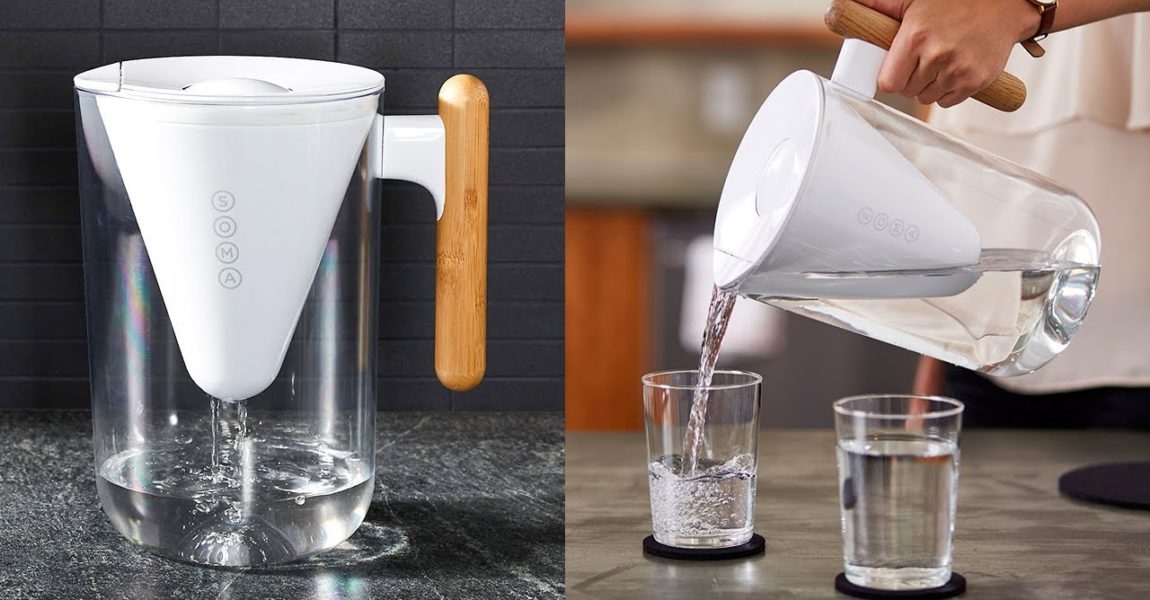
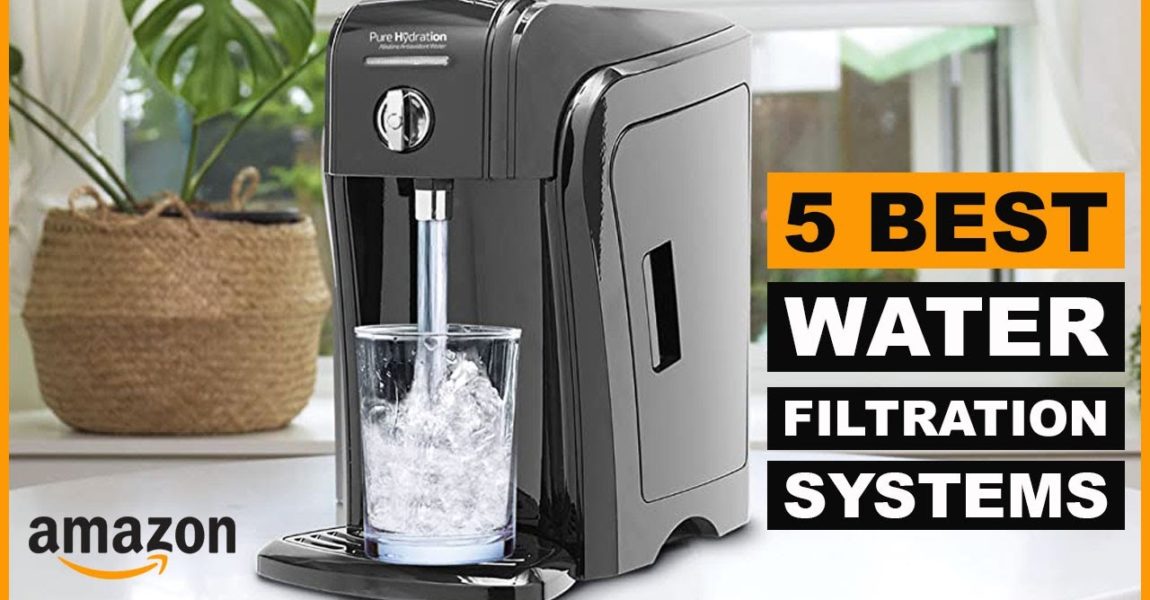
Countertop RO System: Your Guide to Pure, Delicious Water at Home

Think of a countertop RO system as your personal, miniature water purification plant. This compact powerhouse sits right on your kitchen counter, delivering incredibly pure water without a single call to a plumber. It uses a sophisticated process called reverse osmosis to strip out up to 99% of nasty contaminants—we're talking lead, chlorine, pesticides, and more—giving you water that’s as good as any fancy bottled brand, right from your own kitchen.

Your Quick Guide to Pure Water at Home

Modern countertop RO system dispenses fresh water into a glass on a wooden kitchen counter.

Picture this: you turn your sketchy tap water into crisp, clean, and totally safe drinking water in mere seconds. That’s exactly what a countertop reverse osmosis system does. For many people, the idea of a major plumbing project to install a filter under the sink is a non-starter. On the other hand, a simple pitcher filter often feels like bringing a squirt gun to a firefight—it just doesn't do enough heavy lifting.

This is where the countertop RO system really shines. It delivers the same powerful, multi-stage filtration you’d get from a traditional under-sink unit, but with the dead-simple setup of a coffee maker. No drills, no calling a plumber, and no permanent changes to your kitchen.

How Does It Compare to Other Filters?

Figuring out the key differences between the most common home water filters is the first step toward making a smart buy. Each type of filter has its own trade-offs, balancing filtration power, convenience, and cost. If you want a wider view of all your choices, you might find our general advice for choosing water filters helpful.

A countertop RO unit is a whole different beast from a basic pitcher. It’s a serious purification machine built for modern life, especially for renters or anyone who wants top-tier filtration without the commitment.

The real magic is how accessible it makes this technology. It brings advanced purification—once reserved for complex, permanent installations—into any home with a simple power outlet.

The market has definitely taken notice. Countertop RO systems are gaining traction for their great mix of performance and affordability, with most units priced between $100 and $500. This makes them a popular first step into serious water purification. In fact, they’re on track to command a massive 37.30% market share among point-of-use filters by 2026, all thanks to their easy setup and effectiveness.

To see how these options stack up at a glance, let's compare them side-by-side.

Comparing Home Water Filtration Methods

This table breaks down the main differences between countertop RO systems, their under-sink cousins, and the standard water filter pitcher.

Feature Countertop RO System Under-Sink RO System Water Filter Pitcher
Filtration Power Excellent (Removes up to 99% of contaminants) Excellent (Removes up to 99% of contaminants) Basic (Reduces chlorine & some metals)
Installation Plug & Play (No plumbing required) Professional or DIY (Requires drilling) None (Just fill with water)
Cost Moderate initial cost, low running cost High initial cost, moderate running cost Low initial cost, high filter cost
Space Requirement Takes up counter space Hidden under the sink Stores in fridge or on counter
Best For Renters & homeowners seeking high purity Homeowners wanting integrated filtration Basic taste and odor improvement

As you can see, the right choice really depends on what you value most: the ultimate purification, seamless integration, or simple convenience.

How Does a Countertop RO System Actually Work?

Ever wondered what's going on inside that little box on your counter? It’s not magic, but it’s close. A countertop RO system puts your tap water through a fascinating, multi-stage purification gauntlet to turn it into something exceptionally pure and clean.

Think of it like an elite cleaning crew for your water. Each filter in the system is a specialist with a very specific job, all working in a precise order. Your tap water goes in one end, gets passed down the line, and comes out the other side transformed.

The First Line of Defense

The journey starts with the sediment pre-filter. This is the system's bouncer, stopping the most obvious troublemakers at the door. It’s responsible for catching all the gritty stuff you can’t always see but definitely don't want to be drinking.

Its main job is to grab physical debris, like:

  • Rust flakes from old city pipes
  • Sand and silt
  • General dirt and other floaties

By snagging these bigger particles first, the sediment filter does more than just an initial clean. It’s also protecting the more sensitive (and expensive) filters down the line, helping the whole system run smoothly for much longer.

Tackling Funky Tastes and Smells

After the water is clear of grit, it moves on to the next specialist: the activated carbon filter. This is where the system gets rid of those weird sensory issues that make tap water unpleasant. If your water has ever had that swimming pool smell or a chemical aftertaste, this is the filter that saves the day.

Activated carbon is a workhorse. It's incredibly porous, giving it a massive surface area that acts like a powerful magnet for certain chemical contaminants. It's especially good at adsorbing (trapping) compounds like chlorine, the #1 culprit behind bad-tasting municipal water. The result is water that not only is cleaner but also tastes and smells fresh and neutral.

The Heart of the System: The RO Membrane

Okay, now for the main event. Once the pre-filters have cleared the path, the water is forced toward the heart of any RO system: the reverse osmosis membrane. This is where the real heavy lifting happens.

Think of it as a ridiculously picky bouncer for water molecules. The RO membrane is covered in microscopic pores—about 0.0001 microns small—that are so tiny, only pure H₂O can squeeze through. Everything else gets rejected and shown the door.

This semipermeable membrane is the star of the show, removing up to 99% of all total dissolved solids (TDS). We’re talking about a huge list of contaminants that the other filters can't touch.

Some of the biggest offenders removed by the RO membrane include:

  • Heavy Metals like lead, arsenic, and mercury
  • Dissolved Salts like sodium and fluoride
  • Viruses and Bacteria which are way too big to pass through
  • Pesticides and Herbicides from agricultural runoff

The water that gets past the membrane is incredibly pure. All the rejected junk is flushed out with a small stream of wastewater, leaving you with nothing but pristine, clean water.

The Final Polish for Perfect Taste

After that intense purification process, the water is almost ready. Many top-tier systems add one last stage, often called a post-filter or a remineralization filter. It’s the final touch that makes the water perfect.

A carbon post-filter gives the water one last "polish," catching any faint tastes or odors that might have been picked up inside the storage tank. Some systems use a remineralization stage instead, which adds back trace amounts of healthy minerals like calcium and magnesium. This does two things: it slightly improves the water's health profile and, more importantly, enhances the flavor. It gives the water a crisp, refreshing taste that most people prefer over the "flat" taste of totally demineralized water.

How to Choose the Right Countertop RO System

Picking the right countertop RO system can feel overwhelming, but it gets a lot easier once you know what to look for. Forget the confusing marketing claims. You really just need to focus on a few key numbers and features that affect your water, your budget, and your daily routine.

Ready to find the perfect fit for your kitchen? Let's break down what actually matters.

Evaluate Key Performance Metrics

First things first, look past the shiny plastic and check the engine under the hood. When you're comparing models, there are three numbers that matter most: the filtration rate, the water efficiency, and the size.

  • Filtration Rate (GPD): This stands for Gallons Per Day, and it tells you how much pure water the machine can make in 24 hours. Countertop units don't have big storage tanks, so a higher GPD usually means a faster flow. You won't be stuck waiting around for a glass of water.
  • Water Efficiency Ratio: Reverse osmosis works by separating pure water from wastewater, which carries the contaminants away. An efficiency ratio, like 2:1, tells you how much clean water you get for every bit of wastewater. Modern systems are way better than the old ones, with some hitting an impressive 3:1 ratio—that means less wasted water.
  • Physical Footprint: Let's be honest, counter space is gold. Before you even think about buying, get out a tape measure and check the spot where you want the unit to live. Look up the product dimensions (width, depth, and height) to make sure it will fit without cramping your style.

Understanding these specs is how you compare different models fairly. It makes sure you get a system that can keep up with your family's needs.

Look for Essential Certifications

So, how do you really know a filter removes what it says it does? You look for third-party certifications. The most important one for reverse osmosis is NSF/ANSI 58.

This certification is your independent proof that a system has been properly tested to reduce a whole list of contaminants, including nasty stuff like lead, arsenic, and fluoride. It's the gold standard for RO systems.

When you see that NSF/ANSI 58 seal, you know the company isn't just making promises. They've proven their system works in a certified lab. Think of it as a badge of quality that you can trust.

This whole process works because of multiple filter stages, with each one tackling different types of gunk in your water. This diagram gives you a great visual of the typical three-step journey your water takes.

Water filtration process diagram showing sediment, carbon, and RO membrane stages and what they remove.

As you can see, water first hits a sediment and carbon filter to get rid of bigger particles and chlorine. Only then does it get to the RO membrane, which does the heavy lifting on the smallest dissolved contaminants.

Consider Features That Enhance Your Water

Beyond just cleaning the water, many newer countertop systems have cool features that make the water even better. One of the most popular is remineralization.

The RO membrane is so good at its job that it strips out almost everything—even healthy minerals like calcium and magnesium. A remineralization stage adds a healthy mix of these minerals back in. This doesn't just add a tiny nutritional boost; it makes a huge difference in taste. It gives the water a crisp, natural flavor instead of that "flat" taste you can get from overly-purified water.

As you narrow down your choices, it’s a good idea to explore various water purification products to see what other features are out there. Thinking about these extras can help you find a system that makes water you truly love to drink.

Finally, just ask yourself two simple questions to match the system to your life:

  1. How much water do we drink every day? This will tell you if a standard model is fine or if you need something with a faster flow to keep up.
  2. What's in my local water? Check your city's water quality report. If you have high levels of a specific contaminant, double-check that the system you want is certified to remove it.

By following this simple checklist, you can cut through all the noise and pick a countertop RO system that’s the perfect match for your home, your budget, and your health.

Simple Steps for Installation and Maintenance

A man installs a white countertop water filter system next to a kitchen sink on a wooden counter.

Here’s where countertop RO systems really shine: they are incredibly simple to set up and own. If the idea of hiring a plumber or drilling holes into your beautiful countertops gives you anxiety, you can relax. These systems are truly designed for everyone, especially renters or anyone who isn't exactly a pro with a toolbox.

The biggest draw is the "plug and play" experience. Most models arrive pretty much ready to go right out of the box, saving you from complex diagrams or little bags of mysterious parts. You can get from unboxing to drinking pure water in minutes, not hours.

Getting Started in Minutes

Honestly, the setup is usually as simple as making a pot of coffee. While the exact steps might differ a tiny bit between brands, the general process is the same and incredibly easy. You won't need a toolbox—just your own two hands.

A typical installation looks something like this:

  1. Unpack and Place: Lift the unit out of its box and find a good spot for it on your counter. You'll want it near a power outlet.
  2. Fill the Tank: Unlike systems that connect to your faucet, most countertop models have a removable tank. Just fill it up at the sink and pop it back on the unit.
  3. Plug and Flush: Plug the unit into the wall and turn it on. Before you start drinking, it’s a good idea to run a full tank or two of water through the system to flush out the new filters.

And that's it. You’ve just installed a high-powered water purification system without making a single permanent change to your kitchen.

The real beauty of a countertop RO system lies in its non-invasive design. It gives you the full power of reverse osmosis filtration with the temporary convenience of a small appliance, making it the perfect solution for modern, flexible living.

Keeping Your System Running Smoothly

The good news continues—maintenance is just as painless as the setup. Forget about wrestling with filter housings and special wrenches. Today’s countertop RO systems are built with you in mind, making upkeep a total breeze.

Your main job will be changing the filters every so often. Most units even have a smart indicator light that tells you exactly when it's time for a change, so there's no guesswork involved.

Changing the filters is usually a simple twist-and-lock deal:

  • Twist Off the Old: A quick quarter-turn is typically all it takes to pop the old filter cartridge out.
  • Twist On the New: The new filter locks into place just as easily.
  • Reset the Indicator: Just press a button to let the system know you've installed a fresh filter.

Beyond that, a quick wipe-down of the unit's exterior and maybe an occasional cleaning of the water tank is all you need to keep your countertop RO system in top shape for years. This minimal upkeep means your investment will keep providing pure, great-tasting water day in and day out.

The True Cost and Rewards of Pure Water

A kitchen countertop features a blue reusable water bottle, a fresh glass of water, and a cup of coffee.

When you’re looking at a new appliance, it’s easy to focus on the sticker price. But that number rarely tells the whole story. A countertop RO system is much more than just another gadget for your kitchen—it's a real investment in your home’s water and your family's health.

To really get a feel for its value, we need to look past the initial purchase and consider the total cost of ownership. This lets us weigh the numbers against the incredible rewards you get from it every single day. Let's break it down and see if it’s the right move for your wallet and your lifestyle.

Breaking Down the Total Cost of Ownership

The biggest hit to your budget is the initial purchase, and most quality countertop RO units fall into a pretty standard price range. But the costs don't just stop there. You've also got to account for filter replacements and electricity.

Luckily, today’s systems are designed with efficiency in mind. Filter packs generally need to be swapped out every 6 to 12 months, making it a predictable and manageable annual cost. And what about your utility bill? The electricity draw is tiny—often about the same as charging a laptop—so you'll hardly notice a difference.

The total cost of ownership is the most honest way to evaluate a purchase. It combines the upfront price with the long-term running costs, giving you a clear, five-year financial forecast.

When you lay it all out, a countertop RO system often turns out to be a surprisingly smart financial choice. Let's put it into perspective and see how it stacks up against the relentless expense of bottled water and the constant filter changes for a basic pitcher.

5-Year Cost of Ownership Water Purification Methods

To see the real financial impact, here’s a quick comparison of the estimated total costs over five years for a few common ways people get their drinking water.

Method Initial Cost Annual Ongoing Cost (Filters/Water) 5-Year Total Cost
Countertop RO System $300 – $600 $80 – $150 $700 – $1,350
Bottled Water $0 $500 – $1,000+ $2,500 – $5,000+
Water Filter Pitcher $30 $100 – $180 $530 – $930

These are just estimates for an average family's use. Your actual costs could vary based on the specific model, brand, and how much water you drink.

Looking at the table, a pitcher might seem like the cheapest option, but it provides far weaker filtration and needs new filters all the time. The real jaw-dropper is bottled water—those "small" purchases add up to thousands of dollars in just a few years. A countertop RO system finds that sweet spot, delivering top-tier purification for a much lower long-term cost than bottled water.

The Everyday Rewards of Exceptionally Pure Water

The savings are great, but the real payoff of a countertop RO system is how it becomes a part of your daily life. The benefits go way beyond just having "clean water"—they make everyday things taste and feel better.

Once you make the switch to RO water, you’ll be amazed at how it unlocks a whole new world of flavor.

  • Richer, Bolder Coffee and Tea: When you get rid of the chlorine and other minerals that mask flavors, the true notes of your coffee beans and tea leaves can finally come through. Your morning cup will taste smoother, smell more aromatic, and lose that bitter edge.
  • Crystal-Clear Ice Cubes: Forget those cloudy, funky-tasting ice cubes. RO water freezes into beautiful, clear cubes that won’t add any weird flavors to your iced tea, cocktails, or even just a glass of water.
  • Healthier Cooking: The water you use for boiling pasta, steaming veggies, or making soup is an ingredient. Using purified water means you’re not adding unwanted contaminants to your family’s meals.
  • A Greener Home: This is one of the best parts. By ditching single-use plastic bottles, you make a huge dent in your plastic waste. Every glass you pour is a small but meaningful step toward helping the planet.

It’s not just about what you're removing from your water. It’s about what you’re adding to your life: better health, better taste, and the peace of mind that comes with making a smart, sustainable choice.

Why Home Water Purification Is the New Normal

Picking out a water filter used to be about getting rid of that funky chlorine taste from the tap. These days, it’s about so much more. It's become a core part of a healthy home.

More and more of us are deciding to take control over our water quality instead of just crossing our fingers and hoping for the best. It’s a pretty simple shift, but it’s a powerful one. We're all just a bit more aware of what might be lurking in municipal water supplies, and we want peace of mind.

A countertop RO system is a perfect fit for this new reality. It puts some seriously advanced water purification technology right on your kitchen counter, no plumber required.

A Smart Choice for the Modern Home

Throughout this guide, we've really dug into how these little machines pack such a punch. They give you the best of both worlds: the heavy-duty filtration power of an under-sink system combined with the grab-and-go simplicity of a water pitcher.

No messing with your plumbing. No permanent installation. It’s the perfect solution for anyone who moves around, whether you're renting an apartment or just don't want the hassle.

The rise of the countertop RO system is about empowerment. It gives you the ability to ensure your family is drinking exceptionally pure water, transforming a daily necessity into a conscious act of well-being.

The numbers back this up, too. The global market for these countertop purifiers was valued at USD 13.23 billion in 2024, and it's expected to shoot up to USD 24.78 billion by 2033. That kind of growth only happens when a product really solves a problem for people, delivering on convenience and performance.

A Recap of Key Takeaways

Getting to cleaner, safer water doesn’t have to be a huge project. A countertop RO system makes the decision easy by nailing three key things:

  • Effortless Installation: Seriously, it’s plug-and-play. You can be up and running in just a few minutes.
  • Superior Filtration: With multiple stages, including that all-important RO membrane, these systems can remove up to 99% of contaminants.
  • Excellent Long-Term Value: When you compare it to the endless cost of bottled water, a countertop unit pays for itself and dramatically cuts down on plastic waste.

On top of the health perks, making the switch is a great step toward a more sustainable kitchen, putting it right alongside other eco-friendly kitchen products. Every time you fill your glass, you're preventing another plastic bottle from ending up in a landfill.

At the end of the day, choosing a countertop RO system is a simple move that has a huge impact on your household. It's an investment in better-tasting water, better health, and a cleaner planet, which is why it’s quickly becoming the new normal.

Common Questions About Countertop RO Systems

Even after weighing all the pros and cons, it’s totally normal to have a few questions before you bring a new appliance home. You want to feel confident, especially when it comes to your family's drinking water. Let's tackle some of the most common things people wonder about.

Do Countertop RO Systems Waste a Lot of Water?

This is a big one, and it comes from the way reverse osmosis works. The first RO systems weren't very efficient, and that reputation has stuck around. But a lot has changed.

Modern countertop units are built specifically to cut down on waste. Many of them boast impressive efficiency ratios, like 1:1 or even 2:1. That means for every two glasses of pure water you get, only one glass of wastewater goes down the drain. It's a massive leap from the old days.

Pro-Tip: Don't just pour that "waste" water out! It's just tap water with a higher concentration of the stuff that got filtered out. It’s perfectly safe to collect for watering your houseplants or for other cleaning jobs around the house.

Will an RO System Remove Healthy Minerals?

Yep, this one is true. The RO membrane is so incredibly fine that it catches just about everything, including good-for-you minerals like calcium and magnesium. Most of us get these from food anyway, but removing them can leave the water tasting a little "flat."

That’s why so many of the best countertop RO systems now include a remineralization filter. This filter is usually the very last step in the process.

It works by adding a healthy, balanced mix of minerals and electrolytes back into the purified water. This does two great things:

  • It makes the water taste better, giving it a crisp, refreshing flavor.
  • It raises the water's pH, making it slightly more alkaline.

How Will I Know When to Change the Filters?

Here's one of the best features of modern countertop RO systems: you don't have to remember. Forget about trying to mark your calendar or guess if your filter is still doing its job.

Nearly every new model you'll find has smart filter life indicators. These are usually just little LED lights on the display. When a filter is getting close to its expiration date, its specific light will change color or start to blink.

It’s a simple, foolproof system that takes all the guesswork out of maintenance. You can rest easy knowing your system is always working at its best and your water is as pure as it can be. When a light comes on, you just twist the old filter off and twist the new one on. It’s that easy.


At Water Filter Advisor, our goal is to empower you with clear, research-backed information to make the best choice for your family's health. Explore our in-depth guides and reviews to find the perfect water filtration solution for your home.
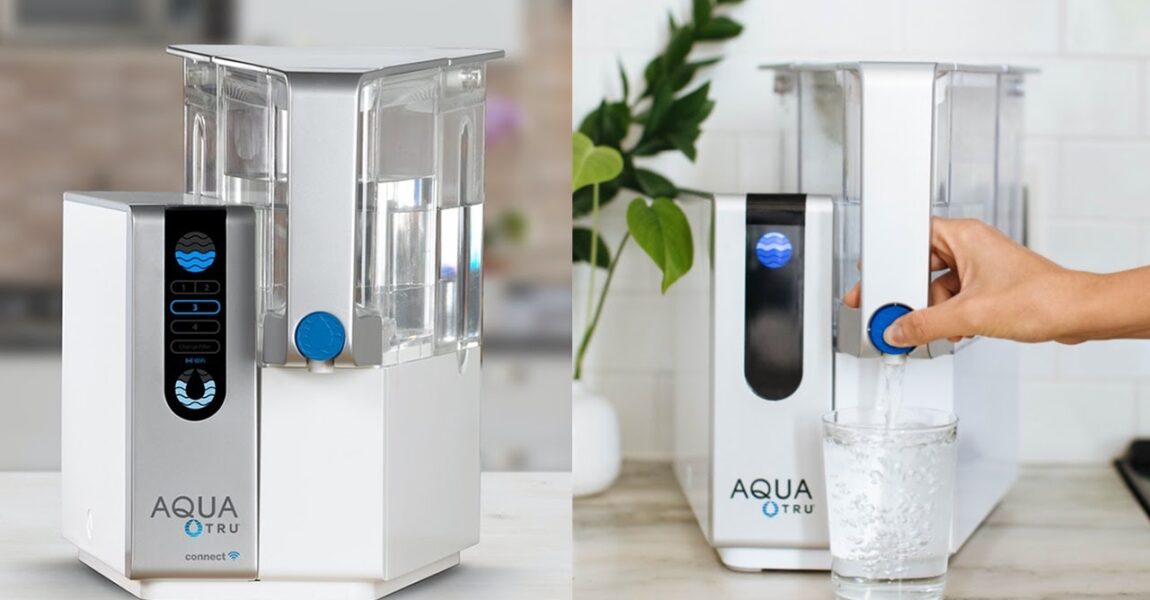
Learn more at WaterFilterAdvisor.com

Your Ultimate Guide to Reverse Osmosis Filters for the Home

That weird chlorine taste in your tap water, cloudy ice cubes, or a scary news report about local contaminants—these are the moments that make homeowners hunt for a real solution. If you've hit that point, Reverse osmosis filters are the gold standard for getting refreshingly pure water right from your kitchen sink.

Think of an RO system like an elite security checkpoint for your water. It's designed to separate pure, clean water molecules from a whole host of impurities that simpler filters just can't catch.

Your Journey to Perfectly Pure Water Starts Here

At its heart, a reverse osmosis system uses a special, semi-permeable membrane that acts like a microscopic bouncer at the velvet rope. It lets pristine water molecules pass right through but tells a huge list of unwanted guests they're not on the list. This guide will break down how this powerful technology works in simple terms, so you can feel confident choosing the right system to take your home's water from questionable to outstanding.

The core idea is actually pretty simple. Basic sediment filters just block dirt, and carbon filters absorb chemicals like chlorine. Reverse osmosis, on the other hand, operates on a molecular level. It’s a process trusted not just in homes, but in high-stakes industries where purity is everything.

The Science Behind Superior Filtration

This isn't some niche gadget; it's a globally trusted solution for water treatment. In fact, the global market for reverse osmosis components was recently valued at $18.8 billion and is expected to shoot up to $32.0 billion with a powerful 11.2% annual growth rate. That boom shows just how many homeowners are waking up to water quality issues and realizing RO is the answer. You can dig into the numbers in this detailed industry report.

What makes this process so different is its ability to target contaminants other filters leave behind, like:

  • Dissolved Solids: Sneaky stuff like salts, nitrates, and fluoride that are chemically mixed in with the water.
  • Heavy Metals: Nasty elements you don't want anywhere near your family, including lead, arsenic, and chromium.
  • Microscopic Contaminants: This includes certain bacteria and even viruses that can easily slip past less advanced filters.

By removing up to 99% of total dissolved solids (TDS), an RO system delivers water that isn't just filtered—it's fundamentally purified. This is exactly why it's considered the best-in-class technology for home water treatment.

If you're curious about the science, exploring different types of laboratory water purification equipment can give you a fascinating look at how far water treatment has come. Our main goal here, though, is to give you all the knowledge you need to make a great decision for your family's health and hydration.

How Reverse Osmosis Filters Achieve Unmatched Purity

Think of a reverse osmosis filter system as a multi-stage fortress protecting your water. It’s not just one single barrier, but a series of specialized checkpoints. Each one is designed to stop a different kind of intruder, making sure only the purest H2O makes it to your glass.

This systematic process is what really sets RO apart from simpler filters. Every stage has a unique job, and they all work together to tackle everything from gritty sand to invisible chemicals. Let's walk through this purification journey, one stage at a time.

Stage 1: The Outer Wall of Defense

The first line of defense in a typical under-sink RO system is the sediment pre-filter. You can think of this as the fortress's big, sturdy outer wall, built to stop the most obvious invaders before they can cause any real trouble.

Its main job is to catch physical particles floating in your water. This includes stuff you might see, like rust flakes from old pipes, but also microscopic dirt, sand, and silt. By grabbing these larger particles first, the sediment filter protects the more delicate, complex filters that come next.

Without this crucial first step, the sensitive parts—especially the RO membrane itself—would get clogged up and damaged in no time. That would kill the system's efficiency and shorten its lifespan. It’s the unsung hero that keeps everything else running smoothly.

This diagram shows the simple but powerful journey your water takes from the tap to a pure, refreshing drink.

As you can see, regular tap water goes in one side and is completely transformed, coming out the other as exceptionally pure water.

Stage 2: Neutralizing Chemical Threats

After the water is cleared of physical debris, it hits the second checkpoint: the activated carbon pre-filter. This stage acts like a specialist guard trained to identify and neutralize chemical threats that mess with your water's taste and smell.

The number one target here is chlorine, which is used in most city water treatment plants. While it’s great for killing bacteria, chlorine leaves behind a distinct chemical taste and odor that most people don’t enjoy. The porous carbon material in this filter is a master at adsorbing chlorine molecules, trapping them to get rid of that "pool water" smell from your tap.

It also takes care of other volatile organic compounds (VOCs) and chemicals that can affect water quality. This is a vital step for making your water taste crisp and clean.

Stage 3: The Heart of the System

Now we're at the core of the whole operation—the reverse osmosis membrane. This is the high-security vault of our fortress. It's an incredibly fine, sophisticated barrier that separates pure water from a shocking range of contaminants.

This semi-permeable membrane has microscopic pores, only about 0.0001 microns in size. To put that in perspective, a human hair is about 70 microns thick! These pores are so tiny they pretty much only let water molecules pass through. Everything else—dissolved solids, heavy metals, salts, you name it—gets rejected and flushed down the drain in a wastewater stream.

This is where the system removes the most difficult and dangerous contaminants, including:

  • Heavy Metals like lead, arsenic, mercury, and chromium.
  • Dissolved Solids such as fluoride, nitrates, and salts.
  • Radionuclides including radium and uranium.

The power of this technology is undeniable. The RO membrane alone can achieve rejection rates exceeding 98-99% for most contaminants, delivering a level of purity that other filtration methods simply cannot match.

Stage 4: The Final Polish

Once water gets through the RO membrane, it's incredibly pure, but there’s one last step to make sure it's perfect. The carbon post-filter, sometimes called a "polishing" filter, provides the final touch.

As the purified water sits in the storage tank, it can sometimes pick up faint tastes or odors. The post-filter’s job is to scrub out any of those lingering flavors, ensuring the water that flows from your dedicated RO faucet is as fresh and delicious as it can possibly be. This final polish guarantees every sip is crisp, clean, and refreshing.

It’s this complete, multi-stage process that has made reverse osmosis such a dominant force in water purification. In fact, RO technology commands a 36.3% revenue share in a global membrane filtration market valued at over $19 billion. It has become a critical solution for households who are serious about their water quality. You can find more insights about the growing membrane filtration market in industry reports.

Finding the Right RO System for Your Home

Choosing the right reverse osmosis filter isn’t a one-size-fits-all deal. It’s about matching the system to your lifestyle, your living situation, and how much water your family actually uses. Think of this as a quick guide to finding the perfect match for your home, whether you've got a full house or a small apartment.

Let’s break down the most popular options out there. We’ll look at real-world scenarios to turn all the technical talk into practical benefits, making your choice a whole lot easier.

Under-Sink Reverse Osmosis Filters: The Kitchen Workhorse

For most homeowners, the under-sink reverse osmosis system is the go-to, and for good reason. These are the workhorses of home water purification, tucked neatly out of sight in the cabinet under your kitchen sink. They hook right into your cold water line and give you purified water from a dedicated faucet on your countertop.

This setup is perfect for families needing a steady, high-volume supply of pure water for drinking, cooking, and filling up water bottles. They do require a bit of plumbing for installation, but their convenience and performance are tough to top.

Countertop Models: The Flexible Solution

What if you're renting? Or maybe you just don't have the space—or the desire—to install something permanently under the sink. That’s where countertop reverse osmosis filters come in. These portable units are all about flexibility.

Countertop systems don't need any permanent installation. Most just connect to your kitchen faucet with an adapter, and some are standalone units with their own reservoirs you fill by hand. This makes them perfect for:

  • Renters: Get all the benefits of RO water without touching the plumbing.
  • Small Spaces: Great for apartments, dorm rooms, or even RVs where under-sink space is at a premium.
  • Simplicity Seekers: If you want pure water without the installation headache, this is your answer.

While they might produce water a bit slower than under-sink models, their plug-and-play simplicity is a huge plus for many people.

Tankless Systems: Modern On-Demand Purity

The latest innovation in home filtration is the tankless reverse osmosis system. These sleek, modern units get rid of the big storage tank and instead purify water on the fly, as you need it. This on-demand approach has some serious advantages.

First off, they take up way less space under the sink, which is a big deal for cabinet storage. Second, since water isn’t sitting around in a tank, there's less risk of any secondary contamination. Most importantly, tankless systems are often much more efficient, wasting less water during the filtration process.

For a busy family that wants a continuous flow of fresh, pure water and values space-saving design, a tankless system is an excellent investment. They represent the cutting edge of residential reverse osmosis filters.

The demand for high-quality water at home is booming. The global market for RO faucets alone was valued at $650 million and is expected to climb toward $1.05 billion. This jump shows that more and more cost-conscious families and DIYers are getting serious about contaminants like chloramine and iron in their tap water. You can learn more about the expanding residential RO market on statsmarketresearch.com.

Ultimately, picking the right system comes down to your priorities. For more help weighing your options, check out our guide on how to choose the best water filter for your needs. By thinking about your space, water usage, and how comfortable you are with installation, you can confidently pick a system that will serve your home well for years.

Weighing the Pros and Cons of RO Water

Jumping into the world of reverse osmosis filters is a big decision, so let's have a frank chat about what it’s really like to own one. While the upsides are huge, you absolutely need to know about the potential downsides. This way, you get the full picture and can figure out if an RO system is actually the right call for your home.

The benefits are compelling, changing more than just your water—they change your daily routines. From the way your morning coffee tastes to the confidence you have in every glass you drink, you'll notice the difference right away.

The Clear Advantages of RO-Purified Water

The biggest win here is the incredible purity. RO systems strip out up to 99% of total dissolved solids (TDS), delivering water that is squeaky clean. This has a direct impact on taste and smell.

You'll see a ripple effect in everything you cook and drink. Coffee and tea have a much richer, cleaner flavor without that hint of chlorine, and even your soups and homemade pasta will taste better. Ever wonder why your ice cubes are cloudy? It's from impurities freezing. Ice made with RO water, on the other hand, is crystal clear because there's nothing there to cloud it up.

Another major pro is the long-term savings. If you're a bottled water household, an RO system can pay for itself a lot faster than you'd think. You'll switch from spending dollars per gallon to just pennies, and you’ll drastically cut down on plastic waste. That's a huge victory for both your wallet and the planet.

Finally, you just can't beat the peace of mind. Knowing your water is being filtered to remove a long list of nasty contaminants—like lead, arsenic, fluoride, and chromium—gives you the confidence that you’re providing the safest, healthiest water possible for your family.

Addressing the Common Concerns

Look, no technology is perfect, and it’s important to tackle the cons head-on. The three biggest hang-ups people have with reverse osmosis filters are water waste, mineral removal, and the space they take up. Luckily, today's systems have some pretty slick solutions for all three.

A great side benefit of reverse osmosis is its power against hard water, which is infamous for leaving limescale everywhere. While an RO system prevents this from happening in the first place, if you’re already battling buildup, you might find some useful advice on how to remove limescale from your kettle, shower, and taps. This really puts into perspective how good RO is at stopping those mineral problems before they even start.

Let’s talk about the wastewater, or "brine." This is just the concentrated stream of rejected contaminants being flushed down the drain. Old systems were notoriously inefficient, but modern, high-efficiency models have come a long way, with many now at a much more respectable 1:1 ratio (one gallon of waste for every gallon of pure water).

For anyone wanting peak efficiency, a system with a permeate pump is the way to go. These little devices are game-changers, capable of reducing water waste by up to 80% and making your RO system way more sustainable.

Another fair point is that the RO membrane is so effective it removes almost everything, including beneficial minerals like calcium and magnesium. While we get most of these from our diet, some people just prefer the taste of mineral water. The fix is simple: add a remineralization filter. This is an optional final stage that adds a healthy mix of minerals back into the water after purification. You get pure water, then you get the good stuff back.

Quick Comparison: RO System Pros and Cons

To help you weigh everything at a glance, here’s a straightforward table that pits the benefits of a home RO filter system against its potential drawbacks and how to solve them.

Benefit Drawback Solution/Consideration
Superior Purity Wastewater Choose a high-efficiency model or add a permeate pump to reduce waste.
Improved Taste & Odor Mineral Removal Add an alkaline remineralization stage to reintroduce healthy minerals.
Cost Savings Space Required Tankless systems offer a compact, space-saving design for tight cabinets.

Ultimately, this table shows that for every common concern, there's a practical and accessible solution available, allowing you to customize a system that fits your needs perfectly.

Lastly, there’s the issue of space. Traditional under-sink systems use a storage tank that can eat up cabinet real estate. If you’re short on room, a tankless reverse osmosis system is a fantastic alternative. These sleek, modern units purify water on demand, getting rid of the bulky tank and freeing up precious space under your sink.

Mastering Installation and Maintenance

The thought of messing with plumbing can be a little daunting, but you'd be surprised how straightforward getting an RO system up and running can be. Let's walk through what it takes, figure out if this is a job for you or a pro, and then cover the simple routine to keep it working perfectly for years.

Think of it this way: you don't need to be a mechanic to change a tire. And you definitely don't need to be a master plumber to install many of today's user-friendly reverse osmosis filters. With a bit of confidence, you can handle this and enjoy pure water without a huge hassle.

DIY Installation vs. Calling a Professional

For anyone who's a little handy, installing an under-sink RO system is a great weekend project. Most kits are designed for DIYers, with clear instructions and color-coded tubing that pretty much eliminate the guesswork. If you know how to use a drill and a wrench, you're most of the way there.

But sometimes, calling in a professional is the smart play.

You should probably hire a plumber if:

  • You have granite, marble, or quartz countertops. Drilling the hole for the new faucet requires a special diamond-tipped bit and a lot of skill to avoid a very expensive crack.
  • Your under-sink plumbing looks ancient, is oddly configured, or you're just not feeling confident. A tiny mistake here can turn into a big, soggy problem.
  • You're putting in a more complex setup, like a whole-house unit or one that includes a permeate pump. Those installations need a bit more plumbing know-how.

A professional install usually runs between $150 and $400, depending on where you live and what's involved. For many people, that cost is well worth it for the peace of mind that comes with a guaranteed, leak-free job.

Your Simple RO Maintenance Schedule

Keeping your reverse osmosis system in peak condition really just comes down to one thing: changing the filters on time. If you ignore it, it's like never changing the oil in your car—performance will drop, and eventually, the whole thing will get clogged up and fail.

Following the schedule isn't just about water quality; it's about protecting the RO membrane, which is the most expensive and important part of the whole system.

Here’s a general timeline for a typical under-sink unit. Always double-check your owner's manual, though, as every system is a little different.

  • Sediment and Carbon Pre-Filters (Stages 1 & 2)
    • When to Change: Every 6 to 12 months.
    • Why It Matters: These are the workhorses. They catch all the gunk and chlorine that would otherwise destroy the delicate RO membrane. If these clog, the membrane's life gets cut short, fast.
  • Reverse Osmosis Membrane (Stage 3)
    • When to Change: Every 2 to 3 years.
    • Why It Matters: This is the heart of the system. How long it lasts depends entirely on your water quality and how diligent you are about changing those pre-filters.
  • Carbon Post-Filter (Stage 4)
    • When to Change: Every 12 months.
    • Why It Matters: This is the finishing touch. It gives your water a final "polish" to make sure it tastes crisp and clean, removing any off-tastes it might have picked up in the storage tank.

That's really it. Sticking to this simple routine is the key to making your system last. It's a small task that ensures your family gets pure, fantastic-tasting water for years to come.

How to Choose a System You Can Trust

The market is flooded with reverse osmosis systems, all making bold claims. So how do you cut through the noise and figure out which one actually works?

The secret is to ignore the marketing hype and look for one thing: independent, third-party certification. This is the only real proof you have that a system can do what it says it can.

Think about it—an uncertified system is a complete gamble with your water quality. You’re just taking the manufacturer’s word for it. That's why certification isn't just a nice bonus; it's the most critical factor in your entire decision.

The Gold Standard: NSF/ANSI 58

When you're looking at RO systems, the seal of approval that matters most is NSF/ANSI 58. Consider this the ultimate guarantee of quality and safety. The National Sanitation Foundation (NSF) is a respected independent organization that puts water filters through the wringer to make sure they meet strict public health standards.

A system with an NSF/ANSI 58 certification has survived a whole battery of tests to confirm two vital things:

  • Contaminant Removal: The system has been proven to actually reduce specific contaminants like lead, chromium, fluoride, or arsenic down to safe levels. It's not just a claim; it's a tested fact.
  • Material Safety: Every single component that touches your water—from the tubing to the faucet—is made from safe materials that won't leach chemicals back into your clean water.

If a filter is missing this certification, you have no real assurance that it’s removing anything dangerous. You don’t even know if its own parts are safe. Making NSF/ANSI 58 your top priority is the smartest move you can make.

Your Essential Buyer's Checklist

Once you’ve confirmed a system has the right certification, you can start comparing the practical stuff. Use this simple checklist to narrow down your options and find the perfect fit for your home.

  1. Water Production Rate (GPD): This is measured in Gallons Per Day and tells you how fast the system makes pure water. For a typical family of four, a system rated for 50 to 75 GPD is usually more than enough.

  2. Water Waste Ratio: This tells you how much wastewater goes down the drain for every gallon of pure water produced. Look for modern, high-efficiency systems with a 1:1 or 2:1 ratio to save water and lower your utility bills.

  3. Filter Lifespan and Cost: Don't forget to check the replacement schedule and price for all the filters—the pre-filters, the post-filter, and the RO membrane itself. This is how you calculate the true long-term cost of ownership.

  4. System Type and Footprint: Do you have space under your sink for a traditional model with a storage tank? Or would a sleek, compact tankless system be a better match for your kitchen?

By starting with the non-negotiable proof of NSF certification and then using these checkpoints, you'll be able to make a smart, confident choice. You’ll end up with a system that truly delivers safe, pure water for your family.

Your Top Questions About Reverse Osmosis Filters

It makes sense you’ve got questions. Deciding to upgrade your home’s water is a big deal, and you want to get it right. Let's tackle some of the most common things homeowners ask about reverse osmosis filters so you can feel totally confident moving forward.

We'll clear up the biggest concerns we hear, from mineral content to water waste.

Do Reverse Osmosis Filters Get Rid of Healthy Minerals?

Yes, they do. The reverse osmosis membrane is so effective that it pulls almost everything out of the water—and that includes beneficial minerals like calcium and magnesium. This is a big point of confusion for a lot of people.

But here’s the thing: we get the vast majority of our essential minerals from food, not water. If you want the best of both worlds (ultra-clean water and minerals), the fix is easy. Many RO systems now offer a remineralization filter that adds those healthy minerals right back in before the water hits your glass.

How Much Water Do RO Systems Really Waste?

This is probably the #1 question we get, and it’s a good one. Old-school RO systems had a bad reputation for being water hogs, sometimes flushing several gallons down the drain just to make one gallon of pure water.

Luckily, the technology has improved dramatically. Modern high-efficiency systems have seriously cut down on waste, with many hitting a much friendlier 1:1 ratio. That means for every gallon of purified water you get, only one gallon of wastewater (called brine) goes down the drain.

Want to save as much water as possible? Look for a system with a permeate pump. This nifty device can slash water waste by up to 80%, making your whole setup incredibly efficient.

Can I Hook My RO Filter Up to My Fridge?

Absolutely! This is one of the most popular and practical upgrades you can make. Most under-sink RO systems connect to your refrigerator's water line and ice maker with a simple kit.

It’s a game-changer. You get convenient, amazing-tasting water and crystal-clear ice cubes, finally free of that funky chlorine taste from regular tap water.

Is Reverse Osmosis Water Safe for Everybody?

For the overwhelming majority of people, water from a properly certified RO system is incredibly safe and healthy to drink. It’s still one of the most powerful ways to remove a massive list of nasty contaminants from your water.

The only time to think twice is if you've been given specific medical advice to avoid demineralized water. Even in those rare cases, grabbing a system with a remineralization stage is the perfect solution. Everyone can enjoy the benefits safely.


Ready to take your home's water from just "okay" to truly exceptional? The experts at Water Filter Advisor have created in-depth guides, honest reviews, and practical advice to help you find the perfect reverse osmosis system for your family. Check out your options and start your journey to better water today at https://www.waterfilteradvisor.com.

Top 5 Best Reverse Osmosis Systems of 2023 | Best Water Filtration System For Home And Office

Top 5 Best Reverse Osmosis Systems of 2023 | Best Water Filtration System For Home And Office


Are you looking for the best reverse osmosis systems in 2023?

—————–►Updated Price Links◄—————

00:00 – Introduction
0:47 – 5. AquaTru Water Purification System ➼

1:30 – 4. iSpring RCC7AK ➼

2:19 – 3. Express Water RO5DX ➼

3:07 – 2. APEC Water Systems ROES-PH75 ➼

3:49 – 1. Waterdrop G3 Reverse Osmosis ➼

💥 Best Selling Reverse Osmosis Systems ➼

—————— Checking out more videos ———-

✦ Top 5 Best Under Sink Water Filter ➼
✦ Top 5 Best Water Filter Pitcher ➼
✦ Top 5 Best Water Distiller ➼
✦ Top 5 Best Soda Maker ➼

————————————————————————

➥Disclaimer:
Some of the footages used in this video is not original content produced by “Pro Selection”. Portions of stock footage of products were gathered from multiple sources. please do not hesitate to contact us.

➥ Copyright Issue: –
If you find any of your copyrighted material in this video,
please leave us a message, so we can resolve the issue.

Connect With Us ▼

─────── ❏ Business Inquiries ❏ ─────────
📧For business inquiries : contactproselection@gmail.com

➥ AMAZON AFFILIATE DISCLOSURE: Pro Selection is a participant in the Amazon Services LLC Associates Program, an affiliate advertising program designed to provide a means for sites to earn advertising fees by advertising and linking to Amazon.com.

****
Music Credit :
Track: Cadmium – Change Your Mind [NCS Release]
Music provided by NoCopyrightSounds.
Watch:
Free Download / Stream:

Related Searches: Best Reverse Osmosis Systems,best reverse osmosis system 2023,best reverse osmosis system reviews,best reverse osmosis systems,best reverse osmosis system 2022,best reverse osmosis system,best budget reverse osmosis system,best countertop reverse osmosis,best countertop reverse osmosis system,best home reverse osmosis system,best home water filtration system,best reverse osmosis,best reverse osmosis water filtration system,best ro system,best tankless reverse osmosis,best tankless reverse osmosis system,best tankless ro system

#BestReverseOsmosisSystems
#BestReverseOsmosisSystem
#ReverseOsmosisSystemReviews
#ReverseOsmosisSystem
#ReverseOsmosis

—————- LEAVE US A COMMENT —————

➤ Don’t forget to:

★ Subscribe
★ Like
★ Comment
★ Share with your friends

© All rights reserved by respective owners.

Original Video Source

The Truth About Mineral Water & The Best Water Purifier in India

The Truth About Mineral Water & The Best Water Purifier in India


Which is the best water purifier in Indian market? What is the truth about mineral water? Which water is best for drinking?

Buy AURIC –
(Use Code FT25 to get 25% OFF on a pack of 12 and 24 bottles)
BUY AURIC from Amazon (Pack of 12) –

Which water purifier is best for you? Do you really need an RO? What is the truth about mineral water? How most water purifier companies are misleading you with their cheap marketing tactics? Watching this video till the end you get clear answers to all these questions and you will be able to easily decide what is best for you and your family.

0:58 – The water purifying technologies available in the Indian market. Today, Installing the best water purifier has become a necessity rather than a luxury. But with so many options with every brand claiming that their technology is best it gets really hard and confusing to choose the best water purifier. But not anymore.

02:58 – Which water purifying technology is best for you?
06:52 – How water purifier companies are misleading the general public. 5 Reasons.
09:45 – The best water purifiers in the Indian market

How to check the quality of your tap water?
Buy TDS meter –
TDS meter 2 –
Electrolyser –

BUY THE BEST WATER PURIFIER FOR YOU (Not Sponsored)
If the TDS of your water is less than 300 then buy this
If the TDS of your tap water comes out to be greater than 300 but less than 500 then buy this
If the TDS of your tap water comes out to be greater than 500 but less than 900 then buy this
If the TDS of your tap water comes out to be greater than 900 then buy this

To know the right way of drinking water, watch this

10:26 – Video Partner – AURIC – Buy AURIC –
(Use Code FT25 to get 25% OFF on a pack of 12 and 24 bottles)
BUY AURIC from Amazon (Pack of 12) –

BEST PRODUCTS FROM WORST TO BEST SERIES (My Recommendations) (NOT SPONSORED)
Best Shampoo –
Best Face wash –
Best Deodorant –
Best Sunscreen –
Best Face Cream –
Best Breakfast –
Best Instant Noodles –
Best Biscuits –

MY GEAR
Camera –
Mic –

MORE USEFUL LINKS

Copper Jug that I recommend –
Brass Kadhai that I recommend –
Water bottle that I use –
Gram Flour to prepare Chilla –
Semi Brown Rice that I use –
Multi grain Atta that I have used –
Bhuna Chana –
Rock Salt –
Black salt –
Jaggery –
Stevia –
Honey –
Millets –
Oats –
Brown Rice –
Peanuts –

MORE ON FIT TUBER

5 Amazing Patanjali products you should try

10 Toothpastes in India Ranked from Worst to Best?

Customized Oatmeal full recipe video:

Paneer Stuffed Pesarattu full recipe video:

Full day diet plan for Muscle Building:

Full day diet plan for fat loss:

Diet Plan for weight loss

Music Credits : YouTube Audio Library

I wish you good health.
Fit Tuber

Original Video Source

Whole Apartment Water Filtration system - Water Sparks #wholehousewaterfilter

Whole Apartment Water Filtration system – Water Sparks #wholehousewaterfilter


#wholeapartmentfiltrationsystem #wholeapartmentfilter #wholehousefilter #wholehousewaterfilter
#waterfilter
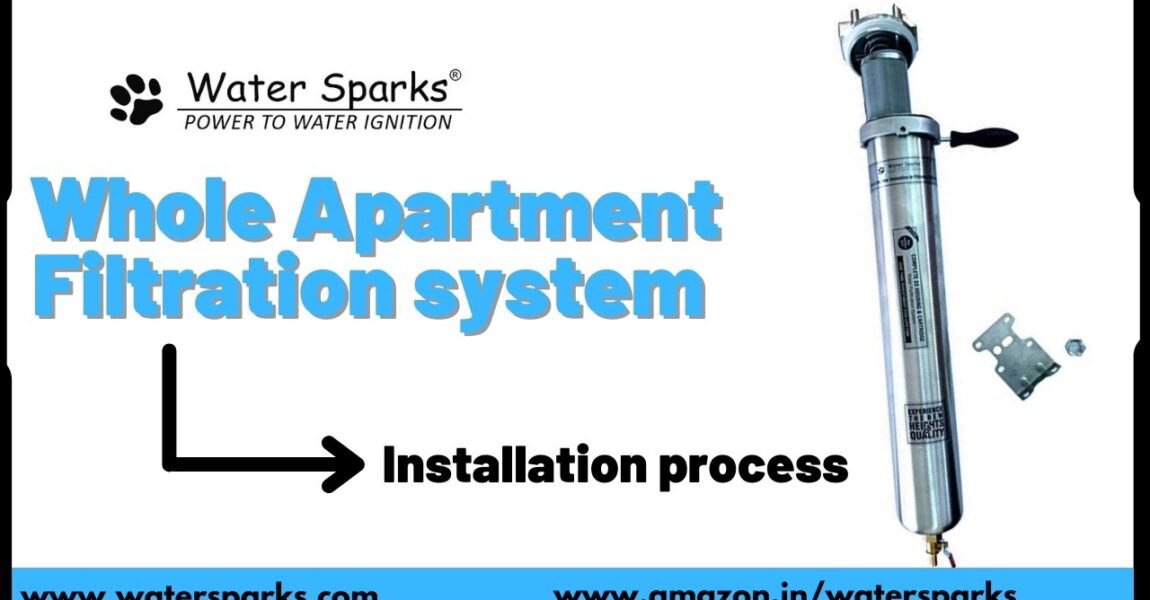
Product details:- Water Sparks Whole House/ Apartment Filtration System in Complete Stainless Steel 304 grade reduces hair fall, protects the skin, removes bad odor, and gives you clean, healthy water. Removes dissolved iron particles in water up to 50%. Removes Suspended impurities in water up to 40 microns. The filter mesh is made of special SUS316L stainless steel, which is easy to clean and durable and lasts for a very long period, and does not require change at all, unlike traditional cartridge filters.

Please visit our amazon store to see all product including Whole apartment water filtration system:-

We are an RO water treatment plant company based in Chennai. We are one of the leading manufacturers and suppliers of RO water treatment plants in Chennai, Iron removal plants, industrial RO water treatments which are fabricated using high-quality material. Water Sparks includes a fervent team of Engineers, Technicians who are trained in their individual fields to supply Superior Quality products & unmatched client Service.

Our official websites:

Contact or Whatsapp me: 9884366644

Original Video Source

5 Best Water Purifier You Can Buy In 2023

5 Best Water Purifier You Can Buy In 2023


BUY NOW⬇⬇
5️⃣pH Recharge Glass Alkaline Water Filter Dispenser
►Amazon US :
►Amazon CA :
►Amazon DE :
►Amazon IT :
►invigorated water LLC US :
►Walmart US :

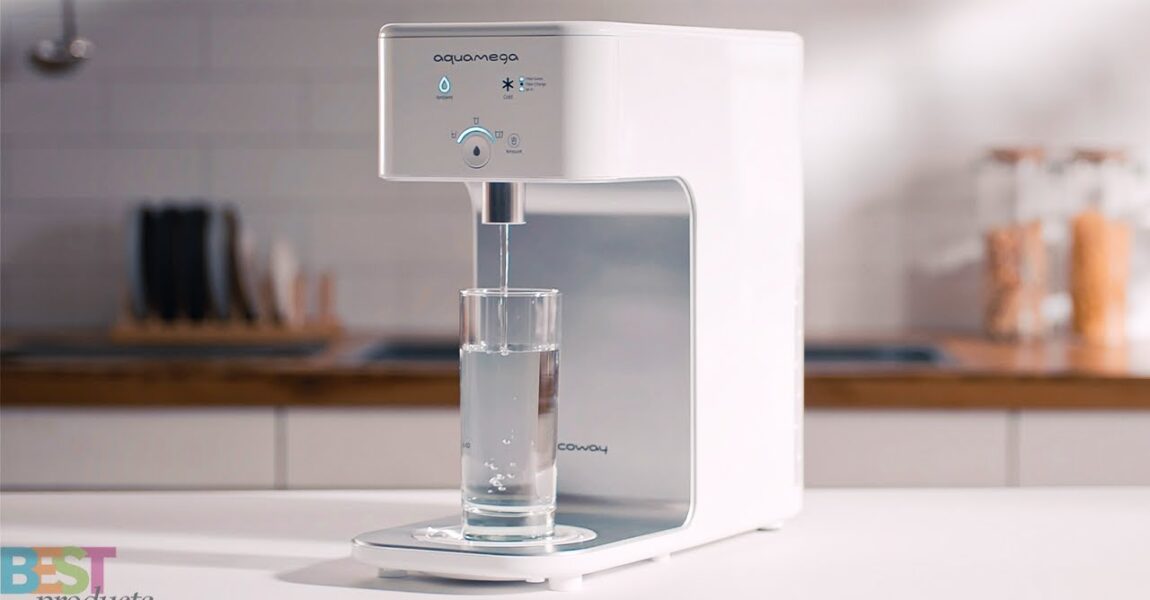
4️⃣Coway Aquamega 100 Water Purifier
►Amazon US :
►Amazon CA :
►Amazon UK :
►Walmart US :
►Wayfair US :
►Desertcart IN :

3️⃣Pentair Rocean Reservoir At-Home Water Filter
►Amazon US :

2️⃣AIBERLE Countertop Ultra-Filtration Water Filter
►Amazon US :
►Amazon CA :
►AliExpress :

1️⃣Bluevua RO100ROPOT Reverse Osmosis System Countertop Water Filter
►Amazon US :
►Home Depot US :
————-
⬇Coupons⬇
🌟 Aliexpress ➼
🌟 Banggood ➼
🌟 Best Amazon Selling Products ➼
🌟 Honey ➼
————-
📧For Business Inquiries : BestProductsNET@gmail.com
————-
best water purifier for home,
best water purifier in bangladesh,
best water purifier for backpacking,
best water purifier 2023,
best water purifier under 10000,
best water purifier pitcher,
best water purifier in india,
best water purifier bottle,
best water purifier aquaguard,
best water purifier at low price,
best water purifier alkaline,
best water purifier at home,
best water purifier arrow,
best water purifier australia,
best water purifier available in india,
best water purifier above 20000,
the best water purifier,
the best uv water purifier,
best water purifier bd,
best water purifier brand,
best water purifier bottle in india,
best water purifier by fit tuber,
best water purifier below 10000,
best water purifier by vineet malhotra,
best water purifier below 5000,
best water purifier camping,
best water purifier company in india,
best water purifier copper tank,
best water purifier candle,
best water purifier cartridge,
best water purifier countertop,
best water purifier company in world,
best water purifier copper,
best water purifier dispenser,
best water purifier drops,
best water purifier dubai,
best water purifier digital,
best water purifier dispenser singapore,
best water purifier in delhi,
best drinking water purifier for home,
best water purifier for drinking water,
best water purifier emergency,
best water purifier exchange offer,
best water purifier without electricity,
best electric water purifier,
best water purifier for home non electric,
best electric water purifier for home,
best electric water purifier under 5000,
best water purifier in india 2023 english,
best water purifier for survival,
best water purifier for camping,
best water purifier for hiking,
best water purifier for sink,
best water purifier filter,
best water purifier for home use,
best water purifier geekyranjit,
best water purifier gravity based,
best water purifier for groundwater,
best gravity based water purifier 2023,
best gravity based water purifier telugu,
best gravity based water purifier 2023,
kent best gravity water purifier,
best iron guard for water purifier,
best water purifier hiking,
best water purifier hot and cold,
best water purifier home use,
best water purifier home,
best water purifier havells,
best water purifier hot and cold in india 2023,
best water purifier for home in telugu,
best water purifier for home in tamil,
best water purifier in usa,
best water purifier in telugu,
best water purifier in tamil,
best water purifier in india 2023,
best water purifier in amazon,
best water purifier in 2023,
best water purifier jug,
best water purifier japan,
best water purifier for delhi jal board water,
best water purifier kannada,
best water purifier kajal,
best water purifier kaun sa hai,
best water purifier kerala,
best water purifier kit,
best water purifier kent,
best water purifier kent or aquaguard,
best water purifier korea,
best water purifier low price,
best water purifier livpure,
best water purifier lowest price,
best water purifier with low maintenance,
best water purifier for low tds,
best lg water purifier in india,
latest best water purifier for home,
best water purifier in india 2023 low price,
best water purifier malayalam,
best water purifier mobile,
best water purifier machine for home,
best water purifier machine,
best water purifier membrane,
best water purifier malaysia,
best water purifier mumbai,
best water purifier machine in india,
best water purifier non electric,
best water purifier non ro,
best nf water purifier in india,
best water purifier in nepal,
best non ro water purifier in india 2023,
best non electric water purifier in telugu,
best non ro water purifier in india 2023,
best water purifier on amazon,
best water purifier of aquaguard,

Original Video Source

How to make effective DIY Water filter? Free drinking water for the family

How to make effective DIY Water filter? Free drinking water for the family


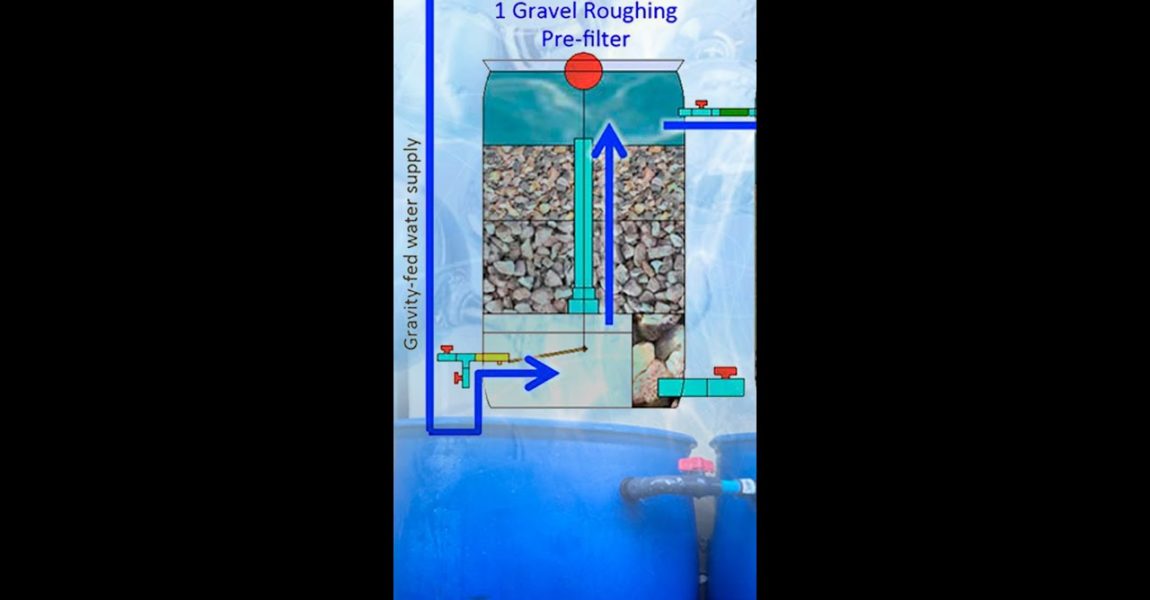
Today I’ll share with you one of our lessons on how to make a slow sand biochar filter that treats 300 litres of pond or rain water per day. Can I make swamp water drinkable? How do I purify water? How do I make dirty water clean? How do I make water drinkable? Water filter for drinking. Water filter with charcoal. How to make water filter for home?

Join our telegram channel. 😊
★ TELEGRAM // t.me/bio_veda

Check out our online courses:
★ WATER COURSE // www.bioveda.co/water
★ DOME HOME COURSE // www.bioveda.co/domehome
★ ECO HOME FOR COLD CLIMATE // www.bioveda.co/wautillarium

water filter, DIY water filter, how to make a water filter, how to purify water, how to purify water with sand, how to purify water with charcoal, how to make clean water, clean water, purified water, purify water with charcoal, how to make drinking water, how to filter water for drinking, homemade water filter, how to filter water, water filter DIY, water filtration system, water purifier, water filter system for home, how to make water filter, filter water, filtering water, how to clean water, natural water filter,water purification

Original Video Source

Holy Grayl or Major Fail? Grayl Geopress Water Filter Review

Holy Grayl or Major Fail? Grayl Geopress Water Filter Review


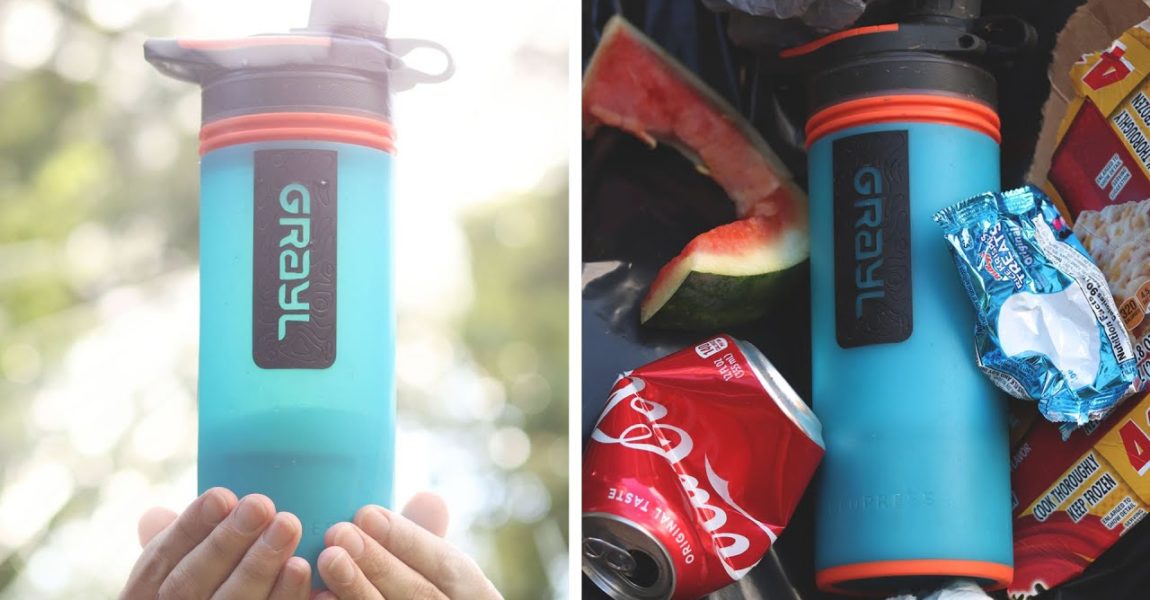
Grayl wants to be the Holy Grail of water filters. Do they deserve that title? Grayl certainly can filter a lot of different contaminates including Bacteria, Protozoa, Chemicals, Heavy Metals, Taste, and even Viruses. But that alone does not make it the best. What about weight and size? Usability? Price? and more? I talk about all the things that make Grayl great and some of the things that make it not so great. I also see if Grayl can turn Coca-Cola (Coke) into pure clean drinking water? Be sure to watch till the end to find out.

The video that claims Grayl can filter Coke:

Grayl GeoPress Water Filter:
Grayl Ultralight Water Filter:

Disclaimer: Some of these links are affiliate links where I’ll earn a small commission if you make a purchase at no additional cost to you.

Contact me at: info@mylifeoutdoors.com

Subscribe to my Channel:

Subscribe to my Blog:

Connect on Social:
Facebook:
Twitter:
Instagram:

Camera Equipment I use:
Talking Head Camera:
Talking Head Lens:
Talking Head Mic:

As an Amazon Associate I earn from qualifying purchases at no addition cost to you.

Original Video Source

5 Best Water Filter Pitcher | Best Water Filtration System for Home Use

5 Best Water Filter Pitcher | Best Water Filtration System for Home Use


The best water filter pitcher comes with an excellent water filtration system to filter your tap water and preserve it in the pitcher. The key features of the best water filter pitcher are their capacity and filtering performance. So, here’s our video discussing the 5 best water filter pitcher and best water filtration system for home use, that you should check out!

Best water filter pitcher list: (Affiliate Link)

0:00 – Introduction

00:43 – 5. LifeStraw Home Water Filter Pitcher
Link:

01:38 – 4. Epic Nano Water Filter Pitcher
Link:

02:37 – 3. ZeroWater zd-20RP-N Water Filter Pitcher
Link:

03:29 – 2. Aquagear Water Filter Pitcher
Link:

04:34 – 1. Brita UltraMax Water Filter Pitcher
Link:
———————————————————————————–
You may also like these videos –
** Water Filter Pitcher:
** Reverse Osmosis System: Reverse Osmosis System
———————————————————————————–
Intro, Outro & Animation Credit: (Boring Motion)
***Music Source: Youtube Audio Library
***Video Credit:
** LifeStraw:
** Epic Water Filters:
** ZeroWater:
** Aquagear Water Filters:
** Brita USA:
————————————————————————————
Business Email: mailkitchengadgetzone@gmail.com
————————————————————————————
Disclaimer:
***The following video abides by the YouTube Community Guideline. Footage used in this video is for educational purposes.
***The footage used in this video follows Fair Usage Policy “Under Section 107” of the “Copyright Act 1976”. If you have any copyright issues, please send us an email or let us know by commenting below.

#waterfilter #filterpitcher #waterpitcher

Original Video Source

5 Best Water Filtration Systems 2022

5 Best Water Filtration Systems 2022


In this video, We listed Best Water Filtration Systems, You can check the price or purchase in the description below!

Best Water Filtration Systems

✅ Find Your Best Products:

✔ 5. Pure Hydration Alkaline Water Filtration:

✔ 4. Aqua Ionizer Deluxe 9.0 Aqua Water Filtration:

✔ 3. Waterdrop Reverse Osmosis Water Filtration:

✔ 2. Aquasure AS-PR75A Osmosis Water Filtration:

✔ 1. EcoPure ECOP30 Water Filtration:

✅ Be sure to leave a comment and to check out my channel! We have a lot more videos.

Business: howmuchbest@gmail.com

If you find any copyrighted material in this video, so you can email us to: howmuchbest@gmail.com, we’ll solve your copyrighted issue within 24 hours.
© All rights reserved by respective owners.

#BestWaterFiltrationSystems

Original Video Source