Water Filter System Comparison: Your Ultimate Home Guide
Choosing a water filter system is like picking the right superhero for the job. Do you need a mighty guardian for your entire home, deflecting unseen villains before they even enter? That’s your whole-house system. Or do you need a specialist, a culinary artist dedicated to crafting the perfect, pure drinking water right at your kitchen sink? That’s your under-sink filter. The best choice for your fortress (aka your home) depends on whether you’re after total protection, targeted purity, or something in between.
How To Choose Your Ideal Home Water Filter
I get it—the world of water filters can seem as vast and mysterious as the deep blue sea. But don't worry, you don't need a submarine to navigate it. The journey starts with one simple question: what problem are you trying to solve? Is your tap water just a bit funky-tasting, or are you waging war against hard water scale that’s slowly assassinating your appliances?
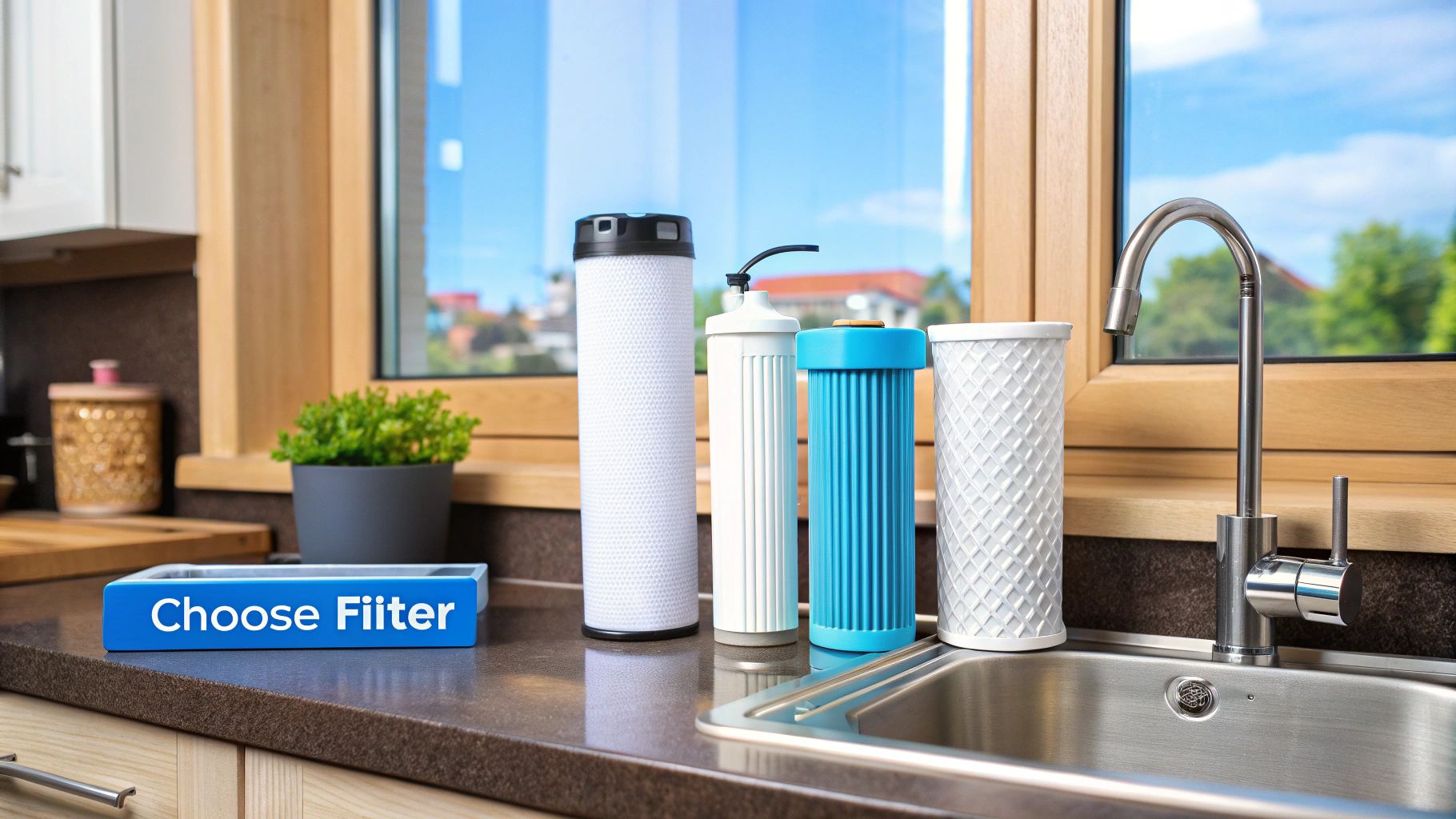
Every filter type has its own special mission. Once you understand their superpowers, picking your champion becomes a whole lot easier. This quick rundown will help you assemble your team of heroes before we dive into the nitty-gritty lab specs.
A Quick Guide To Filter Types
The main types of home filtration systems are designed to solve very different problems. A whole-house system is the all-powerful titan of filtration—it’s installed at the point where your main water line enters your home and purifies every single drop of water you use. This is the ultimate weapon if you’re fighting battles against chlorine, sediment, and hard water minerals that can wreck appliances and leave your skin feeling as dry as a desert.
On the other hand, point-of-use (POU) systems are the specialists, treating water in one specific spot, like your kitchen sink or shower. These include:
- Under-Sink Filters: These stealthy operators are installed neatly out of sight under the counter, providing a dedicated faucet for perfectly pristine water for drinking and cooking.
- Faucet-Mounted Filters: A super-simple, no-fuss sidekick that attaches right to your existing faucet for instant filtration. No plumber sidekick needed.
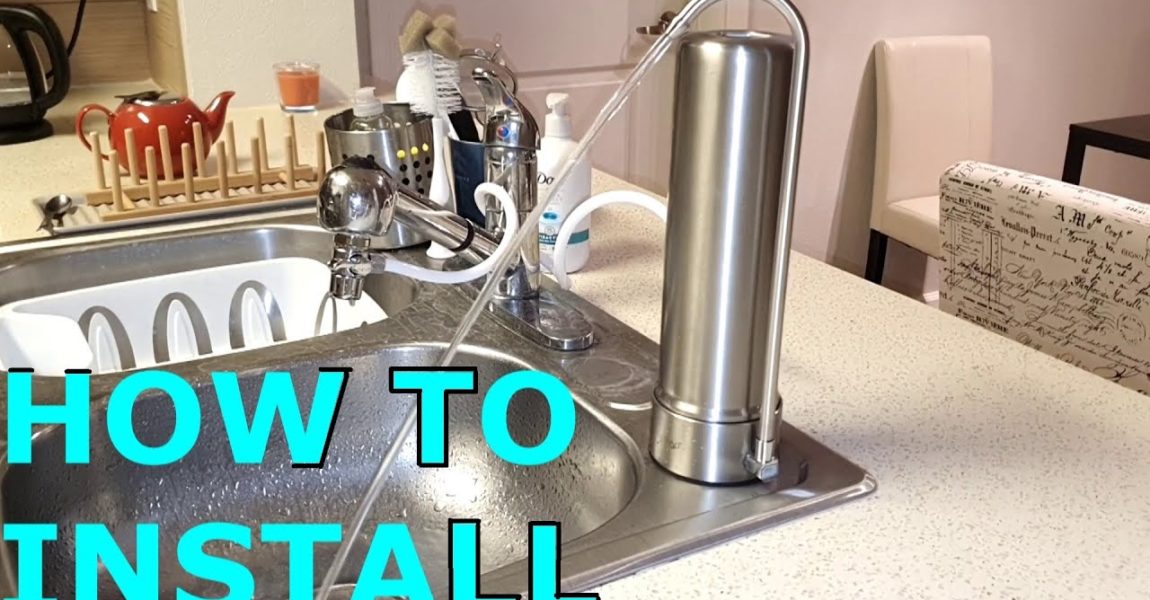
- Countertop Filters: These units sit on your counter and connect to the faucet, offering some serious filtration power without any permanent installation.
The decision often comes down to scope. If you're only worried about the quality of your drinking water, a point-of-use system is a smart, budget-friendly choice. But if you’re tackling system-wide problems like hard water or contaminants in all your taps, a whole-house solution is the only investment that truly makes sense.
If you’re already planning some major home upgrades, that’s the perfect time to get your water sorted. For example, if you consider water filtration as part of a whole house remodel, you can build the system right in from the get-go to protect all your new plumbing and fixtures.
To make it even simpler, here's a quick reference table to match your mission with the right kind of filter.
Quick Guide to Home Water Filtration Systems
| Your Primary Need | Recommended Filter Type | Core Benefit |
|---|---|---|
| Purified drinking and cooking water | Under-Sink or Countertop Filter | High-level contaminant removal at a single tap. |
| Protect all plumbing and appliances | Whole-House Filter | Comprehensive treatment for every faucet and shower. |
| Improve tap water taste affordably | Faucet-Mounted Filter | Easy, low-cost solution for better-tasting water. |
| Softer hair and skin in the shower | Shower Head Filter | Reduces chlorine and minerals that cause dryness. |
By figuring out your main goal first, you can confidently start looking at specific models that fit your home and lifestyle. For a deeper dive, there's a ton of great, practical advice on choosing water filters to help with your home’s unique situation. Next up, we'll break down the different technologies that make these systems work.
Getting to Grips with Filtration Tech and What It Removes
Let's be clear: not all water filters are created equal. Not even close. The real magic happens inside the filter housing, where different technologies go to battle against the specific gunk you want out of your water. You wouldn't hire a superhero to do your taxes, right? Same idea here. That’s why any real water filter system comparison starts by looking under the hood at the science.
But before you even think about which filter to buy, take a look at your overall water system. If you have a water tank, for example, you need to deal with any sediment or microbial growth in there first. A great guide I saw pointed out that ensuring a clean water tank is a vital precursor to effective filtration. It just makes sense—starting with a cleaner source lets your new filter focus on the microscopic villains it was designed for.
With that out of the way, you can pick the right tool for the job. Each filtration method has its own superpower, designed to take out different kinds of impurities.
Activated Carbon: The King of Taste and Odor
Activated carbon is the dependable workhorse of the filter world—it's probably the most common tech you'll run into. It operates on a principle called adsorption, which basically means contaminants get stuck to the carbon's incredibly vast surface area. Think of it like a microscopic, super-porous magnet that traps impurities as water flows past.
This method is an absolute champ at fixing aesthetic issues and improving the general quality of your tap water. It’s best known for removing:
- Chlorine: This is the main culprit behind that "public pool" smell and taste in city water.
- Volatile Organic Compounds (VOCs): A fancy name for things like pesticides and herbicides that can sometimes seep into the water supply.
- Funky Tastes and Smells: Carbon is fantastic at neutralizing whatever is making your water taste off.
What it won't do is remove dissolved minerals, salts, or most heavy metals like lead. It's a specialist for making water pleasant, not a catch-all purifier.
Reverse Osmosis: The Purity Powerhouse
When you absolutely, positively need the purest water possible, Reverse Osmosis (RO) is the undisputed champion. This process uses pressure to push water through a super-fine, semipermeable membrane, leaving up to an incredible 99% of all contaminants behind. It's like having a microscopic bouncer at the door who only lets pure water molecules get past.
RO systems are brutally effective against a huge list of contaminants:
- Dissolved Solids: This includes salts and the minerals like calcium and magnesium that cause hard water.
- Heavy Metals: Nasty stuff like lead, arsenic, mercury, and even fluoride are effectively removed.
- Microorganisms: Most bacteria and viruses are simply too large to squeeze through the RO membrane.
The trade-off for this level of purity is water waste. An RO system has to flush the rejected contaminants down the drain, so it uses several gallons of "waste" water to produce one gallon of pure water. Still, for anyone with serious water quality concerns, its performance is second to none.
Sediment and UV: Your System's Bodyguards
Last but not least, we have two technologies that act as defenders for your entire water system. Sediment filters are your first line of defense. They’re simple screens designed to physically block larger particles like sand, silt, rust, and other debris. Their job is to keep that gunk from clogging up the more complex, expensive filters that come after them.
UV (Ultraviolet) sterilization, on the other hand, is a microbial hitman. It zaps water with UV light, which scrambles the DNA of bacteria, viruses, and cysts so they can't reproduce and make you sick. It doesn't actually remove anything, but it renders microscopic baddies harmless. This is an absolute must-have for homes on well water.
A Detailed Comparison of Home Water Filter Systems
Trying to pick the right water filter can feel overwhelming. It’s not about finding the single “best” system, but about finding the right one for your home. A whole-house filter that treats every drop of water serves a totally different purpose than a targeted under-sink unit that purifies your drinking water. It all comes down to what you’re trying to fix.
This need for cleaner water isn't just a feeling; it's a massive global trend. The water filter market was valued at USD 15.88 billion in 2024 and is expected to rocket to USD 26.42 billion by 2032. This boom is all thanks to better technologies like reverse osmosis and UV purifiers becoming more common. For a deeper dive, you can check out the full report on global water filter market growth.
To get a quick handle on what different technologies do, this chart breaks down their strengths against common contaminants.
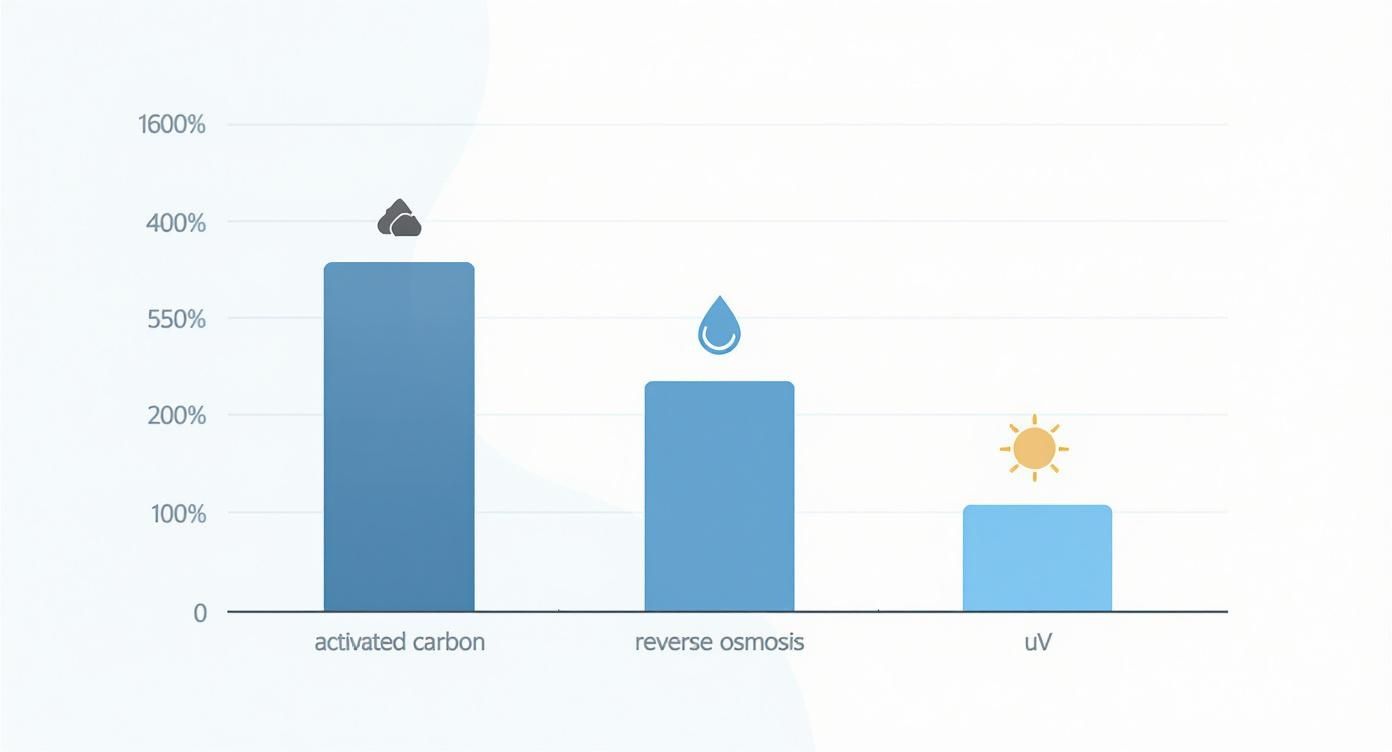
As you can see, Reverse Osmosis is the heavy hitter, tackling the widest range of contaminants. Activated Carbon is fantastic for improving taste and smell, while UV is the specialist for zapping germs. Now, let’s see how these are used in the real world.
To give you a clearer picture, here’s a direct comparison of the top 5 home water filter types. This table breaks down everything from cost to performance, helping you match a system to your specific needs and budget.
Side-by-Side Water Filter System Analysis
| Filter System Type | Best For | Average Initial Cost | Annual Maintenance Cost | Key Contaminants Removed | Impact on Water Flow |
|---|---|---|---|---|---|
| Whole-House | Treating all water for general issues like chlorine & sediment. | $500 – $3,000+ | $100 – $300 | Chlorine, sediment, hard water minerals, some VOCs. | Minimal to none. |
| Under-Sink | Highest purity drinking & cooking water at the kitchen tap. | $150 – $600 | $80 – $200 | Lead, arsenic, fluoride, nitrates, TDS, viruses. | None on main faucet; dedicated faucet has slower flow. |
| Faucet Filter | Renters or anyone needing a simple, low-cost taste improvement. | $20 – $50 | $40 – $80 | Chlorine, some lead, and particulates. | Noticeable reduction in flow rate. |
| Countertop | Better performance than a faucet filter without installation. | $50 – $200 | $60 – $120 | Chlorine, lead, VOCs, cysts, and sometimes fluoride. | Can be slow; filters one batch at a time. |
| Shower Filter | Reducing skin/hair irritation from chlorine in municipal water. | $25 – $75 | $30 – $60 | Chlorine and chloramines. | Negligible. |
This table lays out the fundamental trade-offs. Now, let’s get into the specifics of what makes each of these systems tick and who they’re really for.
Whole-House Systems: The Complete Home Solution
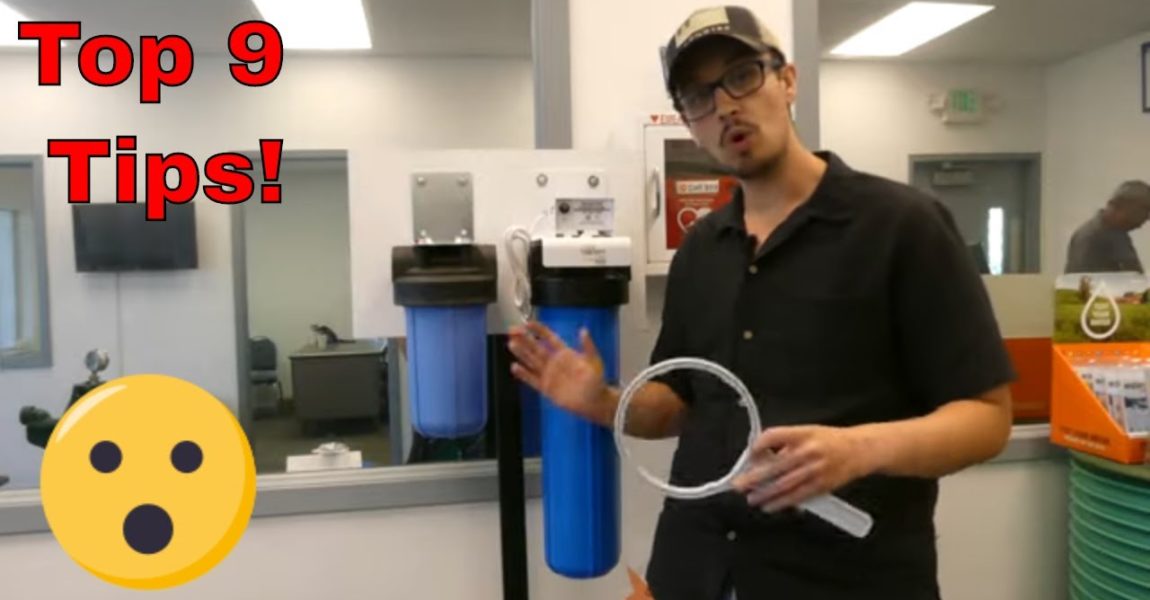
A whole-house water filter is the big gun. Also known as a point-of-entry (POE) system, it’s installed right where your main water line comes into the house. From that point on, every single drop of water is treated—kitchen, bathrooms, laundry, you name it.
This is the system you want if you have a problem that affects your entire home. Think hard water minerals clogging your pipes and ruining appliances, or high chlorine levels that make your skin itch after a shower. A whole-house filter is your single line of defense against these widespread issues.
The catch? It's a real investment. These systems can cost anywhere from a few hundred to several thousand dollars, and you’ll almost certainly need a plumber to install it. But the long-term payoff is huge, protecting your home’s plumbing and expensive appliances from damage.
Under-Sink Systems: Precision Purity for Drinking Water
If a whole-house filter is a shotgun, an under-sink system is a sniper rifle. As a point-of-use (POU) filter, it’s all about delivering exceptionally pure water right where you need it most: the kitchen sink. Tucked away under the counter, these systems feed a special, dedicated faucet for pristine drinking and cooking water.
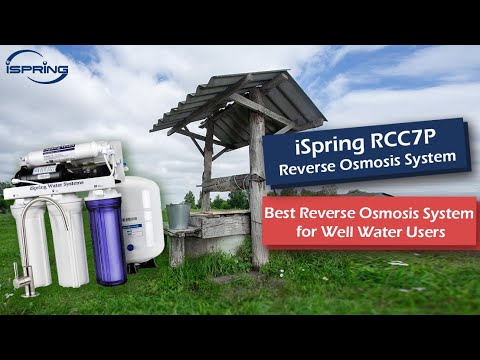
This is where the most powerful filtration tech, like Reverse Osmosis (RO), really gets to work. A good RO unit can strip out up to 99% of all dissolved solids, including nasty stuff like lead, fluoride, arsenic, and nitrates that simpler filters can’t touch.
Key Differentiator: The real difference is scope versus intensity. A whole-house system gives you good water everywhere. An under-sink system gives you perfect water in one place.
Many handy homeowners can tackle the installation, but a plumber is always a safe bet. The main things to budget for are the upfront cost of the unit and the ongoing replacement of the various filter cartridges and the RO membrane.
Faucet and Countertop Filters: Convenience and Simplicity
For anyone who wants better water right now without a big project, faucet and countertop filters are the answer. A faucet filter is exactly what it sounds like—it screws directly onto your kitchen tap. A little lever lets you switch between filtered and regular tap water on the fly.
They are dirt-cheap, take seconds to install, and mostly rely on activated carbon to get rid of that chlorine taste and smell. The downside is that they don’t filter a whole lot else, and they will slow down the water flow from your tap.
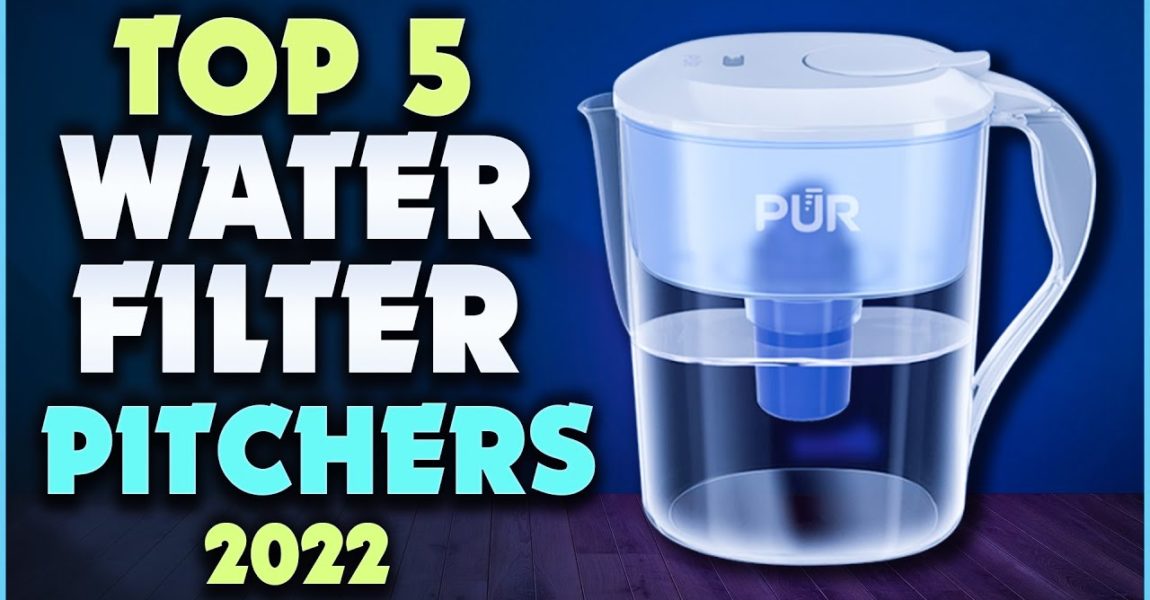
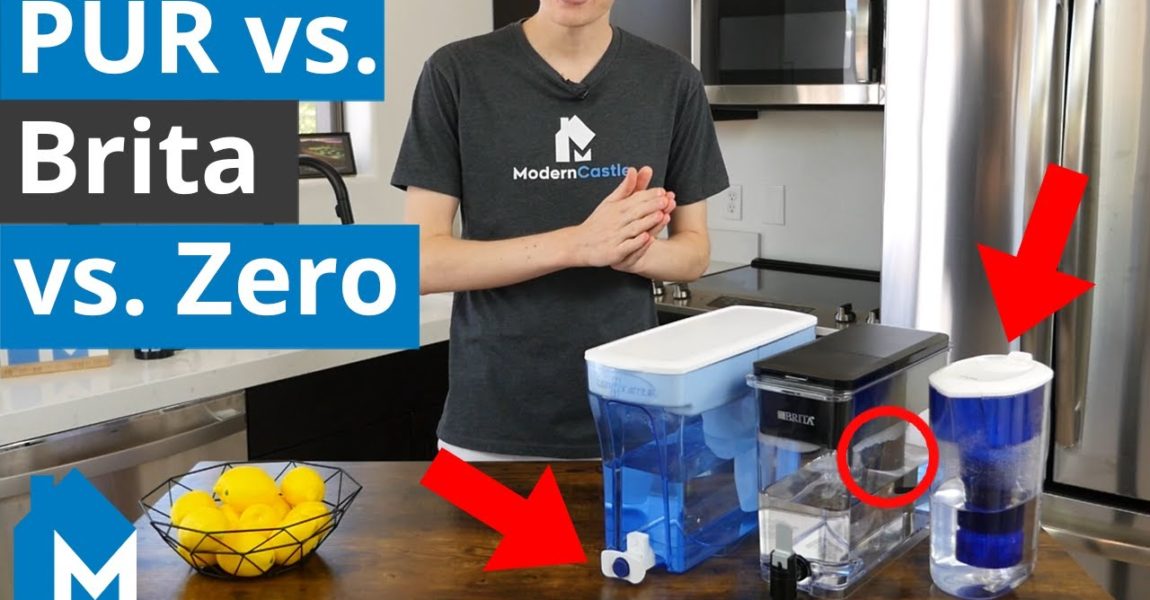
A countertop filter is a nice step up. It sits on your counter and connects to the faucet with a small tube, giving it room for bigger, more effective carbon block filters. This means it can remove more contaminants and the filters last longer than the little faucet-mounted ones. Both are perfect for renters or anyone on a budget.
Shower Filters: Targeted Treatment for Skin and Hair
A shower filter is one of those small upgrades that makes a huge difference. You might not think about filtering your shower water, but it can be a game-changer. It simply screws on between the shower arm and your showerhead and gets to work on one major culprit: chlorine.
Chlorine and its cousin, chloramine, are great for disinfecting city water but terrible for your body. They strip the natural oils from your skin and hair, leaving you feeling dry, itchy, and frizzy. A simple shower filter removes those chemicals at the source.
They're cheap, you can install one in two minutes, and they’re an absolute must if your city’s water has a strong chemical smell. It won't make your water drinkable, but it will make your daily shower a whole lot more pleasant.
Which Water Filter Is Right for Your Home?
Getting a handle on the technology is the first step, but the real confidence comes from knowing how it fits into your day-to-day life. The "best" water filter isn't always the one with the most bells and whistles or the highest price tag; it's the one that directly solves your water problems.
Let's walk through a few common situations. This isn't just a generic water filter system comparison—it's about connecting the dots between features and real-world needs. Every home is different, from the age of its pipes to where the water comes from. See if you recognize your own situation in one of these profiles.
For the Family in an Older Home
You've fallen for a charming house built back in the 1960s. It has character for days, but you can't help but worry about the decades-old plumbing. The risk of lead from old pipes or solder is a serious concern, especially with kids in the house. Your main goal? Maximum purity for every glass of water and every pot of pasta.
The Solution: An Under-Sink Reverse Osmosis (RO) System.
This is your ace in the hole. An under-sink RO system is a targeted powerhouse, installed right under the kitchen sink with its own dedicated faucet. It pushes water through a multi-stage process, and its specialized membrane is a beast when it comes to heavy metals, capable of reducing lead by over 95%.
Think of it as a surgical strike. Instead of treating every drop of water in the house for lead, you're creating exceptionally pure water right where you drink and cook. It delivers total peace of mind without the cost and complexity of a whole-home setup.
For the Apartment Renter
You're living in an apartment, which means tearing into the plumbing is a non-starter. You're over the swimming-pool taste of chlorinated city water but hate the waste (and cost) of buying bottled. What you need is an effective, non-permanent fix you can install in minutes and pack up when you move.
The Solution: A High-Quality Countertop or Faucet-Mounted Filter.
These systems are the definition of convenient. A faucet filter just screws onto your existing tap and gets to work immediately, using activated carbon to zap that chlorine taste and smell. A countertop model is a slight step up, often with bigger carbon block filters that can also tackle things like lead and certain VOCs, all without a single permanent modification.
For the Household on Well Water
Your water comes from a private well, so you're the one in charge of quality control. A recent test showed some sediment, a bit of iron, and the dreaded presence of coliform bacteria. You need a full-on defense system to make your water safe and pleasant for everything from showering to laundry.
The Solution: A Multi-Stage Whole-House System with UV Sterilization.
This situation calls for the big guns—a point-of-entry system that treats water as it comes into your home. A solid setup would look like this:
- A Sediment Pre-Filter: The first line of defense, catching all the sand, silt, and gunk to protect the other filters from getting clogged.
- A Carbon or KDF Filter: This stage tackles the iron that causes staining and gets rid of any weird tastes or smells.
- A UV Purifier: This is the game-changer. UV light zaps bacteria and viruses, making them harmless without adding a single chemical to your water.
Together, these components ensure that every tap in your house delivers water that’s clear, clean, and biologically safe.
For the New Parents
With a newborn at home, your priorities have shifted. Making sure the water for baby formula is absolutely pristine is at the top of the list. You want the highest level of contaminant removal possible to protect a tiny, developing immune system from fluoride, nitrates, and other dissolved solids that basic filters just don't touch.
The Solution: An NSF/ANSI 58 Certified Under-Sink RO System.
We're back to the RO system, but this time with a laser focus on certification. A system that's been certified to NSF/ANSI 58 has been rigorously tested by a third party to prove it can reduce a huge list of contaminants. This standard is your guarantee that the water going into that baby bottle is as pure as it gets, removing up to 99% of total dissolved solids (TDS).
How to Read Filter Certifications and Performance Data
When you're trying to compare water filter systems, the technical sheet can look like it's written in a foreign language. But getting a handle on certifications and performance data is your best weapon against marketing hype. It lets you see what a product can really do.
This is the line between buying a filter that just claims it works and one that's actually proven to protect your family.
Third-party certifications are your non-negotiable seal of approval. The big name you want to see is the NSF (National Sanitation Foundation). They're an independent group that tests and verifies the claims companies make. If you see an NSF/ANSI certification, it means a filter went through some serious testing to prove it gets specific contaminants down to safe levels.
With the global water filter market projected to hit a staggering $84.2 billion by 2032, it's clear more people are taking their water quality seriously. You can dive deeper into this market growth data to see just why certified performance is so crucial today.
Decoding the Most Common NSF Standards
Not all NSF certifications are created equal. Each one targets a different job, so you need to match the standard to your specific water concerns.
Here are the three you’ll see pop up most often on home systems:
- NSF/ANSI 42 (Aesthetic Effects): Think of this as the "taste and odor" certification. It proves a filter can reduce things like chlorine that make your water taste or smell funky. It's all about improving the general experience of drinking your tap water.
- NSF/ANSI 53 (Health Effects): This one is a much bigger deal. This standard certifies a filter can remove contaminants with known health risks—we’re talking lead, mercury, asbestos, and nasty parasites like Giardia. If safety is your top priority, this is the certification you need to look for.
- NSF/ANSI 58 (Reverse Osmosis Systems): This is the gold standard for RO units. It confirms the system can drastically reduce a whole laundry list of total dissolved solids (TDS), including tough stuff like nitrates, fluoride, and arsenic.
A filter might be certified for just one of these standards, or it could be certified for all three. Always dig into the details to see the specific contaminants a filter is proven to reduce. One certification doesn't mean it removes everything in that category.
Interpreting Key Performance Metrics
Beyond the official stamps of approval, the performance data sheet gives you the real-world rundown of how a filter will work in your home day-to-day.
Keep an eye out for these key numbers:
- Micron Rating: This tells you the size of the pores in the filter material. It's simple: a smaller micron rating catches smaller particles. A 1-micron filter is going to block a lot more than a 5-micron filter.
- Filter Lifespan (Gallons): This is the number that tells you how much water a filter can clean before you have to swap it out. It’s absolutely essential for figuring out your long-term costs.
- Flow Rate (GPM): Measured in gallons per minute, this shows how fast water can move through the filter. A low GPM might be fine for an under-sink system, but in a whole-house filter, it could mean a frustrating drop in water pressure every time you turn on the shower.
Making a Confident Final Decision
Alright, you’ve explored the tech, compared the different systems, and figured out what all those certifications actually mean. Now it’s time to put it all together and pick the right water filtration system for your home, with total confidence.
The final choice really boils down to a clear-eyed look at your main goal, your budget, and what your home actually needs. This isn't just about bells and whistles; it’s about finding a solution you can stick with that fits your real life. You’re essentially balancing the trade-off between all-out, whole-house protection and getting targeted purity right where you need it most.
Are you trying to solve a widespread problem like hard water scale wrecking your appliances, or do you just want perfectly clean drinking water from the kitchen tap?
Your Decision-Making Framework
To get from research to action, just think through these three critical points. Answering them honestly will point you straight to the perfect system for your family.
-
What’s Your #1 Goal? What's the biggest water problem you're trying to fix?
- Bad Taste and Odor: A simple activated carbon filter—whether it’s on your faucet, a countertop pitcher, or under the sink—will usually knock this out.
- Health Contaminants: If you’re worried about things like lead, you need a system with NSF/ANSI 53 certification. That often means an under-sink reverse osmosis (RO) unit.
- Appliance Protection: A whole-house system is the only real way to stop hard water scale and sediment buildup everywhere from your water heater to your dishwasher.
-
What’s Your Real Budget? You have to look past the sticker price. A system that’s cheap to buy but needs expensive filters every few months might cost you more in the long run than a pricier, more durable unit. Always calculate the total cost of ownership, including filter replacements for at least three years.
-
How Handy Are You? Be honest about your DIY skills. Faucet filters are a snap to install, but a whole-house system is a job for a professional plumber. Make sure you factor that potential installation cost into your budget.
The sweet spot is where effectiveness, affordability, and convenience all meet. A super-powerful system that’s a pain to maintain is useless if you end up neglecting it. A simpler one you can easily keep up with will serve you much better.
This push for better water is a massive global trend. Just look at the Asia-Pacific water purifier market—it was valued at USD 14.10 billion in 2024 and is projected to more than double by 2034. You can read more about these global water quality trends to see how growing awareness is pushing the industry forward.
By taking a structured approach, you can make sure your investment is a perfect match for your family's health and practical needs for years to come.
A Few Common Questions About Home Water Filters
Once you start digging into the specs and comparing systems, a few questions almost always pop up. It's one thing to pick a filter, but it's another to know what it’s actually like to live with. Let's clear up some of the most common things people ask when they're about to buy.
These are the practical, day-to-day details that will help you feel confident in whatever system you choose.
How Often Do I Really Need to Change My Water Filters?
This is probably the biggest variable you'll deal with, and it really comes down to the type of filter and how much water your family uses. As a general rule, simple pitcher and faucet filters need a new cartridge every 2-3 months.
Step up to a more serious under-sink carbon filter, and you're looking at a 6-12 month lifespan. Whole-house sediment filters, which are your first line of defense against gunk, usually need to be swapped every 3-6 months. The marathon runners are reverse osmosis membranes—those can last anywhere from 2-5 years. Just be sure to follow the manufacturer's schedule. An old, clogged filter isn't just ineffective; it can become a breeding ground for bacteria.
Will a Water Filter Wreck My Home's Water Pressure?
It's a great question, and the honest answer is: it can, but it depends. A simple faucet or countertop filter will only slow down the flow right at that one tap, and it’s usually not enough to be annoying.
An under-sink system might cause a slight drop at its dedicated faucet, but again, you’re not using that to fill a bathtub, so it’s rarely an issue. The real potential for a pressure drop comes from a whole-house system. If you get one that’s too small for your home's plumbing, you'll definitely notice it. This is exactly why getting a pro to help you size and install those big units is so important.
The bottom line is that a properly sized system shouldn't cause a frustrating drop in pressure. As long as the filter's flow rate (measured in GPM) matches your household's needs, you'll hardly notice it's there.
Is Bottled Water Just a Better, Safer Option?
It's easy to think so with all the marketing, but bottled water isn't automatically the gold standard. The quality can be all over the place, and the regulations aren't always as strict as you’d think. With a good home filter, you are in control of your water quality.
Besides, filtering your own water at home is way cheaper and better for the planet. You stop paying for and throwing away all that single-use plastic. A certified home filter is just a smarter choice for your wallet and the environment in the long run.
Can I Install a Water Filtration System Myself?
That all depends on the filter you buy and how comfortable you are with a little plumbing work.
- No Tools Needed: Pitchers and countertop units are good to go right out of the box.
- Super Easy DIY: Faucet filters and most shower filters just screw right on. You can do it in minutes.
- Manageable DIY: A lot of under-sink systems are made for homeowners to install. They usually come with good instructions and push-to-connect fittings that make it pretty simple.
- Call a Pro: Whole-house systems are a different beast. You’re cutting into your home's main water line, and if you mess it up, you could be dealing with leaks or major pressure issues.
When in doubt, especially with a whole-house system, just hire a licensed plumber. It’s the safest bet.
Ready to find the perfect filter for your home? The expert guides and unbiased reviews at Water Filter Advisor break down everything you need to know to make a confident choice. Start your search for cleaner, safer water today at https://www.waterfilteradvisor.com.