Finding Your Perfect Home Water Filtration System: The Ultimate Guide
Let's be real: choosing the best home water filtration system feels a lot like trying to order a coffee in a café with a fifty-item menu. Do you want the pour-over, the cold brew, the reverse-osmosis-double-shot-latte? It's confusing! But relax. Finding the right system isn't about knowing all the jargon; it's about figuring out what you want from your water. For some, it’s a fortress-like whole-house system that guards every tap. For others, it's a specialized under-sink unit that turns kitchen water into liquid gold. The perfect fit is always a blend of power, price, and practicality for your home.
Your Guide to Choosing the Right Water Filter
Diving into the world of home water filters can make your head spin. You’ll hear terms like "reverse osmosis," "activated carbon," and "point-of-entry," and it’s tempting to just close the tab and grab another bottle of water. But let's cut through the noise. The mission is simple: make the water your family drinks, cooks with, and bathes in as pristine as possible.
This guide is your friendly translator. We're going to give you a clear roadmap to help you pick the system that's genuinely right for you. Think of this not as a chore, but as an upgrade to your home—an investment in your family's health and your own peace of mind.
Why This Decision Matters More Than Ever
Let's face it, we're all a little more obsessed with what's in our water these days, and for good reason. The global market for home water filtration was pegged at around USD 13.98 billion in 2024, and it's projected to rocket to nearly USD 37.54 billion by 2034. That explosive growth isn't just a trend; it's a sign that we're all becoming more aware of waterborne contaminants and demanding safer options right from our own taps. You can read more about the growth of the home water filtration market if you love digging into the data.
We'll break down everything you need to know, from the big-gun systems to the quick-and-easy fixes, so you can match the right filter to your specific water woes.
A Quick Comparison of Popular System Types
Before we get into the nitty-gritty, let's get a bird's-eye view. This table is your cheat sheet to the most common options, showing you at a glance what they do and where they live.
| System Type | Primary Coverage | Best For | Typical Installation |
|---|---|---|---|
| Whole-House | Every tap and appliance in the home | Comprehensive protection against chlorine, sediment, and chemicals | Professional installation at the main water line |
| Under-Sink | A single tap, usually the kitchen sink | Purifying drinking and cooking water with high precision | DIY or professional installation under the sink |
| Faucet-Mounted | A single faucet | Renters or those seeking an easy, temporary solution | Simple DIY installation directly on the faucet |
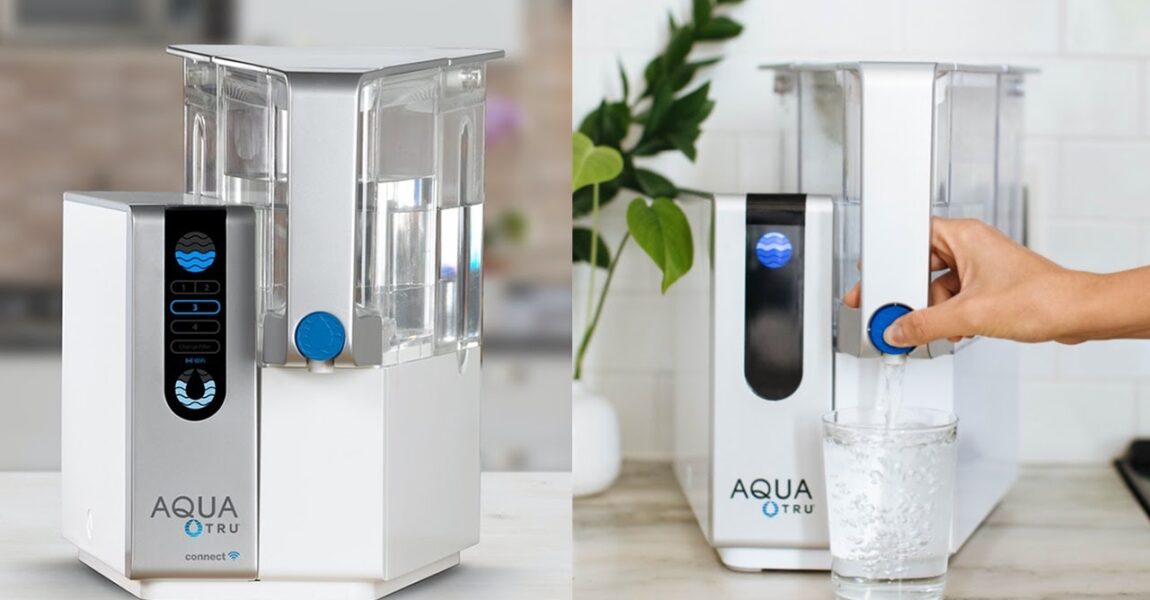
| Countertop | Dispensing purified water | Small households or individuals wanting a portable option | No installation; sits on the counter |
Once you see these categories, you can start to figure out which path makes sense for your home, your lifestyle, and your clean-water goals.
Comparing Home Water Filtration System Types
Figuring out the best water filter for your home really comes down to one question: where do you want to treat your water? Think of it like home security. You could install a massive system that guards every window and door, or you could put a single smart camera on the front porch. Both are effective, but they solve very different problems.
Each type of filter has a specific superpower. Your choice will likely depend on whether you own or rent, and if your main quest is simply better-tasting drinking water or protecting your entire home's plumbing from unseen villains. Let's meet the four main contenders.
Whole-House Systems: The All-Encompassing Guardian
A whole-house water filtration system is the big kahuna. Also known as a Point-of-Entry (POE) system, it’s the most comprehensive solution on the market. Installed right where your main water line enters your house, it acts as a bouncer, cleaning every drop of water before it gets inside. That means your kitchen faucet, showers, washing machine, and dishwasher all get the VIP treatment with filtered water.
This is the only setup that truly protects your plumbing and appliances from the crud—like sediment and chlorine—that can cause damage over time. For a homeowner, it’s a game-changer. You’ll get chlorine-free water for showers and baths (hello, softer skin and hair!), and you'll extend the life of your appliances by stopping scale and gunk before they can build up. It’s a long-term investment in your home’s health.
A huge, often overlooked benefit here is protecting your home's entire plumbing network. By catching sediment and chlorine at the source, a whole-house system stops the slow, steady corrosion and clogging that can lead to some seriously expensive repair bills down the road.
Under-Sink Systems: The Drinking Water Specialist
While a whole-house system is great for broad-spectrum defense, an under-sink water filter is a specialist, a sniper rifle aimed squarely at the water you drink and cook with. Tucked away in the cabinet under your kitchen sink, these systems use advanced technologies like reverse osmosis to deliver incredibly pure water right where it matters most.
These units tap into your cold water line and typically come with their own dedicated, elegant faucet. This is perfect for homeowners and renters who want to eliminate specific, hard-to-catch contaminants like lead, fluoride, pesticides, or pharmaceuticals from their drinking water, without wasting filter life on the water used to flush the toilet.
Here’s where an under-sink system really shines:
- For the Health-Conscious Family: A good reverse osmosis system can remove up to 99% of total dissolved solids (TDS). That’s about as pure as H₂O gets.
- For the Gourmet Cook: Filtered water makes everything taste better. Your morning coffee, evening tea, soups, and even pasta will have a cleaner, more vibrant flavor without the chemical aftertaste.
- For Apartment Dwellers: Many of these systems are surprisingly easy to install and, more importantly, uninstall, making them a practical, high-performance choice when you can't make permanent changes.
Countertop and Faucet-Mounted Filters: The Convenient Solvers
If you're looking for simplicity and a setup you can complete in the time it takes to make a cup of coffee, countertop filters and faucet-mounted filters are your heroes. These Point-of-Use (POU) systems are incredibly easy to install and are a fantastic choice for renters, dorm rooms, or anyone who can't (or doesn't want to) mess with their plumbing.
A faucet-mounted filter screws right onto your kitchen tap, and a little lever lets you switch between filtered and unfiltered water instantly. Countertop filters sit next to your sink, connecting with a small tube to filter water into their own dispenser. Both are champions at making tap water taste and smell better by kicking chlorine to the curb. Just know their capacity is smaller, and they won't remove as broad a range of contaminants as the bigger systems.
Still, their convenience and low upfront cost make them the best home water filtration system for individuals, college students, or small households with basic water quality concerns.
How Different Water Filtration Technologies Perform
Choosing the best home water filtration system is less about the box it comes in and more about the magic happening inside. Once you understand how different filtration methods work, you can match a system to the specific troublemakers in your water. Let's pull back the curtain on what these technologies actually do.
We'll look at the four major players in home water filtration: Activated Carbon, Reverse Osmosis (RO), UV Purification, and Ion Exchange. Each one is a specialist, designed to tackle a different set of challenges, from a funky chlorine taste to invisible microbial invaders.
This map gives you a quick visual on how different filters are categorized by where they go in your home.
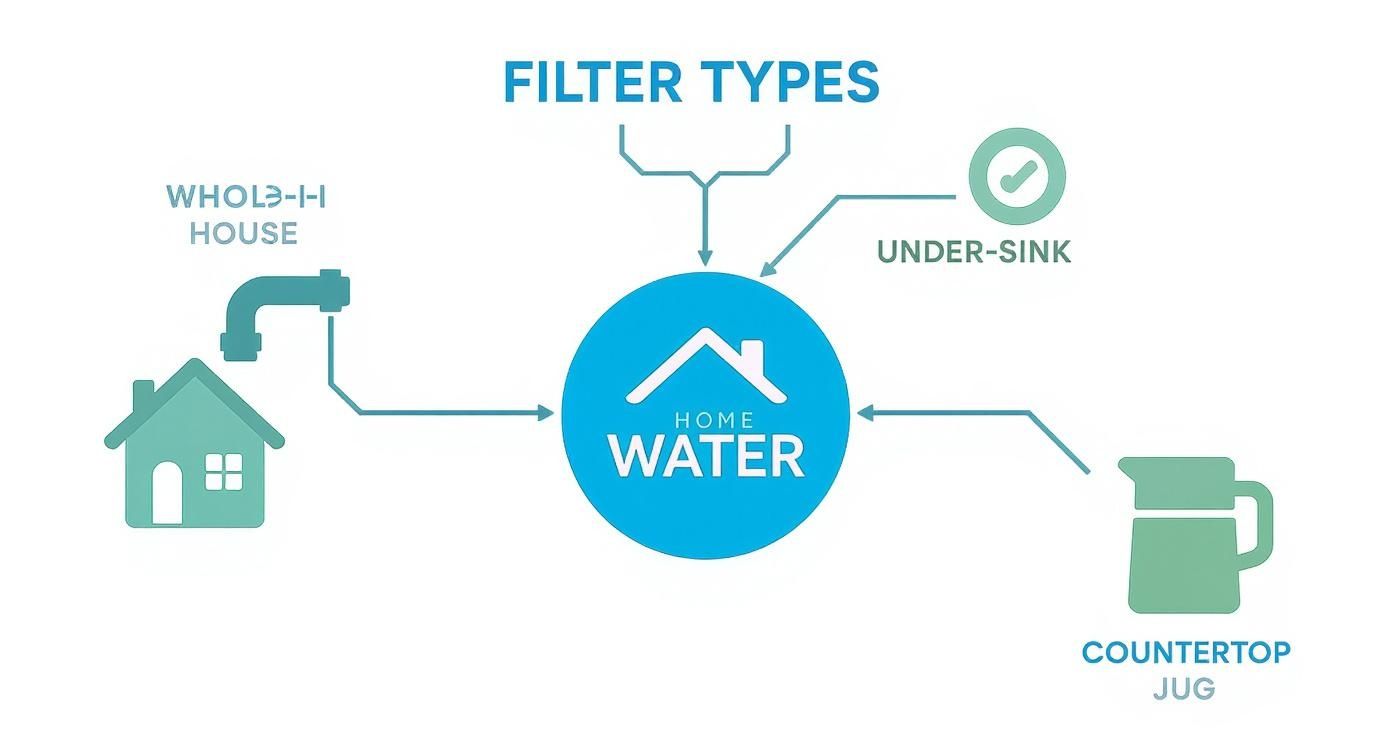
As you can see, the first decision is where you need filtration—the whole house, a single sink, or just a countertop pitcher. That choice starts to narrow down the technology you'll probably end up with.
Activated Carbon: The Workhorse for Taste and Odor
Activated carbon is the rockstar of the filter world, found in everything from simple pitchers to massive whole-house systems. It works like a chemical magnet. Its surface is covered in millions of microscopic pores, creating a huge surface area that traps organic compounds and chemicals like chlorine through a process called adsorption.
This is precisely why activated carbon filters are the undisputed champions at making municipal water taste and smell fantastic. They are brilliant at removing chlorine, chloramines, volatile organic compounds (VOCs), and some pesticides. For most people on city water, a good carbon filter is all it takes to turn funky tap water into something crisp and refreshing.
Just know its focus is specific. Activated carbon won’t touch heavy metals like lead, dissolved minerals, nitrates, or microorganisms. It's a targeted tool, not a cure-all.
Reverse Osmosis: The Purity Powerhouse
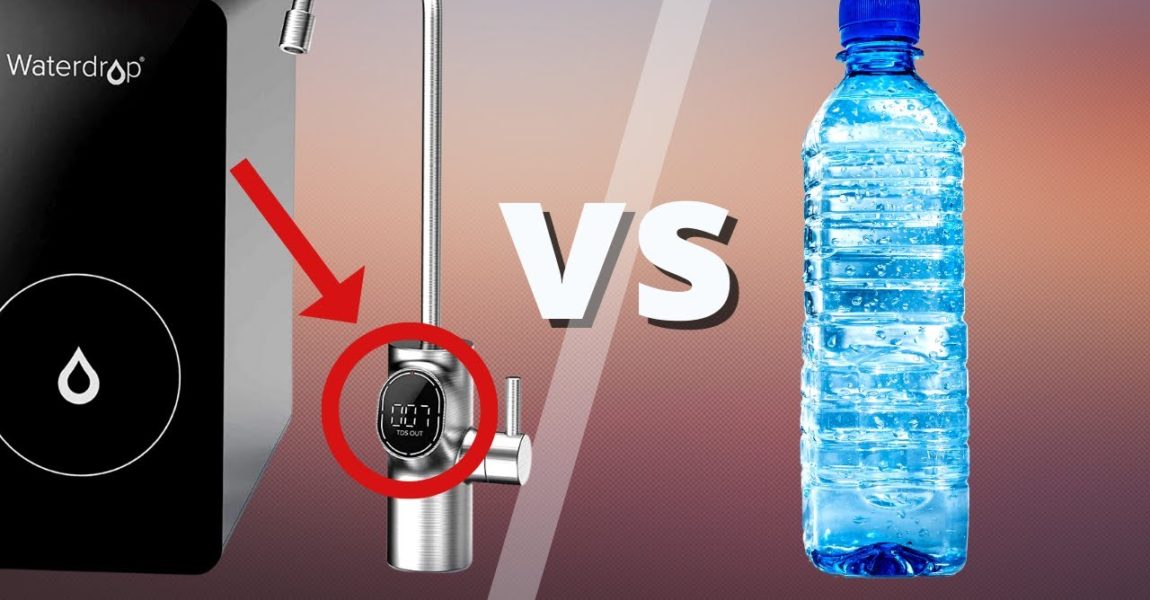
When you want water that is as pure as a mountain spring, Reverse Osmosis (RO) is the undisputed king. This technology uses household water pressure to force water through a semipermeable membrane with pores so tiny that almost nothing besides a water molecule can squeeze through.
RO systems are absolute beasts at removing a massive list of contaminants, including:
- Heavy metals like lead, arsenic, and mercury.
- Dissolved solids such as salts, fluoride, and nitrates.
- Even some viruses and bacteria.
This level of purification makes it the gold standard for drinking water. The market agrees; reverse osmosis systems claimed over a 38% revenue share in 2021 because they’re just that effective. UV systems also hold a big piece of the market, valued for their ability to neutralize pathogens. You can review the home water filtration unit market analysis for more data on these trends.
But this power comes with a trade-off. The RO process is slow and it produces wastewater—for every gallon of pure water, several gallons carrying the rejected contaminants are flushed away. It also strips out beneficial minerals like calcium and magnesium, which can affect the water’s taste and pH.
UV Purification: The Microbial Guardian
Unlike other methods that physically trap contaminants, UV Purification is a silent assassin. It zaps water with ultraviolet light, which scrambles the DNA of microorganisms like bacteria, viruses, and protozoa (think Giardia and Cryptosporidium). This renders them harmless, preventing them from reproducing and making you sick.
A UV purifier isn't a "filter" in the traditional sense, since it doesn't remove anything from the water. Its one and only job is to make water microbiologically safe. This makes it an absolute must-have for homes on well water, which isn't treated by a municipality and can be a breeding ground for nasty bugs.
It's critical to remember that UV systems always need a pre-filter, usually for sediment. UV light can only work its magic in clear water; any murkiness can act like a shield, protecting pathogens from the purifying light. It has zero effect on chemicals, heavy metals, or chlorine.
Ion Exchange: The Hard Water Specialist
Ever seen that chalky white limescale on your faucets or struggled to get a good lather from your soap? You've met hard water. Ion Exchange is the technology built to solve that exact problem and is the science behind traditional water softeners.
The system uses a bed of resin beads charged with sodium (or sometimes potassium) ions. As hard water flows through, the beads grab onto the hardness minerals—calcium and magnesium—and release the sodium ions in their place. This "exchange" effectively softens the water, saving your plumbing and appliances from scale buildup.
Some specialized ion exchange resins can also target other contaminants like nitrates or even heavy metals. But like UV, it’s a highly specific tool. It won't remove chlorine, sediment, or bacteria, so it’s usually part of a larger system, not a standalone solution for drinking water.
To help you sort through it all, here's a quick breakdown of how each technology stacks up against common water issues.
Filtration Technology Performance Matrix
| Technology | Removes Chlorine & Odor | Removes Lead & Heavy Metals | Removes Bacteria & Viruses | Average Annual Cost | Best For |
|---|---|---|---|---|---|
| Activated Carbon | Excellent | Poor | No | $50 – $200 | Improving the taste and smell of city water. |
| Reverse Osmosis | Excellent | Excellent | Good | $150 – $300 | Maximum purity for drinking water, removing a wide range of contaminants. |
| UV Purification | No | No | Excellent | $100 – $150 | Disinfecting well water or ensuring microbiological safety. |
| Ion Exchange | No | Some (Specialized) | No | $200 – $400+ | Softening hard water to prevent scale buildup and protect appliances. |
At the end of the day, the best home water filtration system is often a combination of these technologies, custom-built to tackle the unique chemistry of your home's water.
Finding a Filter for Your Unique Household Needs

Sure, the technical specs on a water filter box are a good start, but they don't tell the whole story. The best filter is the one that solves your problems and fits into your life without a fuss. A powerful whole-house system is overkill for a solo renter, while a simple pitcher just won't cut it for a large family on well water.
Let's walk through a few real-world scenarios to see how to match the right technology to the right home.
The Renter in a City Apartment
Picture this: you're in a downtown apartment. You can't touch the plumbing, but you're tired of that swimming-pool taste in your tap water and the endless parade of plastic water bottles. Your mission is simple: get better-tasting water for drinking and cooking, no plumber required.
In this scenario, a non-permanent, point-of-use (POU) system is the hero. Your best bets are:
- A High-Quality Water Pitcher: The easiest fix of all. A pitcher with a solid activated carbon filter will zap that chlorine taste and smell almost instantly.
- A Faucet-Mounted Filter: This gives you filtered water on demand, right from the tap. It screws on in minutes and comes off just as easily when you move.
- A Countertop Reverse Osmosis System: If you’re worried about more than just taste—like lead from the building's old pipes—a countertop RO unit brings serious purification power without any installation headaches.
The name of the game here is convenience. These options require zero permanent changes and deliver immediate results where you need them most: the kitchen.
The Health-Focused Family with Young Children
Now, let's imagine a family in a suburban home with young kids. Safety is their top priority. They’ve seen their local water quality report and are concerned about potential lead from aging city pipes, industrial chemicals like PFAS, and disinfection byproducts.
This family needs a serious line of defense for their drinking water. The clear winner is an under-sink reverse osmosis (RO) system. An RO system is a purification powerhouse, capable of removing up to 99% of all dissolved solids from your water.
This technology is a champion at targeting contaminants like:
- Lead and other heavy metals
- PFAS "forever chemicals"
- Chlorine and chloramines
- Nitrates and fluoride
By putting an RO system under the kitchen sink, this family gets peace of mind. They know every glass of water, every baby bottle, and every pot of pasta is made with truly purified water. It's targeted, high-level protection without the cost of treating every drop in the house.
If you're already planning some work, keep in mind that a big project like an ultimate kitchen remodel checklist is the perfect time to integrate an under-sink system. Planning for it during a renovation makes the installation seamless.
The Rural Homeowner on Well Water
Finally, let’s head out to the country to a home on a private well. Unlike city water, well water is untreated. It can come with a whole menu of surprises depending on the local geology—sediment, hard water minerals, iron that leaves ugly orange stains, and even bacteria or viruses.
For this homeowner, a single filter won't do the job. The best solution is a customized, multi-stage whole-house (point-of-entry) system designed to tackle the well's specific problems head-on.
A common setup for well water usually involves a few key stages:
- A Sediment Pre-Filter: This is the first line of defense, catching all the sand, dirt, and rust to protect the more delicate filters downstream.
- An Iron Filter or Water Softener: An iron filter gets rid of that metallic taste and prevents staining, while a softener tackles the calcium and magnesium that cause nasty limescale buildup.
- A Carbon Filter: This stage handles chemical contaminants, pesticides, and any lingering bad tastes or odors.
- A UV Purifier: This is the non-negotiable final step. An ultraviolet light zaps any bacteria, viruses, or other microorganisms, making the water safe to drink without adding chemicals like chlorine.
This layered strategy ensures that every single tap—from the kitchen sink to the shower—delivers clean, safe, and great-tasting water, protecting both the family's health and the home's plumbing.
What to Look For Before You Buy a Water Filter
So, you’re ready to get cleaner water. Fantastic! But it’s easy to get swayed by marketing hype. To find a system that actually delivers on its promises, you need to look past the flashy ads and focus on a few key details.
This is your final checkpoint. We'll walk through the essential questions to ask, making sure the filter you choose is a sound investment for your home and health.
The absolute first thing to look for is third-party certification. This isn't just a "nice to have"—it's proof that a filter actually works. Certifications from organizations like the NSF (National Sanitation Foundation) and ANSI (American National Standards Institute) mean the system has been independently tested to do what it claims.
Understanding Key Certifications
Not all certifications are created equal. They test for different contaminants, so knowing what they mean helps you find the right filter for your specific water problems.
- NSF/ANSI 42: Think of this as the "taste and smell" certification. It confirms a filter's ability to reduce aesthetic impurities like chlorine. If your goal is simply better-tasting tap water, this is a great standard to look for.
- NSF/ANSI 53: This one is all about health effects. It's a much tougher standard that verifies a filter can remove specific, harmful contaminants like lead, mercury, asbestos, and parasites like Cryptosporidium. If you have health concerns, this certification is non-negotiable.
- NSF/ANSI 58: This standard is specifically for reverse osmosis (RO) systems. It validates the system’s power to drastically reduce a long list of contaminants, including hard-to-remove ones like fluoride, nitrates, and heavy metals.
A filter without independent certification is just making a promise. An NSF/ANSI certified system has provided proof, giving you confidence that it will protect your family's health as advertised.
Flow Rate and Long-Term Costs
Beyond what a filter removes, you have to consider how it performs day-to-day. For whole-house systems, the flow rate—measured in gallons per minute (GPM)—is a huge deal. An undersized system will lead to a frustrating drop in water pressure whenever you try to shower and run the dishwasher at the same time.
Make sure the GPM rating of any whole-house system can handle your household's peak demand. A good rule of thumb is to estimate the flow rates of your major water-using appliances and fixtures.
Finally, think beyond the sticker price. The true cost of ownership includes the initial purchase, installation, and the ongoing expense of replacement filters. A cheap system with expensive, short-lived filters can end up costing you far more over time than a quality unit with longer-lasting filters. For more guidance on this, check out our collection of water filter advice.
Installation and Professional Help
The last piece of the puzzle is getting it installed. Faucet filters and countertop units are easy DIY jobs you can finish in minutes.
However, under-sink and whole-house systems often require cutting into your home’s plumbing. If that sounds intimidating, it's wise to budget for a professional. Understanding the scope of general plumbing services can help you find a qualified installer to get the job done right—no leaks, no hassle, just peace of mind.
Common Questions About Home Water Filtration
It’s normal to have a few final questions before choosing a new filter. Getting a handle on the day-to-day details is what makes the difference between a good purchase and a great one. Let's tackle some of the most common things people ask when choosing the best home water filtration system.
First, how do you even know what you’re trying to filter out? It’s simpler than you might think.
Your local water utility is required to publish an annual Consumer Confidence Report (CCR), or water quality report. A quick search on your town's website should bring it right up. This report gives you a detailed look at what contaminants were tested for and at what levels.
If your home uses a private well or you just want a more specific reading of the water coming from your pipes, grab an at-home water test kit. It's a great way to pinpoint issues like lead, bacteria, or hardness that a city-wide report might miss.
Do Water Filters Remove Healthy Minerals?
This is a fantastic question, and the answer depends entirely on the filtration technology.
Filters that rely on activated carbon—including most pitchers, faucet attachments, and many basic whole-house systems—are selective. They excel at grabbing chemicals like chlorine but typically let beneficial minerals like calcium and magnesium pass right through. You get cleaner water without sacrificing the good stuff.
A Reverse Osmosis (RO) system, on the other hand, is a purist. Its membrane is so fine that it strips out nearly everything, including those healthy minerals. While this produces incredibly pure water, many people add a remineralization filter to their RO setup to put those essential minerals back into the water for better taste and health benefits.
How Often Should I Change The Filter?
Sticking to the manufacturer's replacement schedule is non-negotiable. An old, clogged filter doesn't just stop working; it can become a breeding ground for bacteria and potentially dump all the contaminants it caught right back into your water.
Here’s a rough idea of what to expect:
- Faucet Filters: Every 2 to 3 months is typical.
- Under-Sink Carbon Filters: Plan on every 6 to 12 months.
- RO Membranes: These are the long-haul players, often lasting 2 years or more.
- Whole-House Sediment Filters: This depends heavily on your water quality, but a 3 to 6-month swap is common.
Always follow the official schedule for your specific model. It’s the only way to guarantee your system is working as certified and keeping your water consistently safe and delicious.
Ready to take the next step toward cleaner, safer water? The experts at Water Filter Advisor provide in-depth reviews, comparisons, and maintenance guides to help you make a confident choice. Visit us at https://www.waterfilteradvisor.com to find the perfect solution for your home.