Your Guide to Vanquishing Sediment in Well Water
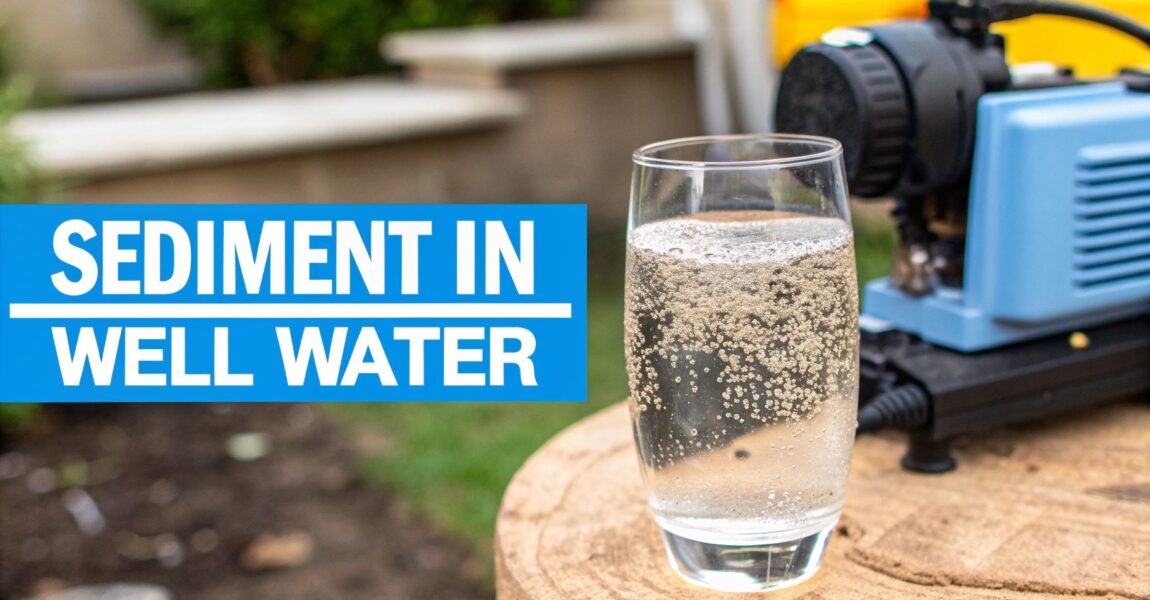
You pour a glass of water from your kitchen tap, hold it up to the light, and… there it is. Tiny particles doing a slow-motion dance—the tell-tale sign of sediment in your well water. It's an incredibly common issue for homeowners with wells, basically meaning bits of sand, silt, or clay have snuck into your plumbing. The good news? It's a completely winnable battle with the right filtration setup.
What Is This Gritty Stuff in My Well Water?
Ever noticed a gritty film at the bottom of a drinking glass after it sits for a while? Or found mysterious specks staining your freshly washed laundry? Congratulations, you've met sediment. At its heart, sediment is just a mix of natural, solid particles that get stirred up and hitch a ride in your water.
Think of your well as a giant straw sipping water from an underground aquifer. That aquifer is surrounded by layers of earth—sand, clay, rock, and silt. Heavy rain, a shifting water table, or even an aging well pump can shake these fine particles loose, pulling them right into your home's water supply.
Why You Should Actually Care About This Gritty Intruder
A little bit of grit might not seem like a big deal, but it’s a lot more than a visual annoyance. These tiny particles are the uninvited bullies of your plumbing system, acting like liquid sandpaper. They slowly wear down pipes, clog faucet aerators, and can absolutely wreck expensive appliances like your water heater, dishwasher, and washing machine. It’s a silent war that can cause serious financial damage over time.
And this isn't some rare occurrence. Sediment in well water is a widespread problem affecting millions, especially in areas not hooked up to a municipal water system. The United Nations World Water Development Report noted that in 2022, over 3.5 billion people relied on water sources outside of safely managed systems, and a huge number of them depend on wells. You can learn more about this global water challenge on UNESCO's site.
The most important thing to know is that you don't have to live with it. A good whole-house water filtration system acts like a bouncer at the club, stopping these unwelcome particles before they ever enter your home and wreak havoc.
Filtration: Your Ultimate Weapon Against Grit
Instead of constantly cleaning out clogged faucets or watching your appliances die a slow, painful death, a whole-house filtration system provides a real, permanent answer. By installing a filter right where your main water line enters your home, you guarantee that every single tap—from the kitchen sink to the shower—delivers clean, clear water.
Here’s what a dedicated filtration system brings to the party:
- Crystal-Clear Water, Instantly: It gets rid of that cloudy, murky look and all the visible specks, giving you pristine water for drinking, cooking, and bathing.
- Protection for Your Fortress: By catching all that abrasive sediment, it prevents clogs and helps your valuable appliances live long, prosperous lives.
- Total Peace of Mind: There's a special kind of confidence in knowing your water is clean and free of suspended gunk every time you turn on the faucet.
At the end of the day, tackling sediment in well water is all about taking back control of your home’s most vital resource. With the right filter, you can make that cloudy, gritty water a distant memory.
Decoding the Sediment in Your Water
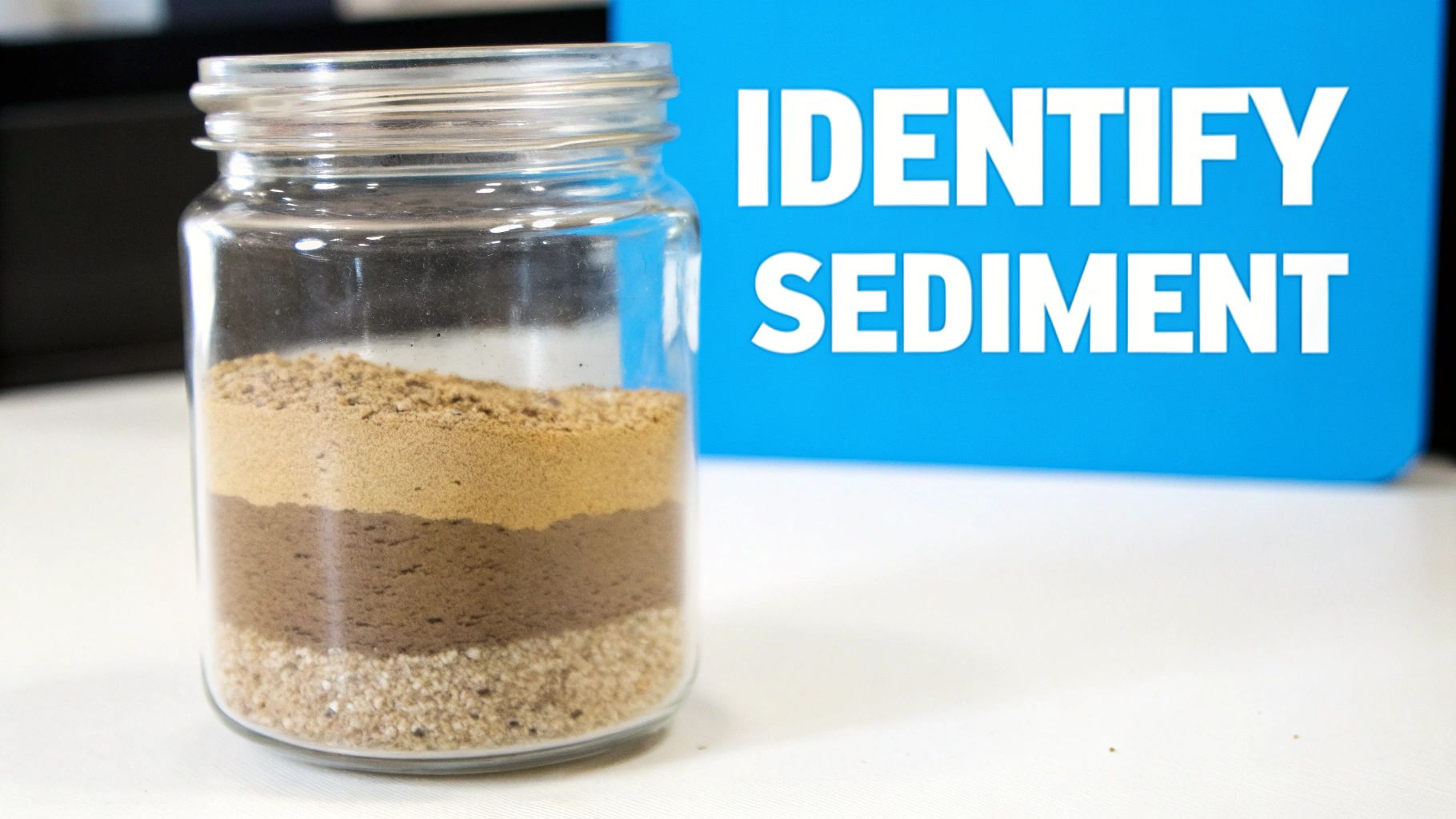
Not all sediment is created equal, and the first step to clear water is figuring out exactly what you're dealing with. Think of yourself as a water detective. The clues are floating right there in your glass, and knowing what they mean is critical for choosing the right filter.
It’s like using the right tool for the job. You wouldn't use a spaghetti colander to strain coffee grounds, right? The same logic applies here—a filter designed for coarse sand won't do a thing against ultra-fine clay. This is where a little hands-on diagnosis pays off big time.
The Simple Jar Test: Your Secret Weapon
You don’t need a fancy lab to get started. Your best diagnostic tool is probably already in your kitchen cabinet: a plain, clear glass jar. This ridiculously easy test will tell you a surprising amount about the sediment in your well water.
Here’s your mission, should you choose to accept it:
- Collect Your Evidence: Grab a large, clear jar and fill it with cold water. Use a faucet that doesn’t have an aerator, like an outdoor spigot or your bathtub tap, to make sure you get a raw, unfiltered sample.
- Let It Chill: Put the jar on a counter or shelf where it won’t be disturbed. Now, just leave it alone for at least 24 hours. Patience, detective.
- Observe the Results: Take a look at what happened. How fast did the particles fall? What do the layers look like after they’ve settled at the bottom?
The way the particles separate tells a story. Heavy, coarse sand will drop to the bottom in just a few minutes, while fine silt might take a few hours. The absolute finest clay particles can stay suspended, keeping your water cloudy for a full day or even longer.
This simple observation is your cheat code for picking the right filtration system. Heavier gunk is easy to trap, but those tiny suspended particles require a much finer filter to get the job done.
Identifying the Common Culprits
Once your jar test is done, you can compare the layers at the bottom to figure out what’s floating around in your pipes. Here's a quick field guide to help you identify the usual suspects.
Common Well Water Sediment Types and Indicators
| Sediment Type | Appearance in Water | Feel | Potential Cause |
|---|---|---|---|
| Sand or Grit | Heavy particles that settle instantly | Coarse, gritty texture | Failing well screen, pump set too low |
| Silt | Muddy, cloudy, or murky water | Soft, flour-like powder when dry | Runoff, well construction issues |
| Clay | Water stays cloudy for 24+ hours | Very fine, almost sticky powder | Surface water infiltration, very fine earth |
| Rust / Iron | Red, orange, or brown flakes | Flaky or gritty | Aging iron pipes, high iron in groundwater |
Knowing what you’re up against is half the battle.
Is it coarse sand? Or is it fine, suspended silt that just won't settle? The answer directly points to the type of filter you’ll need. Without this step, you’re just guessing, and that can lead to buying the wrong equipment and wasting a pile of money.
How Sediment Damages Your Home (And Maybe You)
You might not think much of those tiny particles swirling in your well water, but they're waging a slow, costly war on your home's plumbing and appliances. It's helpful to think of sediment as liquid sandpaper, constantly grinding away inside every pipe. This nonstop abrasive action is the start of a whole cascade of expensive problems.
This gritty flow gradually wears down everything from pipe fittings and faucet seals to valve seats. The result? Drips and leaks that can lead to serious water damage over time. Your water-using appliances, however, are on the front lines, taking the worst of the assault.
The Slow, Silent Appliance Killer
Sediment is the secret enemy of your home's hardest-working machines. It sneaks into tiny passages, builds up in tanks, and grinds away at delicate components, dramatically shortening their lifespan. You’ll find yourself facing more frequent repairs or, even worse, having to replace an expensive appliance far too soon.
The most common appliance casualties include:
- Water Heaters: Sediment loves to settle at the bottom of the tank, forming a thick, insulating layer. This forces the heating element to work overtime just to heat your water, which spikes your energy bills and eventually burns out the element. In tankless heaters, it’s even worse—it can clog the heat exchanger and cause a total system failure.
- Washing Machines and Dishwashers: Those little inlet valve screens get clogged with tiny particles, restricting water flow and triggering error codes. Over time, that same grit can destroy the water pump and leave a nasty, gritty film all over your clothes and dishes.
- Faucets and Showerheads: The fine mesh screens (aerators) in your faucets and showerheads are magnets for sand and silt. This blockage is exactly why you end up with sputtering fixtures and a frustrating loss of water pressure.
When the staining and clogging from well water sediment gets bad enough, some homeowners find they need to look at major improvements like these sink and faucet upgrades just to get things working properly again.
Health Concerns Hiding in the Haze
Beyond the mechanical damage, sediment in well water can hide some real health concerns. While particles like sand, silt, and clay usually aren't toxic on their own, they create the perfect hiding spot for harmful microorganisms.
Think of a sediment particle as a tiny shield. It can protect dangerous bacteria, viruses, and protozoa from disinfectants like chlorine or UV light. This "shielding" effect means that even if you treat your water, nasty contaminants can survive by hiding behind the sediment.
This makes it incredibly difficult to know if your water is truly safe to drink. High turbidity—the technical term for cloudiness caused by suspended sediment—is often linked to a higher risk of gastrointestinal illnesses. The particles can also act like little sponges, soaking up and carrying contaminants like heavy metals or pesticides.
Ultimately, filtering out the sediment is a critical first step toward guaranteeing the safety and quality of your well water.
Choosing the Right Filtration System for Your Home
Alright, you've played detective with your water, seen what kind of gunk is floating around, and you know the damage it can cause. Now for the fun part: picking the right solution. It can feel like a lot to take in, but it really just boils down to matching the right filter to the type of sediment you have. You wouldn't use a tiny screwdriver on a massive bolt, right? Same idea here.
The goal is to get a whole-house sediment filter in place. This is a single unit that treats every drop of water coming into your home, protecting everything from your showerhead to your washing machine. Let's walk through the main options and break down how they work so you can feel confident you're making the right call.
Comparing Home Sediment Filtration Options
To make sense of the different technologies out there, it helps to see them side-by-side. Each type of filter has its own strengths and is designed to tackle a specific kind of sediment problem. This table lays out the most common choices to help you figure out what's best for your home, your water, and your budget.
| Filter Type | Best For | Micron Range | Maintenance | Upfront Cost |
|---|---|---|---|---|
| Spin-Down | Heavy, coarse sediment like sand and grit | 75 to 1,000 microns | Flush periodically (low) | Moderate to High |
| Cartridge | Fine particles like silt, clay, and rust | 1 to 100 microns | Replace cartridge regularly | Low to Moderate |
| Backwashing | Both fine and coarse sediment | 5 to 100 microns | Automatic (very low) | High |
Ultimately, the "best" filter is the one that directly addresses the type of sediment you discovered in your jar test. A spin-down is fantastic for "heavy" problems, while a cartridge filter is your go-to for clearing up that persistent cloudiness from fine particles.
Spin-Down Filters: The Centrifuge for Your Plumbing
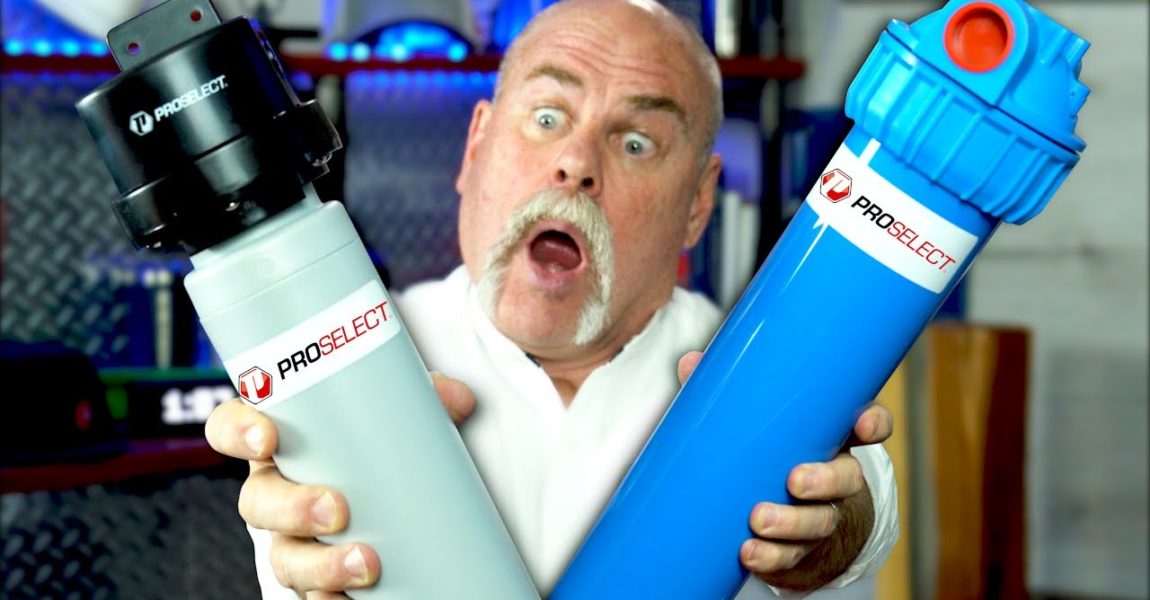
If your jar test showed a layer of sand or heavier grit at the bottom, a spin-down filter is probably your best first move. These things are pretty clever—they work like a mini centrifuge right in your plumbing line. Water zips into the filter and is forced into a rapid spin.
This spinning motion throws the heavier sediment particles to the outside wall of the filter housing, where gravity takes over and they settle at the bottom. The clean, sediment-free water then continues on its way into your house. The best part? Maintenance is incredibly simple. When you see gunk building up in the clear housing, you just open a valve at the bottom and flush it all out. No cartridges, no fuss.
A spin-down filter is a great choice if you have:
- Coarse sand or grit that settles out fast.
- A lot of large sediment that would absolutely destroy a normal cartridge filter in a week.
- The desire for a low-maintenance, reusable filter.
This diagram really drives home what happens when you let sediment problems go unchecked.
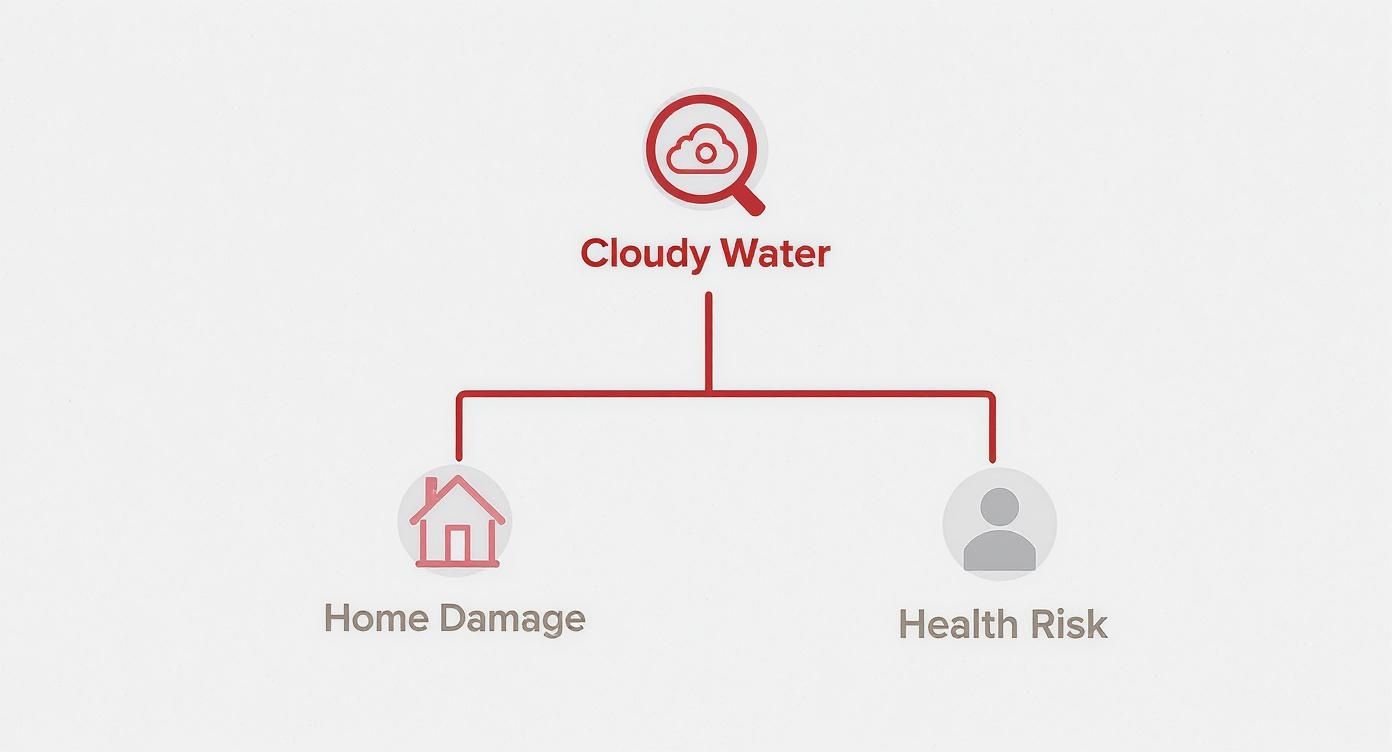
As you can see, what starts as cloudy water can quickly spiral into bigger issues for both your home and your health.
Cartridge Filters: The Microscopic Net
Now, if your water is murky with fine silt or clay that just seems to hang there forever, a cartridge filter is what you need. Think of these as a super-fine net. Water is pushed through a pleated or spun material that physically traps tiny particles, letting only the clean water get through.
The key to these filters is the micron rating. A micron is just a microscopic unit of measurement, and the rating on a filter tells you exactly how small of a particle it can catch.
A 100-micron filter is like a pasta strainer—great for catching big, obvious debris. But a 5-micron or 1-micron filter is more like an espresso filter, designed to grab the super-fine particles that make your water look hazy.
Getting the micron rating right is everything. For that fine silt you saw in your test, starting with a 20-micron or 5-micron filter is usually a sweet spot. It's fine enough to clear up the water but not so fine that it clogs up immediately and kills your water pressure.
Creating a Multi-Stage Filtration System
For a lot of well owners, the water has a mix of both heavy sand and fine silt. If that's you, a single filter might not cut it. The real pro move here is to combine filters into a multi-stage system. The most common and effective setup is putting a spin-down filter before a cartridge filter.
This one-two punch is incredibly effective:
- The Spin-Down (Pre-Filter): This first filter does all the heavy lifting, grabbing the sand and large grit.
- The Cartridge (Polishing Filter): Now that the big stuff is gone, this second filter can easily "polish" the water by trapping the fine silt and clay without getting overwhelmed.
Going this route will make your replacement cartridges last way, way longer, which saves you a ton of hassle and money over time. If you want to dive deeper into different filter setups, feel free to check out our other articles for more in-depth guidance at https://www.waterfilteradvisor.com/advice/.
And remember, your whole-house system is just one piece of the puzzle. Things like maintaining refrigerator water filters are also part of keeping clean water flowing everywhere. By matching the right filtration technology to the specific sediment in your well water, you can build a system that delivers perfectly clear water for years to come.
Installation, Maintenance, and Long-Term Costs
Picking the right filter is a huge step, but what you do next is just as crucial for keeping that water clear and clean for years. It's easy to focus on the upfront price, but thinking about the installation, ongoing upkeep, and the total cost of ownership is what really makes it a smart investment, not just a quick fix for the sediment in your well water.
Let's break down what you can really expect. This will help you budget your time and your money without any surprises down the road.
DIY vs. Professional Installation
First things first: are you going to install this yourself or call in a pro? There’s no single right answer, and it really depends on the filter’s complexity and how comfortable you are with plumbing.
For a lot of handy homeowners, putting in a simple cartridge or spin-down filter is a totally manageable weekend project. You'll likely need to cut into your main water line, fit some new connections, and mount the filter housing. If that sounds like something you can tackle, you could save a few hundred bucks on labor.
But when you get into more advanced systems like backwashing filters, things get tricky. These often involve wiring for the control valve and more complex plumbing. One wrong move could lead to leaks, a drop in water pressure, or a system that just doesn't work right. Hiring a licensed plumber, which usually runs between $300 and $800, buys you peace of mind. They'll get it done right and make sure everything is up to code.
Creating a Maintenance Playbook
Here's the secret to making your filter last: proper maintenance. If you ignore it, it’s like never changing the oil in your car—sooner or later, things are going to grind to a halt. A well-maintained filter doesn't just give you clear water; it protects your home's water pressure, too.
Your maintenance routine will look completely different depending on your filter type:
- Spin-Down Filters: These are the simplest. Just open the flush valve at the bottom to purge all the gunk it’s collected. If you have a really sandy well, you might do this weekly. For water with less debris, once a month might be fine.
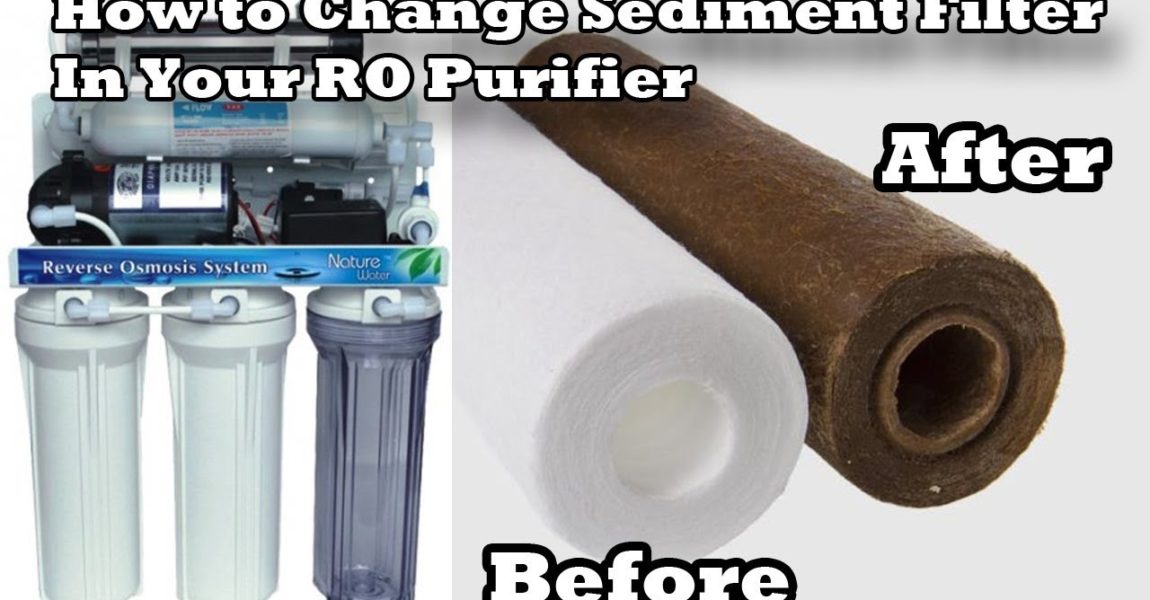
- Cartridge Filters: The name of the game here is replacing the filter cartridge. The classic tell-tale sign is a noticeable drop in your water pressure. For most homes, you'll be swapping these out every 1-3 months.
- Backwashing Filters: For the most part, these systems run on autopilot. The control valve will trigger a backwash cycle on its own to flush the media clean. Your only real job is making sure it has power and the drain line isn't blocked. The filter media inside can last a surprisingly long time—often 5 to 10 years—before it needs to be replaced.
Don't just guess when it's time for a filter change. Set a recurring reminder on your phone's calendar. It's a simple habit that protects your investment and keeps your system working like it should.
Understanding Long-Term Costs
When you’re budgeting, it’s critical to look past the sticker price. The true long-term cost is a mix of the initial purchase, the installation, and all the replacement parts you'll need over the years.
A basic cartridge filter system might only set you back $50-$150 to start, but those replacement filters ($20-$60 each) will add up over time. A spin-down filter costs a bit more upfront ($100-$300), but with a reusable screen, it has almost zero ongoing costs.
Backwashing systems carry the biggest initial price tag, often from $600 to over $1,500. But because they're automated and the media lasts for years, their long-term running costs are actually very low. For wells with stubborn, persistent sediment problems, they often end up being the most cost-effective choice. By weighing these factors, you can find the perfect solution for both your water and your wallet.
Your Questions About Well Water Sediment Answered
Figuring out the right filtration strategy can leave you with a few lingering questions. It's totally normal. Dealing with sediment in well water feels like a big job, so it’s smart to get all the facts straight first. Let's tackle some of the most common concerns homeowners run into.
We'll clear up the confusion so you can get the job done with confidence, knowing you’ve covered all the bases for crystal-clear water.
Will a Sediment Filter Reduce My Water Pressure?
This is the number one worry we hear, and for good reason—nobody wants to trade gritty water for a trickle of a shower. Here’s the short answer: a correctly sized and maintained sediment filter will not noticeably tank your water pressure.
Where people run into trouble is when a filter is too small for the home's flow rate, or the micron rating is way too fine for the kind of gunk in their water. Think about it like trying to drain a swimming pool through a coffee filter. It’s just not going to work, and you’ll get a major backup. The same principle applies when a filter gets clogged because it's the wrong type or it hasn't been changed on schedule.
Here’s how to keep your pressure up:
- Size it right: Make sure the filter's flow rate (gallons per minute, or GPM) matches what your household actually uses at peak times.
- Use a multi-stage approach: If you're dealing with a lot of sediment, a spin-down pre-filter is your best friend. It catches the big stuff before it ever gets to your finer cartridge filter.
- Stay on top of maintenance: The minute you notice the pressure dropping, it's time to change that cartridge or flush your system.
What Is the Difference Between a Sediment Filter and a Water Softener?
This is a classic mix-up, but they do completely different jobs. A good way to think about it is that a sediment filter is like a bouncer at a club, while a water softener is more like a chemist.
A sediment filter is a physical barrier. Its only job is to block and trap solid particles—sand, dirt, rust, and other debris. It grabs all the "floaties" to make your water clear.
A water softener, on the other hand, doesn't remove particles at all. It uses a chemical process called ion exchange to target dissolved minerals like calcium and magnesium that make water "hard." Sediment can actually wreck a water softener, which is why you always install a sediment filter before the softener in your water line.
One can't do the other's job. You need a sediment filter for cloudy, gritty water and a water softener if you're fighting hard water stains and scaly buildup.
How Do I Choose the Right Micron Rating?
Picking a micron rating sounds technical, but it doesn't have to be. Just follow this simple rule of thumb: start with a higher micron rating (which is less fine) and only go lower if you need to.
If you can see coarse sand in your water, a 100-micron spin-down filter might be all it takes to solve the problem. For that general cloudy look caused by silt or clay, a 20- to 30-micron cartridge is a fantastic starting point. Only move down to a 5-micron filter if the water still isn't clear enough.
Jumping straight to a super-fine 1-micron filter without any pre-filter is just asking for constant clogs and pressure problems.
Here at Water Filter Advisor, we're all about helping you find a practical solution that actually works for your home. Our detailed guides and honest reviews are designed to cut through the marketing noise, making it easier to choose a system that will deliver clean, safe water for your family. To build the right plan for your well, check out our resources at https://www.waterfilteradvisor.com.